Your Search Results

      • Trusted Partner
        Literature & Literary Studies
        June 2017

        Gothic writing 1750–1820

        A genealogy

        by Robert Miles

        Now available again in paperback, this provocative study by Robert Miles uses the tools of modern literary theory and criticism to analyse this very distinctive body of texts. Miles introduces the reader to contexts of Gothic in the eigteenth century including its historical development and its placement within the period's concerns with discourse and gender. By using texts ranging from sensational novels such as The Monk and The Mysteries of Udolpho, poetic variations on Gothic by Coleridge, Shelley and Keats, to satirical works on the theme by Jane Austen, Miles presents an intriguing overview of Gothic literature. By drawing extensively on the ideas of Michel Foucault to establish a genealogy he brings Gothic writing in from the margins of 'popular fiction', resituating it at the centre of debate about Romanticism.

      • Trusted Partner
        Literature & Literary Studies
        June 2026

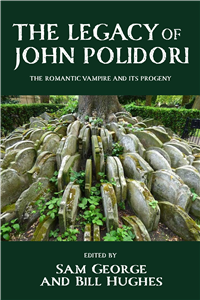
        The legacy of John Polidori

        The Romantic vampire and its progeny

        by Sam George, Bill Hughes

        John Polidori's novella The Vampyre (1819) is perhaps 'the most influential horror story of all time' (Frayling). Polidori's story transformed the shambling, mindless monster of folklore into a sophisticated, seductive aristocrat that stalked London society rather than being confined to the hinterlands of Eastern Europe. Polidori's Lord Ruthven was thus the ancestor of the vampire as we know it. This collection explores the genesis of Polidori's vampire. It then tracks his bloodsucking progeny across the centuries and maps his disquieting legacy. Texts discussed range from the Romantic period, including the fascinating and little-known The Black Vampyre (1819), through the melodramatic vampire theatricals in the 1820s, to contemporary vampire film, paranormal romance, and science fiction. The essays emphasise the background of colonial revolution and racial oppression in the early nineteenth century and the cultural shifts of postmodernity.

      • Trusted Partner
        Literature & Literary Studies
        October 2024

        The Legacy of John Polidori

        The Romantic Vampire and its Progeny

        by Sam George, Bill Hughes

        John Polidori's novella The Vampyre (1819) is perhaps 'the most influential horror story of all time' (Frayling). Polidori's story transformed the shambling, mindless monster of folklore into a sophisticated, seductive aristocrat that stalked London society rather than being confined to the hinterlands of Eastern Europe. Polidori's Lord Ruthven was thus the ancestor of the vampire as we know it. This collection explores the genesis of Polidori's vampire. It then tracks his bloodsucking progeny across the centuries and maps his disquieting legacy. Texts discussed range from the Romantic period, including the fascinating and little-known The Black Vampyre (1819), through the melodramatic vampire theatricals in the 1820s, to contemporary vampire film, paranormal romance, and science fiction. They emphasise the background of colonial revolution and racial oppression in the early nineteenth century and the cultural shifts of postmodernity.

      • Trusted Partner
        Literature & Literary Studies
        December 2025

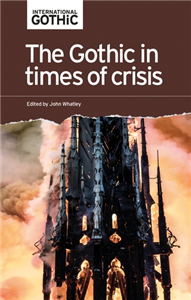
        The Gothic in times of crisis

        by John Whatley

        The Gothic in times of crisis reflects contemporary society, showing how the Gothic modes continually resets its own forms to encompass each new reality, each new apocalypse, each new plague or crisis. This collection expands oncurrent scholarship to show how the Gothic challenges our understanding of both older and recent crises and, in turn, disturbs all genre complacencies to expose and confront the problems and contradictions in what our world has been, has become, or is in danger of becoming. This collection explores Gothic's current relevance to the contestations of ideas and the underlying and visible conflicts it dramatizes across a wide range of media. In various ways, it reveals what happens to Gothic modes now they confront the increasingly Gothic realities of our times, sometimesby recalling earlier crises and ideological contestations leading up to them.

      Subscribe to our

      newsletter