

The Arts
May 2017
 Trusted Partner


The creation of Soviet culture in the 1920s and the 1930s was the most radical of modernist projects, both in aesthetic and in political terms. Modernism and the Making of the New Man explores the architecture of this period as the nexus between aesthetics and politics. The design of the material environment, according to the author, was the social effort that most clearly articulated the dynamic of the socialist project as a negotiation between utopia and reality, the will for progress and the will for tyranny. It was a comprehensive effort that brought together professional architects and statisticians, theatre directors, managers, housewives, pilots, construction workers. What they had in common was the enthusiasm for defining the "new man", the ideal citizen of the radiant future, and the settings in which he or she lives.
Trusted Partner
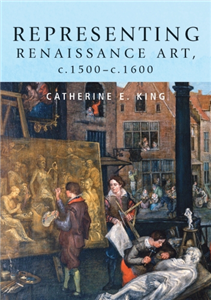
Representing Renaissance art, c.1500-c.1600 is a study of change and continuity in the iconographies of art and the visual representation of artists during the sixteenth century, especially in Italy and the Netherlands. The issue of how, and how far, artists obtained higher status for their profession during the Renaissance is a key question for the study of the early modern period. This book considers the maintenance of well-established traditions for the visual representation of artists, and also examines the new iconographies that emerged in the sixteenth century. By highlighting art and architecture that artists designed for their personal use, including the decoration of their houses, this study provides insight into the tastes and 'ways of looking' specific to artists. By examining the visual evidence we see the opinions both of artists who expressed their views in literary texts, and additionally those of artists who did not publish their ideas in written form.
Trusted Partner

Men in reserve focuses on working class civilian men who, as a result of working in reserved occupations, were exempt from enlistment in the armed forces. It uses fifty six newly conducted oral history interviews as well as autobiographies, visual sources and existing archived interviews to explore how this group articulated their wartime experiences and how they positioned themselves in relation to the hegemonic discourse of military masculinity. It considers the range of masculine identities circulating amongst civilian male workers during the war and investigates the extent to which reserved workers draw upon these identities when recalling their wartime selves. It argues that the Second World War was capable of challenging civilian masculinities, positioning the civilian man below that of the 'soldier hero' while, simultaneously, reinforcing them by bolstering the capacity to provide and to earn high wages, frequently in risky and dangerous work, all which were key markers of masculinity.
Trusted Partner

The creation of Soviet culture in the 1920s and the 1930s was the most radical of modernist projects, both in aesthetic and in political terms. Modernism and the Making of the New Man explores the architecture of this period as the nexus between aesthetics and politics. The design of the material environment, according to the author, was the social effort that most clearly articulated the dynamic of the socialist project as a negotiation between utopia and reality, the will for progress and the will for tyranny. It was a comprehensive effort that brought together professional architects and statisticians, theatre directors, managers, housewives, pilots, construction workers. What they had in common was the enthusiasm for defining the "new man", the ideal citizen of the radiant future, and the settings in which he or she lives.
Trusted Partner
 Trusted Partner
 Trusted Partner
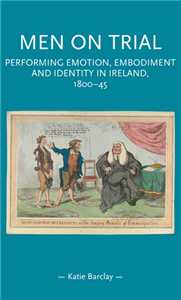
Men on trial explores how the Irish perform 'the self' within the early nineteenth-century courtroom and its implications for law, society and nation. Drawing on new methodologies from the history of emotion, as well as theories of performativity and performative space, it emphasises that manliness was not simply a cultural ideal, but something practised, felt and embodied. Men on trial explores how gender could be a creative dynamic in productions of power. Targeted at scholars in Irish history, law and gender studies, this book argues that justice was not simply determined through weighing evidence, but through weighing men, their bodies, behaviours, and emotions. Moreover, in a context where the processes of justice were publicised in the press for the nation and the world, manliness and its role in the creation of justice became implicated in the making of national identity.
Trusted Partner

Richly illustrated with over 110 colour and black and white images, Deco dandy productively contests the supposedly exclusive feminine aspect of the style moderne (art deco) by exploring how alternative, parallel and overlapping experiences and expressions of decorative modernism, nationalism, gender and sexuality in the heady years surrounding World War I converge in the protean figure of the deco dandy. The book suggests a broader view of art deco by claiming a greater place for the male body, masculinity and the dandy in this history than has been given to date. Important, essential and productive moments in the history of the cultural life of Paris presented in the book are instructive of the changing role performed by consumerism, masculinity, design history and national identity.
Trusted Partner

Richly illustrated with over 110 colour and black and white images, Deco dandy productively contests the supposedly exclusive feminine aspect of the style moderne (art deco) by exploring how alternative, parallel and overlapping experiences and expressions of decorative modernism, nationalism, gender and sexuality in the heady years surrounding World War I converge in the protean figure of the deco dandy. The book suggests a broader view of art deco by claiming a greater place for the male body, masculinity and the dandy in this history than has been given to date. Important, essential and productive moments in the history of the cultural life of Paris presented in the book are instructive of the changing role performed by consumerism, masculinity, design history and national identity.
Trusted Partner
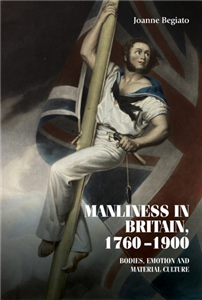
This book offers an innovative account of manliness in Britain between 1760 and 1900. Using diverse textual, visual and material culture sources, it shows that masculinities were produced and disseminated through men's bodies -often working-class ones - and the emotions and material culture associated with them. The book analyses idealised men who stimulated desire and admiration, including virile boxers, soldiers, sailors and blacksmiths, brave firemen and noble industrial workers. It also investigates unmanly men, such as drunkards, wife-beaters and masturbators, who elicited disgust and aversion. Unusually, Manliness in Britain runs from the eras of feeling, revolution and reform to those of militarism, imperialism, representative democracy and mass media, periods often dealt with separately by historians of masculinities.
Trusted Partner
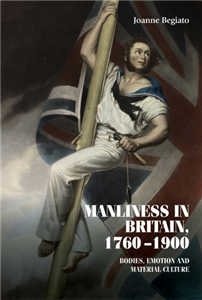
This book offers an innovative account of manliness in Britain between 1760 and 1900. Using diverse textual, visual and material culture sources, it shows that masculinities were produced and disseminated through men's bodies -often working-class ones - and the emotions and material culture associated with them. The book analyses idealised men who stimulated desire and admiration, including virile boxers, soldiers, sailors and blacksmiths, brave firemen and noble industrial workers. It also investigates unmanly men, such as drunkards, wife-beaters and masturbators, who elicited disgust and aversion. Unusually, Manliness in Britain runs from the eras of feeling, revolution and reform to those of militarism, imperialism, representative democracy and mass media, periods often dealt with separately by historians of masculinities.
Trusted Partner
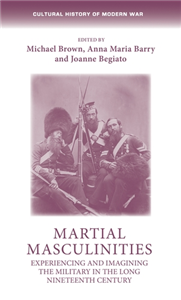
This collection explores the role of martial masculinities in shaping nineteenth-century British culture and society in a period framed by two of the greatest wars the world had ever known. It offers a fresh, interdisciplinary perspective on an emerging field of study and draws on historical, literary, visual and musical sources to demonstrate the centrality of the military and its masculine dimensions in the shaping of Victorian and Edwardian personal and national identities. Focusing on both the experience of military service and its imaginative forms, it examines such topics as bodies and habits, families and domesticity, heroism and chivalry, religion and militarism, and youth and fantasy. This collection will be required reading for anyone interested in the cultures of war and masculinity in the long nineteenth century.
Trusted Partner
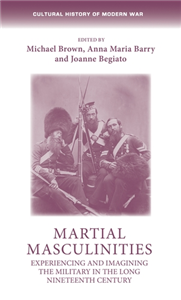
This collection explores the role of martial masculinities in shaping nineteenth-century British culture and society in a period framed by two of the greatest wars the world had ever known. It offers a fresh, interdisciplinary perspective on an emerging field of study and draws on historical, literary, visual and musical sources to demonstrate the centrality of the military and its masculine dimensions in the shaping of Victorian and Edwardian personal and national identities. Focusing on both the experience of military service and its imaginative forms, it examines such topics as bodies and habits, families and domesticity, heroism and chivalry, religion and militarism, and youth and fantasy. This collection will be required reading for anyone interested in the cultures of war and masculinity in the long nineteenth century.
Trusted Partner

Men in reserve focuses on working class civilian men who, as a result of working in reserved occupations, were exempt from enlistment in the armed forces. It uses fifty six newly conducted oral history interviews as well as autobiographies, visual sources and existing archived interviews to explore how this group articulated their wartime experiences and how they positioned themselves in relation to the hegemonic discourse of military masculinity. It considers the range of masculine identities circulating amongst civilian male workers during the war and investigates the extent to which reserved workers draw upon these identities when recalling their wartime selves. It argues that the Second World War was capable of challenging civilian masculinities, positioning the civilian man below that of the 'soldier hero' while, simultaneously, reinforcing them by bolstering the capacity to provide and to earn high wages, frequently in risky and dangerous work, all which were key markers of masculinity.
Trusted Partner

Out of His Mind interrogates how Victorians made sense of the madman as both a social reality and a cultural representation. Even at the height of enthusiasm for the curative powers of nineteenth-century psychiatry, to be certified as a lunatic meant a loss of one's freedom and in many ways one's identify. Because men had the most power and authority in Victorian Britain, this also meant they had the most to lose. The madman was often a marginal figure, confined in private homes, hospitals, and asylums. Yet as a cultural phenomenon he loomed large, tapping into broader social anxieties about respectability, masculine self-control, and fears of degeneration. Using a wealth of case notes, press accounts, literature, medical and government reports, this text provides a rich window into public understandings and personal experiences of men's insanity.
Trusted Partner
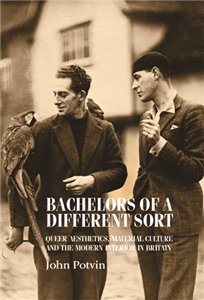
The bachelor has long held an ambivalent, uncomfortable and even at times unfriendly position in society. This book carefully considers the complicated relationships between the modern queer bachelor and interior design, material culture and aesthetics in Britain between 1885 and 1957. The seven deadly sins of the modern bachelor (queerness, idolatry, askesis, decadence, the decorative, glamour and artifice) comprise a contested site and reveal in their respective ways the distinctly queer twinning of shame and resistance. It pays close attention to the interiors of Lord Ronald Gower, Alfred Taylor, Oscar Wilde, Charles Shannon and Charles Ricketts, Edward Perry Warren and John Marshall, Sir Cedric Morris and Arthur Lett-Haines, Noël Coward and Cecil Beaton. Richly illustrated and written in a lively and accessible manner, Bachelors of a different sort is at once theoretically ambitious and rich in its use of archival and various historical sources.
Trusted Partner

The bachelor has long held an ambivalent, uncomfortable and even at times unfriendly position in society. This book carefully considers the complicated relationships between the modern queer bachelor and interior design, material culture and aesthetics in Britain between 1885 and 1957. The seven deadly sins of the modern bachelor (queerness, idolatry, askesis, decadence, the decorative, glamour and artifice) comprise a contested site and reveal in their respective ways the distinctly queer twinning of shame and resistance. It pays close attention to the interiors of Lord Ronald Gower, Alfred Taylor, Oscar Wilde, Charles Shannon and Charles Ricketts, Edward Perry Warren and John Marshall, Sir Cedric Morris and Arthur Lett-Haines, Noël Coward and Cecil Beaton. Richly illustrated and written in a lively and accessible manner, Bachelors of a different sort is at once theoretically ambitious and rich in its use of archival and various historical sources.
Trusted Partner

This electronic version has been made available under a Creative Commons (BY-NC-ND) open access license. Siblings are our longest lasting relationships. Narratives of the Great War abound with the war stories of brothers and sisters. Their emotional experiences span the novelty of departing for war or taking up war work, the turmoil of facing combat, the effort to provide ongoing support for family members, the ever-present anxiety for soldier-brothers, the depth of sibling grief and the multifarious ways surviving siblings sought to preserve the memory of their fallen brothers. This social and cultural history places siblinghood at the heart of our understanding of the war generation and how they balanced conflicting obligations to the nation, the military and their families. Drawing on a range of material, Brothers in the Great War, reveals how sibling bonds sustained fighting men and presents a novel insight into twentieth-century familial life.


