

International human rights law
July 2013
 Trusted Partner
Trusted Partner
Trusted Partner


Global Indigeneity is a term that reflects shared recognition of sovereignty among Indigenous peoples. Terms like global Indigeneity, transnational, and relational are in use to describe both ancient and contemporary connections between Indigenous peoples all over the world. This edited volume brings together a range of Indigenous perspectives, forming a global network of writers, thinkers, and scholars connected by common investment in Indigenous futures. This transnational solidarity results in collective activism and envisioning - a joint investment in futures free of the tyrannies imposed by settler-colonialism. This edited volume assembles collective visions of Indigenous futures, contemplations of the potential of digital technologies, and considerations of Indigenous intimacies, relationalities and manners in which we locate ourselves in an increasingly global, connected world. Together, they present possibilities and the practicalities required to bring them to fruition.
Trusted Partner

Global Indigeneity is a term that reflects shared recognition of sovereignty among Indigenous peoples. Terms like global Indigeneity, transnational, and relational are in use to describe both ancient and contemporary connections between Indigenous peoples all over the world. This edited volume brings together a range of Indigenous perspectives, forming a global network of writers, thinkers, and scholars connected by common investment in Indigenous futures. This transnational solidarity results in collective activism and envisioning - a joint investment in futures free of the tyrannies imposed by settler-colonialism. This edited volume assembles collective visions of Indigenous futures, contemplations of the potential of digital technologies, and considerations of Indigenous intimacies, relationalities and manners in which we locate ourselves in an increasingly global, connected world. Together, they present possibilities and the practicalities required to bring them to fruition.
Trusted Partner

Global Indigeneity is a term that reflects shared recognition of sovereignty among Indigenous peoples. Terms like global Indigeneity, transnational, and relational are in use to describe both ancient and contemporary connections between Indigenous peoples all over the world. This edited volume brings together a range of Indigenous perspectives, forming a global network of writers, thinkers, and scholars connected by common investment in Indigenous futures. This transnational solidarity results in collective activism and envisioning - a joint investment in futures free of the tyrannies imposed by settler-colonialism. This edited volume assembles collective visions of Indigenous futures, contemplations of the potential of digital technologies, and considerations of Indigenous intimacies, relationalities and manners in which we locate ourselves in an increasingly global, connected world. Together, they present possibilities and the practicalities required to bring them to fruition.
Trusted Partner
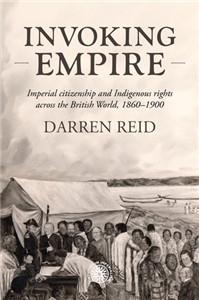
Invoking Empire examines the histories of Canada, South Africa, Australia, and New Zealand during the transitional decades between 1860-1900, when each gained some degree of self-government yet still remained within the sovereignty of the British Empire. It applies the conceptual framework of imperial citizenship to nine case studies of settlers and Indigenous peoples who lived through these decades to make two main arguments. It argues that colonial subjects adapted imperial citizenship to both support and challenge settler sovereignty, revealing the continuing importance of imperial authority in self-governing settler spaces. It also posits that imperial citizenship was rendered inoperable by a combination of factors in both Britian and the colonies, highlighting the contingency of settler colonialism on imperial governmental structures and challenging teleological assumptions that the rise of settler nation states was an inevitable result of settler self-government.
Trusted Partner
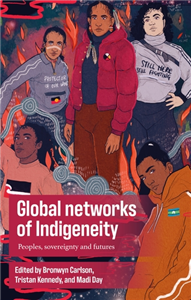
Global Indigeneity is a term that reflects shared recognition of sovereignty among Indigenous peoples. Terms like global Indigeneity, transnational, and relational are in use to describe both ancient and contemporary connections between Indigenous peoples all over the world. This edited volume brings together a range of Indigenous perspectives, forming a global network of writers, thinkers, and scholars connected by common investment in Indigenous futures. This transnational solidarity results in collective activism and envisioning - a joint investment in futures free of the tyrannies imposed by settler-colonialism. This edited volume assembles collective visions of Indigenous futures, contemplations of the potential of digital technologies, and considerations of Indigenous intimacies, relationalities and manners in which we locate ourselves in an increasingly global, connected world. Together, they present possibilities and the practicalities required to bring them to fruition.



