Your Search Results

      • Trusted Partner
        Humanities & Social Sciences
        June 2017

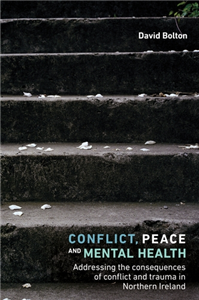
        Conflict, peace and mental health

        Addressing the consequences of conflict and trauma in Northern Ireland

        by David Bolton

        What are the human consequences of conflict and what are the appropriate service responses? This book seeks to provide an answer to these important questions drawing upon over 25 years work by the author in Northern Ireland and elsewhere. Focussing on the work undertaken following the Omagh bombing the book describes how needs were assessed and understood, how evidence-based services were put in place and the training and education programmes that were developed to assist first those communities affected by the Omagh bombing and later the wider population affected by the years of conflict. The author places the mental health needs of conflict affected communities at the heart of the political and peace processes that follow. This is a practical book and will be of particular interest to those planning for and responding to conflict-related disasters, policy makers, service commissioners and providers, politicians, civil servants and peace makers.

      • Trusted Partner
        Humanities & Social Sciences
        June 2017

        Conflict, peace and mental health

        Addressing the consequences of conflict and trauma in Northern Ireland

        by David Bolton

        What are the human consequences of conflict and what are the appropriate service responses? This book seeks to provide an answer to these important questions drawing upon over 25 years work by the author in Northern Ireland and elsewhere. Focussing on the work undertaken following the Omagh bombing the book describes how needs were assessed and understood, how evidence-based services were put in place and the training and education programmes that were developed to assist first those communities affected by the Omagh bombing and later the wider population affected by the years of conflict. The author places the mental health needs of conflict affected communities at the heart of the political and peace processes that follow. This is a practical book and will be of particular interest to those planning for and responding to conflict-related disasters, policy makers, service commissioners and providers, politicians, civil servants and peace makers.

      • Trusted Partner
        Humanities & Social Sciences
        June 2017

        Conflict, peace and mental health

        Addressing the consequences of conflict and trauma in Northern Ireland

        by David Bolton

        What are the human consequences of conflict and what are the appropriate service responses? This book seeks to provide an answer to these important questions drawing upon over 25 years work by the author in Northern Ireland and elsewhere. Focussing on the work undertaken following the Omagh bombing the book describes how needs were assessed and understood, how evidence-based services were put in place and the training and education programmes that were developed to assist first those communities affected by the Omagh bombing and later the wider population affected by the years of conflict. The author places the mental health needs of conflict affected communities at the heart of the political and peace processes that follow. This is a practical book and will be of particular interest to those planning for and responding to conflict-related disasters, policy makers, service commissioners and providers, politicians, civil servants and peace makers.

      • Trusted Partner
        Teaching, Language & Reference
        November 2018

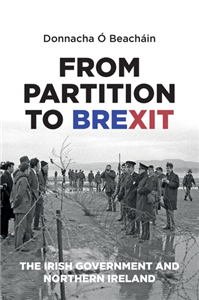
        From Partition to Brexit

        The Irish Government and Northern Ireland

        by Donnacha Ó Beacháin

        From Partition to Brexit is the first book to chart the political and ideological evolution of Irish government policy towards Northern Ireland from the partition of the country in 1921 to the present day. Based on extensive original research, this groundbreaking and timely study challenges the idea that Irish governments have pursued a consistent set of objectives and policies towards Northern Ireland to reveal a dynamic story of changing priorities. The book demonstrates how in its relations with the British Government, Dublin has been transformed from spurned supplicant to vital partner in determining Northern Ireland's future, a partnership jeopardised by Britain's decision to leave the European Union. Informed, robust and innovative, From Partition to Brexit is essential reading for anyone interested in Irish or British history and politics, and will appeal to students of diplomacy, international relations and conflict studies.

      • Trusted Partner
        Humanities & Social Sciences
        August 2018

        The impact of the Troubles on the Republic of Ireland, 1968–79

        Boiling volcano?

        by Brian Hanley

        The first book to examine in detail the impact of the Northern Irish Troubles on southern Irish society. This study vividly illustrates how life in the Irish Republic was affected by the conflict north of the border and how people responded to the events there. It documents popular mobilization in support of northern nationalists, the reaction to Bloody Sunday, the experience of refugees and the popular cultural debates the conflict provoked. For the first time the human cost of violence is outlined, as are the battles waged by successive governments against the IRA. Focusing on debates at popular level rather than among elites, the book illustrates how the Troubles divided southern opinion and produced long-lasting fissures.

      • Trusted Partner
        Humanities & Social Sciences
        October 2016

        Medicine, health and Irish experiences of conflict, 1914–45

        by David Durnin, Ian Miller

        This book explores Irish experiences of medicine and health during the First and Second World Wars, the War of Independence and the Civil War. It examines the physical, mental and emotional impact of conflict on Irish political and social life, as well as medical, scientific and official interventions in Irish health matters. The contributors put forward the case that warfare and political unrest profoundly shaped Irish experiences of medicine and health, and that Irish political, social and economic contexts added unique contours to those experiences not evident in other countries. In pursuing these themes, the book offers an original and focused intervention into a central, but so far unexplored, area of Irish medical history.

      • Trusted Partner
        Humanities & Social Sciences
        December 2016

        The role of terrorism in twenty-first-century warfare

        by Susanne Martin, Max Taylor, Mark Currie, John Hogan, Leonard Weinberg

        This book presents a critical reflection on the major armed conflicts that occurred during the 1990s and the first decade of the twenty-first century. Conflicts in Bosnia, Kosovo, Chechnya, Iraq, Afghanistan and Syria all involved the use of terrorism by one or more groups. Looking to the future, the book asks what this means for violent conflicts yet to come? Using a variety of case studies, the authors provide a systematic and comprehensive analysis of the role played by terrorism as a stand-alone tactic as well as one used to ignite broad-scale conflict. They also pose the question on what occasions does terrorism tend to occur as an armed conflict begins to subside, and when, in other words, is it a trailing indicator?

      • Trusted Partner
        Teaching, Language & Reference
        November 2018

        From Partition to Brexit

        The Irish Government and Northern Ireland

        by Donnacha Ó Beacháin

        From Partition to Brexit is the first book to chart the political and ideological evolution of Irish government policy towards Northern Ireland from the partition of the country in 1921 to the present day. Based on extensive original research, this groundbreaking and timely study challenges the idea that Irish governments have pursued a consistent set of objectives and policies towards Northern Ireland to reveal a dynamic story of changing priorities. The book demonstrates how in its relations with the British Government, Dublin has been transformed from spurned supplicant to vital partner in determining Northern Ireland's future, a partnership jeopardised by Britain's decision to leave the European Union. Informed, robust and innovative, From Partition to Brexit is essential reading for anyone interested in Irish or British history and politics, and will appeal to students of diplomacy, international relations and conflict studies.

      • Trusted Partner
        Teaching, Language & Reference
        November 2018

        From Partition to Brexit

        The Irish Government and Northern Ireland

        by Donnacha Ó Beacháin

        From Partition to Brexit is the first book to chart the political and ideological evolution of Irish government policy towards Northern Ireland from the partition of the country in 1921 to the present day. Based on extensive original research, this groundbreaking and timely study challenges the idea that Irish governments have pursued a consistent set of objectives and policies towards Northern Ireland to reveal a dynamic story of changing priorities. The book demonstrates how in its relations with the British Government, Dublin has been transformed from spurned supplicant to vital partner in determining Northern Ireland's future, a partnership jeopardised by Britain's decision to leave the European Union. Informed, robust and innovative, From Partition to Brexit is essential reading for anyone interested in Irish or British history and politics, and will appeal to students of diplomacy, international relations and conflict studies.

      • Trusted Partner
        Teaching, Language & Reference
        November 2018

        From Partition to Brexit

        The Irish Government and Northern Ireland

        by Donnacha Ó Beacháin

        From Partition to Brexit is the first book to chart the political and ideological evolution of Irish government policy towards Northern Ireland from the partition of the country in 1921 to the present day. Based on extensive original research, this groundbreaking and timely study challenges the idea that Irish governments have pursued a consistent set of objectives and policies towards Northern Ireland to reveal a dynamic story of changing priorities. The book demonstrates how in its relations with the British Government, Dublin has been transformed from spurned supplicant to vital partner in determining Northern Ireland's future, a partnership jeopardised by Britain's decision to leave the European Union. Informed, robust and innovative, From Partition to Brexit is essential reading for anyone interested in Irish or British history and politics, and will appeal to students of diplomacy, international relations and conflict studies.

      • Trusted Partner
        Humanities & Social Sciences
        August 2018

        The impact of the Troubles on the Republic of Ireland, 1968–79

        Boiling volcano?

        by Brian Hanley

        The first book to examine in detail the impact of the Northern Irish Troubles on southern Irish society. This study vividly illustrates how life in the Irish Republic was affected by the conflict north of the border and how people responded to the events there. It documents popular mobilization in support of northern nationalists, the reaction to Bloody Sunday, the experience of refugees and the popular cultural debates the conflict provoked. For the first time the human cost of violence is outlined, as are the battles waged by successive governments against the IRA. Focusing on debates at popular level rather than among elites, the book illustrates how the Troubles divided southern opinion and produced long-lasting fissures.

      • Trusted Partner
        Humanities & Social Sciences
        August 2018

        The impact of the Troubles on the Republic of Ireland, 1968–79

        Boiling volcano?

        by Brian Hanley

        The first book to examine in detail the impact of the Northern Irish Troubles on southern Irish society. This study vividly illustrates how life in the Irish Republic was affected by the conflict north of the border and how people responded to the events there. It documents popular mobilization in support of northern nationalists, the reaction to Bloody Sunday, the experience of refugees and the popular cultural debates the conflict provoked. For the first time the human cost of violence is outlined, as are the battles waged by successive governments against the IRA. Focusing on debates at popular level rather than among elites, the book illustrates how the Troubles divided southern opinion and produced long-lasting fissures.

      • Trusted Partner
        Humanities & Social Sciences
        June 2017

        Conflict, peace and mental health

        Addressing the consequences of conflict and trauma in Northern Ireland

        by David Bolton

        What are the human consequences of conflict and what are the appropriate service responses? This book seeks to provide an answer to these important questions, drawing on over twenty-five years of work by the author in Northern Ireland and elsewhere. Focusing on the work undertaken following the Omagh bombing, the book describes how needs were assessed and understood, how evidence-based services were put in place, and the training and education programmes that were developed to assist first those communities affected by the bombing and later the wider population affected by the years of conflict. The author places the mental-health needs of affected communities at the heart of the political and peace processes that follow. This is a practical book and will be of particular interest to those planning for and responding to conflict-related disasters, policy makers, service commissioners and providers, politicians, civil servants and peace makers.

      • Trusted Partner
        Humanities & Social Sciences
        September 2019

        The impact of the Troubles on the Republic of Ireland, 1968–79

        Boiling volcano?

        by Brian Hanley

        The first book to examine in detail the impact of the Northern Irish Troubles on southern Irish society. This study vividly illustrates how life in the Irish Republic was affected by the conflict north of the border and how people responded to the events there. It documents popular mobilization in support of northern nationalists, the reaction to Bloody Sunday, the experience of refugees and the popular cultural debates the conflict provoked. For the first time the human cost of violence is outlined, as are the battles waged by successive governments against the IRA. Focusing on debates at popular level rather than among elites, the book illustrates how the Troubles divided southern opinion and produced long-lasting fissures.

      • Trusted Partner
        Humanities & Social Sciences
        December 2016

        The role of terrorism in twenty-first-century warfare

        by Susanne Martin, Max Taylor, Mark Currie, John Hogan, Leonard Weinberg

        This book presents a critical reflection on the major armed conflicts that occurred during the 1990s and the first decade of the twenty-first century. Conflicts in Bosnia, Kosovo, Chechnya, Iraq, Afghanistan and Syria all involved the use of terrorism by one or more groups. Looking to the future, the book asks what this means for violent conflicts yet to come? Using a variety of case studies, the authors provide a systematic and comprehensive analysis of the role played by terrorism as a stand-alone tactic as well as one used to ignite broad-scale conflict. They also pose the question on what occasions does terrorism tend to occur as an armed conflict begins to subside, and when, in other words, is it a trailing indicator?

      • Trusted Partner
        Humanities & Social Sciences
        October 2016

        Medicine, health and Irish experiences of conflict, 1914–45

        by David Durnin, Ian Miller

        This book explores Irish experiences of medicine and health during the First and Second World Wars, the War of Independence and the Civil War. It examines the physical, mental and emotional impact of conflict on Irish political and social life, as well as medical, scientific and official interventions in Irish health matters. The contributors put forward the case that warfare and political unrest profoundly shaped Irish experiences of medicine and health, and that Irish political, social and economic contexts added unique contours to those experiences not evident in other countries. In pursuing these themes, the book offers an original and focused intervention into a central, but so far unexplored, area of Irish medical history.

      • Trusted Partner
        Humanities & Social Sciences
        September 2021

        Proscribing peace

        How listing armed groups as terrorists hurts negotiations

        by Sophie Haspeslagh

        Proscribing peace offers a systematic examination of the impact of proscription on peace negotiations. With rare access to actors during the Colombian negotiations with the Revolutionary Armed Forces of Colombia People's Army (FARC), Sophie Haspeslagh shows how proscription makes negotiations harder and more prolonged. By introducing the concept of 'linguistic ceasefire', Haspeslagh adds to our understanding of the timing and sequencing of peace processes in the context of proscription. Linguistic ceasefire has three main components: first, recognise the conflict; second, discard the 'terrorist' label, and third, uncouple the act and the actor. These measures remove the symbolic impact of proscription, even where de-listing is not possible ahead of negotiations. With relevance for more than half of the conflicts around the world in which an armed group is listed as a terrorist organisation, 'linguistic ceasefire' helps to explain why certain conflicts remain stuck in the 'terrorist' framing, while others emerge from it. International proscription regimes criminalise both the actor and the act of terrorism. Proscribing peace calls for an end to the amalgamation between acts and actors. By focussing on the acts instead, Haspeslagh argues, international policy would be better able to consider the violent actions both of armed groups and those of the state. By separating the act and the actor, change - and thus peace - become possible.

      • Trusted Partner
        Humanities & Social Sciences
        September 2021

        Proscribing peace

        How listing armed groups as terrorists hurts negotiations

        by Sophie Haspeslagh

        Proscribing peace offers a systematic examination of the impact of proscription on peace negotiations. With rare access to actors during the Colombian negotiations with the Revolutionary Armed Forces of Colombia People's Army (FARC), Sophie Haspeslagh shows how proscription makes negotiations harder and more prolonged. By introducing the concept of 'linguistic ceasefire', Haspeslagh adds to our understanding of the timing and sequencing of peace processes in the context of proscription. Linguistic ceasefire has three main components: first, recognise the conflict; second, discard the 'terrorist' label, and third, uncouple the act and the actor. These measures remove the symbolic impact of proscription, even where de-listing is not possible ahead of negotiations. With relevance for more than half of the conflicts around the world in which an armed group is listed as a terrorist organisation, 'linguistic ceasefire' helps to explain why certain conflicts remain stuck in the 'terrorist' framing, while others emerge from it. International proscription regimes criminalise both the actor and the act of terrorism. Proscribing peace calls for an end to the amalgamation between acts and actors. By focussing on the acts instead, Haspeslagh argues, international policy would be better able to consider the violent actions both of armed groups and those of the state. By separating the act and the actor, change - and thus peace - become possible.

      Subscribe to our

      newsletter