
Agence Deborah Druba
AGENCE DEBORAH DRUBA is an international rights agency based in Paris.
View Rights Portal
AGENCE DEBORAH DRUBA is an international rights agency based in Paris.
View Rights Portal

This volume is the first ever attempt to unite and translate some of the key texts which informed Johan Huizinga's famous study of the Burgundian court, The Waning of the Middle Ages, a work which has never gone out of print. It combines these texts with sources that Huizinga did not consider, those that illuminate the wider civic world that the Burgundian court inhabited and the dynamic interaction between court and city. Through these sources, and an introduction offering new perspectives on recent historiography, the book tests whether Huizinga's controversial vision of the period still stands. Covering subjects including ceremonial events, such as the spectacles and gargantuan banquets that made the Burgundian dukes the talk of Europe, the workings of the court, and jousting, archery and rhetoric competitions, the book will appeal to students of late medieval and early modern Europe and to those with wider interests in court culture, ritual and ceremony.
 Trusted Partner
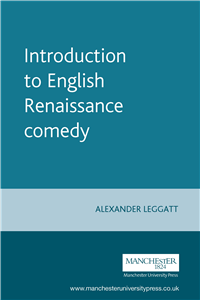
Introduction to English Renaissance comedy provides a comprehensive introduction to Elizabethan, Jacobean and Caroline comedy, covering both public and private theatres, emphasising the eclectic, experimental nature of this comedy: its departures from the mainstream New Comedy tradition, its searching, witty analysis of social and personal relations in court, city and country. This book makes a close analysis of some of the richest comedies of the period, making unexpected connections between them: Shakespeare's A Midsummer Night's Dream and The Tempest, Lyly's Endymion, Greene's Friar Bacon and Friar Bungay, Marston's The Malcontent, Middleton's Michaelmas Term, Jonson's Bartholomew Fair, Shirley's The Lady of Pleasure and Brome's A Jovial Crew. Through these plays the reader is given a comprehensive picture of English comedy in one of its most creative periods. ;
Trusted Partner


A practical and up-to-date handbook that provides an introduction to the theory and practice of integrative body psychotherapy. The systematic focus on the body makes Integrative Body Psychotherapy unique and is something that is increasingly being regarded as an indispensable addition to and enrichment of the theory and practice of psychotherapy. This manual provides information on: • Basic humanistic concepts (presence, awareness, personal space, grounding, gestalt work) • Psychodynamic principles (developmental psychology, developmental personality model) • Stress model (disorders of stress regulation, implications for psychotherapy) • Breathing and body work (energetic approach, blockages, high-charge breathing, working with touch, self-relaxation techniques) • Working with sexuality in psychotherapy With concrete case studies and clear instructions for physical exercises (with diagrams) it makes for a comprehensive guide for any psychotherapist. Target Group: psychotherapists, coaches
Trusted Partner

 Trusted Partner


Starting to work after the completion of studies or training? Returning to pharmacy practice after a break? This book provides new inspiration, repeats the essentials and can make you confident and fit to give advice. In addition to helpful tips, the book provides: - Classic role-playing templates to practise - Assessment sheets to evaluate the practice discussions. Now get started and give competent advice as never before.
Trusted Partner
Trusted Partner

The consistent inclusion of the body, emotions and cognitionsmakes IBP unique and is increasingly seen as an indispensableextension and enrichment of conventional psychotherapeuticthinking and action. Based on the concept of thehuman being in humanistic psychology, this textbook presentsa compact and clear process-orientated approach inall three dimensions of experience. It also conveys generalpsychotherapeutic principles.
Trusted Partner
Trusted Partner
Trusted Partner
Trusted Partner


Vom Alpenhirsch bis zum Zwergkondor, von Quastenflossern und Halbaffen: Phantasievoller Nonsens steckt in den Zeichnungen und Versen von Hans Traxlers tierischem ABC. Spielerische Freude am Fabulieren und der so treffliche Pinselstrich machen diese kleinen Geschichten zu einem besonderen Vergnügen für alt und jung.
Trusted Partner
 Trusted Partner
Trusted Partner
Trusted Partner


Der Geschichtslehrer muss sterben, die Kinder sollen über das Birnenfeld in die Freiheit rennen – das ist Lelas Plan. Im Internat für geistig behinderte Kinder in Tbilissi, einem Relikt aus Sowjetzeiten, hat das zornige Mädchen die Rolle der Beschützerin übernommen. Die Lehrerinnen sind mit den „Debilen“ überfordert. Behindert sind die wenigsten ihrer Schützlinge, im Stich gelassen, abgehängt sind sie alle. So mörderisch Lelas Hass auf den Geschichtslehrer, so schwesterlich ihr Verhältnis zu Irakli: Sie begleitet ihn in eine Hochhauswohnung in der Nachbarschaft, wo er einmal in der Woche mit seiner Mutter in Griechenland telefonieren darf. Irakli will nicht wahrhaben, was Lela längst weiß: Seine Mutter wird nie zurückkehren, sie wird ihn auch nicht zu sich holen. Lela zwingt ihn, Englisch zu lernen, unterstützt seine Hoffnung, nach Amerika zu gehen. Ein Traum, der eines Tages, als ein Ehepaar aus den Südstaaten anreist, wahrzuwerden droht… Es sind die rebellischen Mädchen und Frauen in der georgischen Gesellschaft, denen Nana Ektvimishvili Gesicht und Stimme gibt.
Trusted Partner
Maylis de Kerangal, geboren 1967, veröffentlichte im Jahre 2000 ihren ersten Roman. Ihre Romane und Erzählungen wurden vielfach ausgezeichnet. Andrea Spingler, geboren 1949 in Stuttgart, ist seit 1980 als freie Übersetzerin tätig. Sie hat unter anderem Werke von Marguerite Duras, Alain Robbe-Grillet, Patrick Modiano, Jean-Paul Sartre, André Gide ins Deutsche übertragen. 2007 wurde sie mit dem Eugen-Helmlé-Preis für herausragende deutsch-französische Übersetzungen ausgezeichnet, 2012 mit dem Prix lémanique de la traduction. Sie lebt in Oldenburg und Südfrankreich.
Trusted Partner

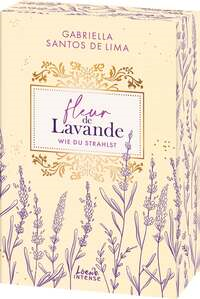
»Étienne war wie ein Sonnenplanet. Er brachte alles in seiner Umlaufbahn zum Strahlen. Auch mich.« Julias Leben ist perfekt. Für ihre Social-Media-Beiträge mit wichtiger Message erhält die curvy Fotografin täglich Zuspruch und mit dem Bachelor in der Tasche kann sie nun endlich ins Familien-unternehmen Fleur de Lavande einsteigen. Wären da nicht die makellosen Models bei ihrer ersten Kampagne, die ihr ihre vermeintliche Unperfektheit vor Augen führen. Kummer mit männlicher Bestätigung zu ersticken, hat für Jules noch nie funktioniert. Doch als sie in Südfrankreich auf Étienne Girard trifft, ist es anders. Und das, obwohl er der Erbe des größten Konkurrenzunternehmens ist. Obwohl sich ihre Familien hassen und ihre Treffen nur heimlich stattfinden können. Heimlich, wie immer … In einer Welt voller falscher Perfektion, Selbstzweifel und Toxizität erschafft Gabriella Santos de Lima bedingungslose Liebe. Forbidden Love zwischen Romeo und Julia : Fleur de Lavande-Erbin Jules verliebt sich in den jüngsten Sohn des größten Konkurrenzunternehmens. Fast Burn vorprogrammiert! Curvy Prota x Golden Retriever Boyfriend : Er zeigt ihr, dass Liebe nicht verboten ist. Vor allem nicht die Liebe zu sich selbst. Kreativer Umgang mit Körperwahrnehmung und Selbstliebe : Fotografin Jules stellt wichtige Messages auf Social Media mit Porträts von Frauen, die nicht dem Schönheitsideal entsprechen. Starke Protagonistin mit Identifikationspotential : Die Autorin teilt die gleichen Werte und Ansichten mit ihrer Protagonistin, in ihren Büchern und auf Social Media. Poetischer Schreibstil trifft schonungslos ehrlichen Umgang mit aktuellen Themen : Gabriella Santos de Lima schreibt einfühlsam und nachvollziehbar über Selbstakzeptanz, ein gestörtes Selbstbild und toxische Strukturen. Die perfekte Urlaubslektüre : Old Money Vibes im Sommer in Südfrankreich Mit wunderschönem Lettering zwischen den Buchseiten Mit edlem Farbschnitt und exklusiver Charakterpostkarte in der Erstauflage - Nur solange der Vorrat reicht!
Trusted Partner
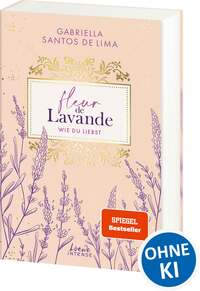
„Man konnte mit Viola mitfühlen & hat sich wieder einmal verstanden gefühlt. So wie Gabi schreibt können nur wenige schreiben, wenn überhaupt jemand, denn ihr Schreibstil ist einzigartig und etwas ganz Besonderes.“ – meri.liest „Ich habe es wieder zu 100% gefühlt und wirklich jedes Wort geliebt. Wie kann man eigentlich nur so wunderschön und einzigartig schreiben? Jede Zeile liest sich hier wie ein Gedicht und erweckt so viele Emotionen. Je mehr Worte Gabriela hat, desto weniger habe ich.“ – reading_with_anita „Gabriella Santos de Lima hat mit dem ersten Teil von 'Fleur De Lavande - Wie du liebst' einen Reihenstart geschaffen, der mich noch einige Zeit begleiten wird. Viola und Luc waren beide Figuren, die mir ziemlich nahe gegangen sind und in denen ich mich wiederfinden konnte. Dieses Buch war vor allem ein Gefühl der Verbundenheit, das Wahrnehmen der Zweifel von einem selbst und anderen.“ – zwischenzeilenundgefuehlen „Dieses Buch hat mir wirklich alles gegeben. Ich habe mich verstanden gefühlt. Verstanden im „Sich manchmal zu Viel zu fühlen“. Verstanden im Dasein als Mittzwanzigerin. Und ich habe mich nicht nur verstanden, sondern auch gesehen gefühlt. Gabriella hat sich meiner Meinung mal wieder absolut selbst übertroffen!“ – zwischenbuchseitenundrealitaet „Fleur de Lavande“ fühlt sich an wie ein warmer Spätsommertag – voller Lavendelduft, echter Emotionen und besonderer Momente, die tief unter die Haut gehen. Gabriella schafft es erneut, mit ihrem einzigartigen Schreibstil nicht nur Geschichten zu erzählen, sondern eine Vielzahl von Gefühlen zu vermitteln. Ihre Worte berühren mich sehr und haben mich gleichzeitig so in ihren Bann gezogen, dass ich das Buch innerhalb von zwei Tagen gelesen habe.“ – dreimalgelesen
Trusted Partner
Trusted Partner
Margaux will sich nie wieder verlieben, denn das erste Mal endete in einem Desaster. Vier Jahre sind vergangen, doch sie denkt noch immer an Oscar. Oscar, diesen furchtbar sensiblen, einfühlsamen, britischen Jungen, mit dem sie einen ganzen Sommer verbracht hat. Er war gerade achtzehn, verrückt nach seiner Musik – und nach ihr. Heute ist er Sänger einer erfolgreichen Indie-Band, die Maggie natürlich nicht auf Social Media verfolgt. Als das Duftimperium ihrer Familie sein Jubiläum in Südfrankreich feiert, muss Maggie an den Ort zurückkehren, an dem sie zuletzt mit sechzehn war. Den Ort, an den sich jetzt auch Oscar zurückzieht, um an neuen Liedern zu schreiben, die irgendwie immer noch alle nach Maggie klingen. Im abschließenden Band ihrer New-Adult-Reihe rund um die französische Duftdynastie Fleur de Lavande schreibt SPIEGEL -Bestsellerautorin Gabriella Santos de Lima über eine zweite Chance für die erste Liebe – Second Chance zwischen Erinnerungen, Mental Health, Musik und Träumen. Mit edlem Farbschnitt und exklusiver Charakterpostkarte in der Erstauflage - Nur solange der Vorrat reicht!



