
Your Search Results
-

-

A Walk through History
A Walk Through History is a Russian publishing house specializing in children’s nonfiction. Since 2011 it has created and designed about 50 titles on various periods of history and other subjects such as mathematics, sport, plants and animals.
View Rights Portal
-
Promoted Content

 Literature & Literary StudiesApril 2021
Positive emotions in early modern literature and culture
by Cora Fox, Bradley J. Irish, Cassie M. Miura
-
Promoted Content
-
 Trusted Partner
-
Trusted Partner

 April 2009
Die Wahl der Qual
Handbuch für Sadomasochisten und solche, die es werden wollen
by Strübel, Ira; Passig, Kathrin
-
Trusted Partner
-
Trusted Partner
-
Trusted Partner
-
Trusted Partner

 April 2007
Belichtungszeit
Roman
by Erwin Mortier, Ira Wilhelm
Joris wächst bei Onkel und Tante auf; sein Vater ist früh gestorben, die Mutter nach Spanien gezogen – viel mehr weiß Joris nicht über sie. In Stuyvenberghe, seinem Dorf, geht es beschaulich zu; der Kirchturm schaut seit Jahrhunderten schläfrig auf die Häuser herunter, und selbst das Schloß mit den hohen, dunklen Zypressen verfällt auf pittoreske Weise. Bis der Gemeinderat eines Sommers bekanntgibt, daß die Gräber auf dem Kirchhof wegen Umbauten verlegt werden müssen. Das heißt: auch das Grab von Joris’ Vater. Von dem hat Joris die allerschönste Vorstellung – und eine alte Keksdose mit wenigen Fotos, der Rest ist: unscharfe Erinnerung, Wunsch, Erfindung und die Geschichten der Verwandtschaft. Als Joris sich in diesem Sommer zum ersten Mal verliebt, wird das Unterscheiden von Erträumtem und Erlebtem, von Wunsch und Realität noch schwieriger. Erwin Mortier erzählt Joris’ Suche nach der eigenen Geschichte, der eigenen Identität mit einem feinen Ohr für Stimmungen und psychologische Details; beschreibt mit meisterhafter Eleganz, wie Joris seine Kindheit anhand von alten Fotos zu rekonstruieren versucht – und nach und nach die feinen Risse in den Bildern erkennt, die er sich von seinem Vater, dem Dorf und der Liebe gemacht hat.
-
Trusted Partner
-
Trusted Partner
-
Trusted Partner
-
Trusted Partner
-
Trusted Partner
-
Trusted Partner
-
Trusted Partner
-
Trusted Partner
-
Trusted Partner
-
Trusted Partner
-
Trusted Partner
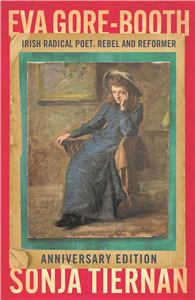 Biography & True StoriesMarch 2026
Eva Gore-Booth: Irish radical poet, rebel and reformer
Anniversary edition
by Sonja Tiernan
An acclaimed biography of poet, pacifist and political firebrand Eva Gore-Booth. The Irish poet and activist Eva Gore-Booth (1870-1926) led a life defiantly at odds with her aristocratic origins. Choosing to live and work among the poor of Manchester, she campaigned on behalf of barmaids, circus performers, flower sellers and pit-brow lasses, her partner, Esther Roper, at her side. Gore-Booth was tireless in her pursuit of justice. She was a militant pacifist during the First World War, a champion of Irish independence and a pioneering thinker on gender and sexuality. She was also a prolific author, publishing nineteen volumes of poetry and prose that reflect the full force of her radical convictions. Featuring a new preface that situates Gore-Booth's life and work in the context of our current political climate, this biography reclaims her place as a significant figure of Anglo-Irish letters and an unsung hero of LGBT+ history.
-
Trusted Partner
 Literature & Literary StudiesFebruary 2023
Imagining the Irish child
Discourses of childhood in Irish Anglican writing of the seventeenth and eighteenth centuries
by Jarlath Killeen
This book examines the ways in which ideas about children, childhood and Ireland changed together in Irish Protestant writing of the seventeenth and eighteenth centuries. It focuses on different varieties of the child found in the work of a range of Irish Protestant writers, theologians, philosophers, educationalists, politicians and parents from the early seventeenth century up to the outbreak of the 1798 Rebellion. The book is structured around a detailed examination of six 'versions' of the child: the evil child, the vulnerable/innocent child, the political child, the believing child, the enlightened child, and the freakish child. It traces these versions across a wide range of genres (fiction, sermons, political pamphlets, letters, educational treatises, histories, catechisms and children's bibles), showing how concepts of childhood related to debates about Irish nationality, politics and history across these two centuries.






