
Playwrights Canada Press
Livres Canada Books
View Rights Portal

Plastik sparen Die Geschichte einer Idee Die Idee für Plastik sparen ist im Juni 2018 entstanden. Wie schon so oft endete ein Wocheneinkauf im totalen Plastik-Inferno. Kennt ihr das? Einmal einkaufen beim Supermarkt um die Ecke und schon ist eine Mülltüte voll mit Plastik. Aber wie kann ich das ändern, fragte ich mich. Also informierte ich mich, war bei einem Vortrag zum Thema "plastikfrei leben" um dann mit dem Gefühl zurück zu bleiben, das nicht leisten zu können. Aber einfach weiter Plastik konsumieren war für mich auch keine Alternative. Es musste doch Möglichkeiten geben Plastik zu reduzieren, die Jedermann*frau ganz einfach in den Alltag einbauen kann. Und so war "Plastik sparen" geboren. Die Idee dahinter, durch viele kleine Plastik-spar-Aktivitäten den Plastikmüll in meinem Haushalt zu reduzieren. Und, ich kann sagen es funktioniert. Bei jedem Einkauf landet wesentlich weniger Plastikverpackung im Einkaufswagen als früher. Alles Aktivitäten, die keine (oder nur wenig) Zeit gekostet haben, die oftmals Geld gespart haben und die ich problemlos in den Alltag integrieren konnte. "Plastik sparen" ist unser Beitrag für eine Umwelt mit weniger Plastik. Meine Ideen, Gedanken und Erlebnisse möchte ich teilen und viele Menschen dafür begeistern, immer weniger Plastik in ihr Leben zu lassen.
View Rights Portal
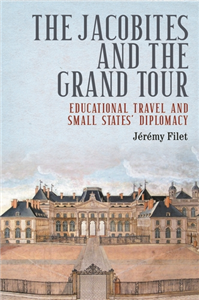
In the first monograph to fully examine the intersecting networks of Jacobites and travellers to the continent, Filet considers how small states used official diplomacy and deployed soft power - embodied by educational academies - to achieve foreign policy goals. This work uses little-known archival materials to explain how and why certain small states secretly supported the Jacobite cause during the crucial years surrounding the 1715 rising, while others stayed out of Jacobite affairs.At the same time, the book demonstrates how early modern small states sought to cultivate good relations with Britain by attracting travellers as part of a wider trend of ensuring connections with future diplomats or politicians in case a Stuart restoration never came.This publication therefore brings together a study of Britain, small states, Jacobitism, and educational travel, in its nexus at continental academies.
 Trusted Partner

A grand strategy of peace is the first detailed account of Britain's role in the creation of the United Nations Organization during the Second World War. As a work of traditional diplomatic history that brings in elements of intellectual history, the book describes how British officials, diplomats, politicians, and writers - previously seen to be secondary actors to the United States in this period - thought about, planned for, and helped to establish a future international order. While in the present day, many scholars and analysts have returned to the origins of the post- 1945 international system, this book offers an exhaustive account of how the statesmen and more importantly, the officials working below the statesmen, actually conceived of and worked to establish a post-war world order.
Trusted Partner

This novel is one of Anthony Burgess's most accessible and entertaining works. By turns bawdy, raucous, tender and bittersweet, and full of music and songs, this is a warm and affectionate portrait of the working-class Lancashire of the 1920s and 1930s that he knew from his own early life. The Pianoplayers is a funny, moving, autobiographical novel that brings to life the world of silent cinemas and music-halls of 1920s Manchester and Blackpool. Fully annotated and with a new introduction, this is an authoritative text for a new generation of readers. Part of the forthcoming Irwell Edition of the Works of Anthony Burgess, this book offers an opportunity to reappraise an unjustly neglected novel important to our understanding of Burgess's wider oeuvre. The 2017 Burgess centenary makes this a key moment for reflection on the life and work of a major figure in twentieth century letters.
Trusted Partner
Trusted Partner


This unique guide brings together the vast experience of the author with the science and the practice of positive psychology in such a way that both new and experienced practitioners will benefit. New practitioners will learn about the core concepts of character and signature strengths and how to fine-tune their approach and troubleshoot. Experienced practitioners will deepen their knowledge about advanced topics such as strengths overuse and collisions, hot button issues, morality, and integrating strengths with savoring, flow, and mindfulness. Hands-on practitioner tips throughout the book provide valuable hints on how to take a truly strengths-based approach. The 24 summary sheets spotlighting each of the universal character strengths are an indispensable resource for client sessions, succinctly summarizing the core features of and research on each strength. 70 evidence-based step-by-step activity handouts can be given to clients to help them develop character strengths awareness and use, increase resilience, set and meet goals, develop positive relationships, and find meaning and engagement in their daily lives. Working with client’s (and our own) character strengths boosts well-being, fosters resilience, improves relationships, and creates strong, supportive cultures in our practices, classrooms, and organizations. Target Group: psychotherapists / clinical psychologists / counselors/ teachers
Trusted Partner
 Trusted Partner
Trusted Partner
Trusted Partner
 Trusted Partner

This collection brings together scholars from disciplines including Children's Literature, Classics, and History to develop fresh approaches to children's culture and the uses of the past. It charts the significance of historical episodes and characters during the long nineteenth-century (1750-1914), a critical period in children's culture. Boys and girls across social classes often experienced different pasts simultaneously, for purposes of amusement and instruction. The book highlights an active and shifting market in history for children, and reveals how children were actively involved in consuming and repackaging the past: from playing with historically themed toys and games to performing in plays and pageants. Each chapter reconstructs encounters across different media, uncovering the cultural work done by particular pasts and exposing the key role of playfulness in the British historical imagination.
Trusted Partner
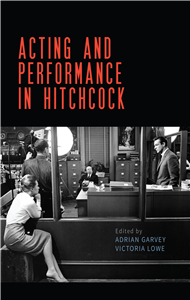
Hitchcock's professed disdain for actors is belied by the extraordinary range and depth of performances featured in his films. It might even be argued that many stars gave their richest and most complex performances in his work. Hitchcock's films are also imbued with the theme of performance, as when his fugitive men and errant women assume fragile new identities and move between roles. Actors and other performers also often feature as characters. However, the exhaustive academic literature on Hitchcock has to date produced surprisingly little work about acting and performance in his films. The collection includes contributions from a range of leading scholars on Hitchcock, performance, stardom, and British Cinema, including Charles Barr, David Greven, Mark Glancy, Lucy Bolton, Lawrence Napper and Michael Williams, and an interview with leading composers/accompanists Neil Brand and Stephen Horne on scoring performance in Silent Hitchcock.
Trusted Partner

A rich and revealing examination of the legendary pop duo Soft Cell. Soft Cell are not your average pop band. Marc Almond and Dave Ball may be best known for the string of hits they released in 1981, but the powerful first phase of their collaboration embraced a staggering array of sounds, influences and innovations that would change the face of music to come. In Bedsit land, Patrick Clarke plunges into the archives and interviews more than sixty contributors, including the band members themselves, to follow Soft Cell through the many strange and sprawling worlds that shaped their extraordinary career. They lead him from the faded camp glamour of the British seaside to the dizzying thrills of the New York club scene. From transgressive student performance art to the sleaze and squalor of pre-gentrified Soho. From the glitz of British showbiz to the drug-addled chaos of post-Franco Spain. He emerges on the other side with the most in-depth, innovative and entertaining account of the duo ever written.
Trusted Partner
Trusted Partner


Begleite Familie Knister auf ein aufregendes neues Abenteuer in „Kleine Feuerwehr. Drunter und drüber“, dem zweiten Band der beliebten Kinderbuchreihe, inspiriert von der erfolgreichen Kinder-App von Fox & Sheep. Dieses Mal erwartet die Familie Knister hochspannende Gäste aus China: eine Feuerwehrmannschaft! Doch die Überraschung ist groß, als die Besucher aus Fernost ganz anders aussehen, als man es erwartet hätte. Sind das wirklich Feuerwehrleute? Ohne gemeinsame Sprache entsteht ein buntes Durcheinander, das Familie Knister und ihre Gäste von einem verrückten Abenteuer ins nächste führt. Witzige Missverständnisse und spannende Herausforderungen warten auf die ungewöhnliche Truppe, die trotz aller Unterschiede zeigt, wie Freundschaft und Zusammenarbeit Barrieren überwinden können. Thematisiert die Begegnung zwischen unterschiedlichen Kulturen auf humorvolle Weise und hebt die Bedeutung von Offenheit und Verständnis hervor. Abenteuerliche Reise voller unerwarteter Wendungen, die Jung und Alt gleichermaßen begeistert. Integrierte Bastelbögen laden zum kreativen Spielen ein. Kinder können ihr eigenes Feuerwehrauto bauen und eine Feuerwache gestalten, um die Geschichte lebendig werden zu lassen. So lassen sich Sprachbarrieren überwinden: Charaktere finden trotz fehlender gemeinsamer Sprache Wege, miteinander zu kommunizieren und zu kooperieren. Reich illustrierte Seiten und ausklappbare Elemente fördern die Vorstellungskraft und Kreativität junger Leser. Eine Geschichte, die zeigt, wie wichtig es ist, einander zu helfen, zusammenzustehen und gemeinsam Lösungen zu finden.
Trusted Partner
Trusted Partner

 Trusted Partner
 Trusted Partner
In the late eighteenth-century, elite British women had an unprecedented opportunity to travel. Taking travel home uncovers the souvenir culture these women developed around the texts and objects they brought back with them to realise their ambitions in the arenas of connoisseurship, friendship and science. Key characters include forty-three-year-old Hester Piozzi (Thrale), who honeymooned in Italy; thirty-one-year-old Anna Miller, who accompanied her husband on a Grand Tour; Dorothy Richardson, who undertook various tours of England from the ages of twelve to fifty-two; and the sisters Katherine and Martha Wilmot, who travelled to Russia in their late twenties. The supreme tourist of the book, the political salon hostess Lady Elizabeth Holland, travelled to many countries with her husband, including Paris, where she met Napoleon, and Spain during the Peninsular War. Using a methodology informed by literary and design theory, art history, material culture studies and tourism studies, the book examines a wide range of objects, from painted fans "of the ruins of Rome for a sequin apiece" and the Pope's "bless'd beads", to lava from Vesuvius and pieces of Stonehenge. It argues that the rise of the souvenir is representative of female agency, as women used their souvenirs to form spaces in which they could create and control their own travel narratives.
Trusted Partner
Trusted Partner



