
SaltWay
In addition to trade representation for a select group of independent publishers in international markets SaltWay Global provides Rights Sales and bespoke Marketing services.
View Rights Portal
In addition to trade representation for a select group of independent publishers in international markets SaltWay Global provides Rights Sales and bespoke Marketing services.
View Rights Portal
EUCASA es la Editorial de la Universidad Católica de Salta. En su carácter de editorial universitaria, es un departamento especial en el organigrama institucional, y su misión es contribuir al cumplimiento del fin primordial de la Universidad: generar y divulgar conocimiento. En su caso por medio de las publicaciones que constituyen su catálogo, en donde se refleja necesariamente su naturaleza académica.
View Rights Portal
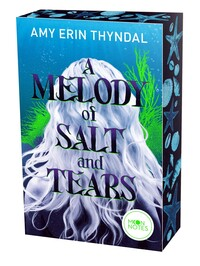
Mit wunderschönem Farbschnitt in der Erstauflage – Lieferung nach Verfügbarkeit! Liebe ist die stärkste Waffe Das Inselkönigreich Askja ist nun durch eine magische Barriere geschützt, doch der Frieden hat einen hohen Preis. Nur die Sirenen können den Schutzzauber durchqueren, weshalb Adelaide es als ihre Aufgabe ansieht, das verfeindete Kaiserreich Myredal zu überwachen. Nach dem Tod ihrer Königin stehen nicht alle Sirenen hinter dem Bündnis mit den Askjern: Der Sirenenrat fordert blutige Rache. Im verzweifelten Versuch, den drohenden Krieg abzuwenden, nimmt Adelaide den Admiral Marcus gefangen, um mehr über die Pläne Myredals zu erfahren. Dabei erfährt sie nicht nur, dass diese einen Weg gefunden haben, die Barriere zu durchqueren, sondern auch, dass selbst ein magiehassender Seemann wie er dem Zauber einer Sirene erliegen kann - und umgekehrt… Legends of Askja 2. A Melody of Salt and Tears: Eine spicy Romantasy in einer faszinierenden Fantasywelt Magie, Intrigen und verbotene Gefühle: Packende New-Adult-Romance über eine verführerische Sirene im Kampf um ihr Inselkönigreich. Zwischen Loyalität und Liebe: Bei der Schlacht gegen das Kaiserreich Myredal nimmt die Sirene Adelaide den Admiral Marcus gefangen und verliebt sich in ihn. Fesselnd und romantisch: Eine mitreißende Fantasy Romance mit den beliebten Tropes „forbidden love" und „morally grey characters“. Toll ausgestattet: Softcover mit trendig gestalteten Klappen und einem zauberhaften Lesezeichen zum Abtrennen. Band 2 der Erfolgsreihe „Legends of Askja“: Der spicy Roman begeistert alle New-Adult-Leser*innen, die gerne ihr Herz an den Feind verlieren.
 Trusted Partner
Trusted Partner
Trusted Partner

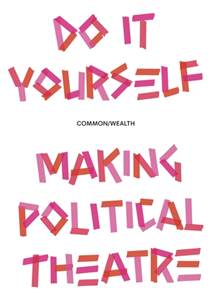
A unique guide to creating political theatre, produced by one of the UK's most exciting companies. Do It Yourself is a vital resource for anyone interested in exploring theatre culture grounded in and produced by working-class, multi-racial communities. Designed for artists, activists and community organisers, the book offers a step-by-step guide to creating political theatre that is relevant, impactful and rooted in the lives of everyday people. Common Wealth have spent fifteen years working at the cutting edge of political theatre. In Do It Yourself, they share their experimental and activist approach to performance-making, based on DIY principles and the belief that ground-breaking theatre can be made with anyone, anywhere, in ways that truly resonate with the communities it serves. Do It Yourself introduces Common Wealth's artistic and political ethos, provides unique insights into their most significant performances and offers practical exercises for creating your own work. But this is not just a manual. It is a celebration of culture as a collective endeavour, one that can challenge the status quo and inspire change.
Trusted Partner

Jack Tar to Union Jack examines the intersection between empire, navy, and manhood in British society from 1870 to 1918. Through analysis of sources that include courts-martial cases, sailors' own writings, and the HMS Pinafore, Conley charts new depictions of naval manhood during the Age of Empire, a period which witnessed the radical transformation of the navy, the intensification of imperial competition, the democratisation of British society, and the advent of mass culture. Jack Tar to Union Jack argues that popular representations of naval men increasingly reflected and informed imperial masculine ideals in Victorian and Edwardian Britain. Conley shows how the British Bluejacket as both patriotic defender and dutiful husband and father stood in sharp contrast to the stereotypic image of the brave but bawdy tar of the Georgian navy. This book will be essential reading for students of British imperial history, naval and military history, and gender studies.
Trusted Partner

In François Truffaut's opinion The Innocents was 'the best English film after Hitchcock goes to America'. Tennessee Williams said of The Great Gatsby: 'a film whose artistry even surpassed the original novel'. The maker of both films was Jack Clayton, one of the finest English directors of the post-war era and perhaps best remembered for the trail-blazing Room at the Top which brought a new sexual frankness and social realism to the British screen. This is the first full-length critical study of Clayton's work. The author has been able to consult and quote from the director's own private papers which illuminate Clayton's creative practices and artistic intentions. In addition to fresh analyses of the individual films, the book contains new material on Clayton's many unrealised projects and valuably includes his previously unpublished short story 'The Enchantment' - as poignant and revealing as the films themselves. This is a personal and fascinating account of the career and achievement of an important, much-loved director that should appeal to students and film enthusiasts.
Trusted Partner
Trusted Partner
Trusted Partner
Trusted Partner


"Der vorliegende Band enthält eine Reihe von Fallstudien, die die Nutzung der Literalität in traditionalen Gesellschaften illustrieren; es werden nicht nur Gesellschaften untersucht, in denen es seit langem eine partielle Literalität gibt, die Untersuchung bezieht sich auch auf den Einfluß der Schrift in nicht-literalen Gesellschaften. Zusätzlich zu den Fallstudien enthält der Band die inzwischen berühmt gewordene Studie von Jack Goody und lan Watt über »Konsequenzen der Literalität«."
Trusted Partner

Hyde Park (1632) is one of the best-loved comedies of James Shirley, considered to be one of the most important Caroline dramatists. The play showcases strong female characters who excel at rebuking the outlandish courtship of various suitors. Shirley's comic setting, London's Hyde Park, offers ample opportunity for witty dialogue. This is the first critical edition of the play, including a wide-ranging introduction and extensive commentary and textual notes. Paying special attention to the culture of Caroline London and its stage, the volume unpicks Shirley's politics of courtship and consent while also underlining the play's dynamics of class and power. A detailed performance history traces productions from 1632, across the Restoration to the present day, including that of the Royal Shakespeare Company in 1987. A textual history of the play's first quarto determines how it was printed and what relationship Hyde Park has to other texts by Shirley.
Trusted Partner

Hyde Park (1632) is one of the best-loved comedies of James Shirley, considered to be one of the most important Caroline dramatists. The play showcases strong female characters who excel at rebuking the outlandish courtship of various suitors. Shirley's comic setting, London's Hyde Park, offers ample opportunity for witty dialogue and sport - including foot and horse races - across three love plots. This is the first critical edition of the play, including a wide-ranging introduction and extensive commentary and textual notes. Paying special attention to the culture of Caroline London and its stage, the Revels Plays edition unpicks Shirley's politics of courtship and consent while also underlining the play's dynamics of class and power. A detailed performance history traces productions from 1632, across the Restoration to the present day, including that of the Royal Shakespeare Company in 1987. A textual history of the play's first quarto determines how it was printed and what relationship Hyde Park has to other texts by Shirley from the same publishers.
Trusted Partner
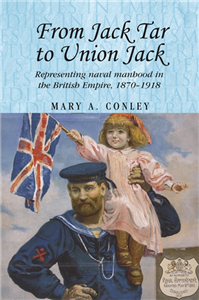
Jack Tar to Union Jack examines the intersection between empire, navy, and manhood in British society from 1870 to 1918. Through analysis of sources that include courts-martial cases, sailors' own writings, and the HMS Pinafore, Conley charts new depictions of naval manhood during the Age of Empire, a period which witnessed the radical transformation of the navy, the intensification of imperial competition, the democratisation of British society, and the advent of mass culture. Jack Tar to Union Jack argues that popular representations of naval men increasingly reflected and informed imperial masculine ideals in Victorian and Edwardian Britain. Conley shows how the British Bluejacket as both patriotic defender and dutiful husband and father stood in sharp contrast to the stereotypic image of the brave but bawdy tar of the Georgian navy. This book will be essential reading for students of British imperial history, naval and military history, and gender studies. ;
Trusted Partner
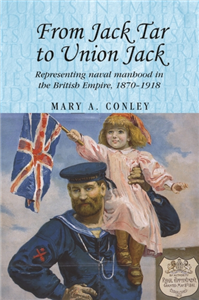
Jack Tar to Union Jack examines the intersection between empire, navy, and manhood in British society from 1870 to 1918. Through analysis of sources that include courts-martial cases, sailors' own writings, and the HMS Pinafore, Conley charts new depictions of naval manhood during the Age of Empire, a period which witnessed the radical transformation of the navy, the intensification of imperial competition, the democratisation of British society, and the advent of mass culture. Jack Tar to Union Jack argues that popular representations of naval men increasingly reflected and informed imperial masculine ideals in Victorian and Edwardian Britain. Conley shows how the British Bluejacket as both patriotic defender and dutiful husband and father stood in sharp contrast to the stereotypic image of the brave but bawdy tar of the Georgian navy. This book will be essential reading for students of British imperial history, naval and military history, and gender studies.
Trusted Partner
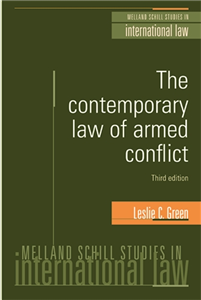
Green's The contemporary law of armed conflict has been acclaimed as one of the most significant works on the law of armed conflict to appear in recent years. The first edition was adopted as a basic text by military institutions and educational establishments throughout the world and is among the most comprehensive and readable works on the subject. This new edition brings the work up to date, examining the significance of the World Court's Opinion on the legality of the nuclear weapon. It also considers the importance of such matters as the laser weapon agreement, the mines treaty and the jurisprudence of the two war crimes tribunals, that for the former Yugoslavia as well as for Rwanda, and assesses the role of the proposed International Criminal Court as it may affect the law of armed conflict. The book applies a practical as well as a theoretical approach, and draws on an extensive range of national and international practice. It is thus an indispensable reference for the armed forces and government defence organizations, as well as academics and students interested in the modern law of war. ;
Trusted Partner

Gibt es ein bestimmtes Jahr oder einen bestimmten Ort im Leben eines Menschen, der sich im Laufe der Zeit als der wichtigste erweisen wird? Für den dänischen Lyriker und Essayisten Søren Ulrik Thomsen liegt dieser Ort in Kopenhagen, in der Store Kongensgade 23. Voller Erwartung zieht er 1972, er ist 16, mit der Familie vom Land in die Großstadt, bereit für alles, was vor ihm liegt: Kultur, die erste Liebe, die Anfänge des Schreibens. Gleichzeitig leidet seine Mutter an einer schweren Depression mit langen Aufenthalten in psychiatrischen Kliniken. In dieser Spannung zwischen Glück und Unglück, zwischen Aufbruch und Rückzug denkt Thomsen in elegischer, rhythmischer Prosa über das Leben nach, darüber, warum man schreibt, über die Angst vor dem Alter. Und über eine Wohnung, in der er nur ein Jahr lang wohnte, die für ihn aber, obwohl sie der Vergangenheit angehört, der Ort ist, von dem seine ganze Zukunft ausgehen wird.
Trusted Partner

 Trusted Partner
 Trusted Partner
Revolutionäres Vorbild, Internationalist und Kosmopolit, Theoretiker, Philosoph, Schriftsteller, Politiker, Liebhaber, Ehemann, Vater, Jude, Feind und verfolgtes Opfer. Leo Trotzki, einer der bedeutendsten politischen Führer der ersten Hälfte des 20. Jahrhunderts, war von schillernder Gestalt. Der 1879 in der Südukraine als Lew Dawidowitsch Bronstein geborene hat den Grundstein zur Gründung der Sowjetunion gelegt, und wird doch immer wieder unterschlagen, wenn die führenden Köpfe der russischen Revolution genannt werden. Zusammen mit Lenin stand er, der Gründer der Roten Armee, 1917 an der Spitze der Oktoberrevolution. Als Volkskommissar war er unter anderem verantwortlich für das Kriegs- und Verlagswesen. Trotzki war nicht nur politischer Führer, sondern auch produktiver Schriftsteller und begnadeter Redner. Fragen nach Kultur und Alltagsleben waren ihm ebenso wichtig wie Politik und Geschichte. Der Aufstieg der Stalinfraktion nach Lenins Tod 1924 führte zu seinem Ausschluß aus den politischen Führungspositionen und schließlich zu seiner Verbannung 1929. Im Jahr 1940 wurde Trotzki in Mexiko-City von einem GPU-Agenten mit einem Eispickel erschlagen. Robert Service, Professor für Russische Geschichte und Spezialist für Russische Revolutionsgeschichte, hat viele Jahre unveröffentlichtes Archivmaterial gesichtet und mit seiner packenden Biographie nicht nur das Bild eines der brillantesten politischen Köpfe der Revolution gezeichnet, sondern sich – unparteiisch und unverfälscht – auch mit der überfälligen Debatte um das Verhältnis zwischen Trotzki und Stalin auseinandergesetzt.
Trusted Partner
Penny politics offers a new way to read early Victorian popular fiction such as Jack Sheppard, Sweeney Todd, and The Mysteries of London. It locates forms of radical discourse in the popular literature that emerged simultaneously with Brittan's longest and most significant people's movement. It listens for echoes of Chartist fiction in popular fiction. The book rethinks the relationship between the popular and political, understanding that radical politics had popular appeal and that the lines separating a genuine radicalism from commercial success are complicated and never absolute. With archival work into Newgate calendars and Chartist periodicals, as well as media history and culture, it brings together histories of the popular and political so as to rewrite the radical canon.



