
China Books
Latest popular China books with rights sold.
View Rights Portal

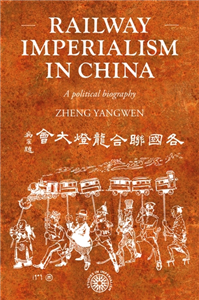
Railway Imperialism in China: a Political Biography is the first and most comprehensive book on history and politics of all major railways in China from the late Qing to the post-Mao era. It investigates the transformation of railways from a bête noire within discussions about reform to the emblematic "engines for empire" as foreign powers used it to carve outspheres of control and exploit the late Qing, and as an instrument of nation making for Chinese regimes. The book introduces new archival sources and a wide range of secondary materials. Boldly conceived, it situates the making of modern China in the context of British, Russian, German, Japanese, American expansion. It traces China's transformation from a victim of railway imperialism in the Age of Empireto a railway expansionist in the twenty-first century.
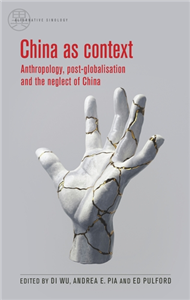
Decades-old calls to promote the significance of China for anthropological theory and the social sciences more generally ring more urgently today given China's importance to social, political and economic life globally. Yet Chinese-grounded ideas remain marginal to the discipline, and scholarly discussions retain a sense of China as an 'Other' apart from the 'real' world, and thus unsuitable or generating widely applicable theoretical ideas. Inspired by East Asian postcolonial scholarship, this volume tackles this unsettling situation head-on, arguing that without taking China seriously as a powerful agent, a locus of knowledge production, and a new discursive topos of an emerging post-global imaginary, anthropologists and other social scientists may fail to adequately analyse the global present and make sense of both the material and immaterial forces that animate it, wherever and however they work. Amid the end of Western globalisation and shifting anthropological understandings of relations between ethnography and theory, we show how 'China' must be understood as the ordinary 'context' for anthropological research practices worldwide.
 Trusted Partner

This is a study of Britain's presence in China both at its peak, and during its inter-war dissolution in the face of assertive Chinese nationalism and declining British diplomatic support. Using archival materials from China and records in Britain and the United States, the author paints a portrait of the traders, missionaries, businessmen, diplomats and settlers who constituted "Britain-in-China", challenging our understanding of British imperialism there. Bickers argues that the British presence in China was dominated by urban settlers whose primary allegiance lay not with any grand imperial design, but with their own communities and precarious livelihoods. This brought them into conflict not only with the Chinese population, but with the British imperial government. The book also analyzes the formation and maintenance of settler identities, and then investigates how the British state and its allies brought an end to the reign of freelance, settler imperialism on the China coast. At the same time, other British sectors, missionary and business, renegotiated their own relationship with their Chinese markets and the Chinese state and distanced themselves from the settler British.
Trusted Partner
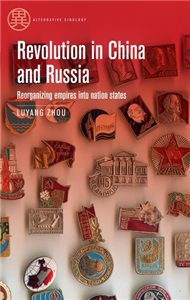
Most scholars believe that China's nationality policy, like that of other socialist states, imitated the Soviet nationality model, a system which has been termed an "affirmative action empire." This book offers two contributions to the literature which run counter to this convention. First, it argues that the People's Republic of China (PRC) and the Soviet Union (USSR) were different; while the PRC was aimed to build an ideal-typical nation-state, the USSR was an open union of nation-states that was only temporarily confined to a physical territory. Second, while scholars who have noted this difference attribute it to contextual factors, such as ethnic structure, geopolitical status, and Russia's intervention into the Chinese Revolution, this book contends that context shaped the Sino-Soviet difference, yet it did not determine it. Rather, there was significant leeway between the implications of the contextual factors, and what the policy-designers ultimately established. This book probes who held agency, and how these individuals bridged this gap.
Trusted Partner

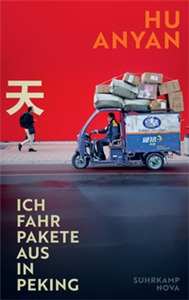
In den zwanzig Jahren nach seinem Highschool-Abschluss hatte Hu Anyan neunzehn verschiedene Jobs. Er arbeitete unter anderem als Verkäufer im 24h-Markt, als Fahrradmechaniker, Pakete-Kurier, Sicherheitsmann, im Logistikzentrum, der Tankstelle, der Kantinenküche. Er zog von einer chinesischen Großstadt zur nächsten, jedes Mal weiter, wenn die Arbeit unerträglich und der Boss zu bossy wurde, und richtete sich wieder in einem winzigen Zimmer ein, mit nicht mehr als seinen zerlesenen Ausgaben von Tschechow und Carver. Von der Psychologie der Hackordnung in einer gigantischen Sortierhalle für Pakete über die kafkaeske Bürokratie der Personalabteilungen bis hin zur idealen Gestaltung einer Lieferroute – mit aufrichtiger Neugier und trockenem Humor erzählt Hu Anyan unerhörte Geschichten der Menschlichkeit vor dem Hintergrund größter Schinderei. Ich fahr Pakete aus in Peking ist ein intimer Bericht über ein Leben als Niedriglohnarbeiter in den anonymen Megastädten des heutigen China. Und gibt zum ersten Mal den Blick frei auf die Massen, die von den gesellschaftlichen Realitäten, von der Art des Wirtschaftens, von der Staatsgewalt, an den Rand, in die Armut, ins Vergessen gedrängt werden.
Trusted Partner

 Trusted Partner
Trusted Partner
Trusted Partner
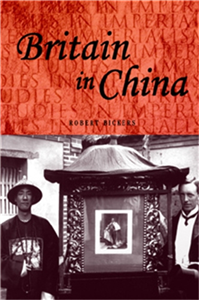
This is a study of Britain's presence in China both at its peak, and during its inter-war dissolution in the face of assertive Chinese nationalism and declining British diplomatic support. Using archival materials from China and records in Britain and the United States, the author paints a portrait of the traders, missionaries, businessmen, diplomats and settlers who constituted "Britain-in-China", challenging our understanding of British imperialism there. Bickers argues that the British presence in China was dominated by urban settlers whose primary allegiance lay not with any grand imperial design, but with their own communities and precarious livelihoods. This brought them into conflict not only with the Chinese population, but with the British imperial government. The book also analyzes the formation and maintenance of settler identities, and then investigates how the British state and its allies brought an end to the reign of freelance, settler imperialism on the China coast. At the same time, other British sectors, missionary and business, renegotiated their own relationship with their Chinese markets and the Chinese state and distanced themselves from the settler British. ;
Trusted Partner
Urbansky und Wagner – zwei ausgewiesenen Kennern der beiden Länder – erzählen die wechselvolle Geschichte vielschichtiger Verbindungen, denen sich China und Russland niemals entziehen konnten. Als imperiale Großreiche, sozialistische Supermächte und autoritäre Gewaltregime glichen und verglichen sie sich, sie konkurrierten und kooperierten. China und Russland können sich nicht aus dem Weg gehen und marschieren doch nicht im Gleichschritt. Über das Verhältnis zwischen China und Russland wird viel spekuliert. Einerseits befürchten Beobachter:innen ein Bündnis der autoritären Regime. Andererseits widersprechen sich die geopolitischen Interessen Pekings und Moskaus oftmals. Auf der einen Seite nennen sich Xi Jinping und Wladimir Putin »gute Freunde«. Auf der anderen Seite ist unklar, ob die Länder sich auf Augenhöhe begegnen und wie sich die Machtbalance verschoben hat. Um die chinesisch-russischen Beziehungen im 21. Jahrhundert angemessen einzuordnen, muss man ihre lange Vergangenheit verstehen. Die Historiker Sören Urbansky und Martin Wagner führen in die vierhundertjährige Geschichte der beiden Nachbarn ein: von den ersten offiziellen Kontakten 1618 über das Zerwürfnis der beiden kommunistischen Regime unter Chruschtschow und Mao bis hin zu Chinas Reaktion auf Russlands Krieg in der Ukraine 2022.
Trusted Partner

Die Faszination für die Kultur, Literatur und Philosophie Chinas hat Hermann Hesse zeitlebens begleitet. So durchziehen chinesische Motive, Einflüsse des Taoismus, des Konfuzianismus und des chinesischen Zen sein komplettes Werk, von Gedichten über Märchen und Erzählungen, Betrachtungen und Lektüreempfehlungen bis hinein in seinen großen Roman Das Glasperlenspiel. Dieses Lesebuch versammelt die wichtigsten und schönsten Märchen, Erzählungen und Betrachtungen von Hermann Hesse mit chinesischen Motiven sowie seine essayistischen und literaturkritischen Publikationen und zeigt ihn als großen Kenner der chinesischen Kultur, Literatur und Philosophie. »Wir müssen China, oder das, was es uns bedeutet, in uns selbst finden.« Hermann Hesse
Trusted Partner
Joseph Needhams monumentales Standardwerk Wissenschaft und Zivilisation in China gibt dem westlichen Leser eine detaillierte und zusammenhängende Darstellung der chinesischen Wissenschaft und Technik seit frühester Zeit bis zum späten 17. Jahrhundert, als die jesuitischen Missionare die moderne europäische Wissenschaft nach China brachten.
Trusted Partner

Robert Pendleton ist ein Chemiegenie; was er entwickelt, bedeutet nicht nur Fortschritt, es bedeutet vor allem Reichtum und Macht. Als er plötzlich verschwindet, sind alle in Aufruhr: die CIA, die chinesische Regierung und die »Bank«, die sehr viel Geld in Pendletons Forschung investiert hat. Neal Carey soll ihn wiederfinden – ein Routinejob, wie er glaubt, bis er auf die schöne und geheimnisvolle Li Lan trifft. Im dunklen Herzen Chinas soll Neal die Antwort auf alle Fragen finden – oder den Tod. Alle Titel der Neal-Carey-Serie: London Undercover (Neal Carey 1)China Girl (Neal Carey 2)Way Down on the High Lonely (Neal Carey 3 – angekündigt unter dem Titel Holy Nevada)A Long Walk Up the Water Slide (Neal Carey 4 – angekündigt unter dem Titel Lady Las Vegas)Palm Desert (Neal Carey 5)
Trusted Partner
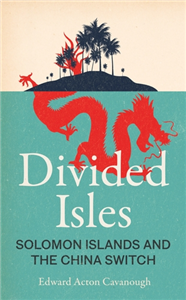
In 2019, Solomon Islands made international headlines when the country severed its decades-old alliance with Taiwan in exchange for a partnership with Beijing. The decision prompted international condemnation and terrified Australian security experts, who feared Australia's historical Pacific advantage would come unstuck. This development is often framed as another example of China's inevitable capture of the region - but this misrepresents how and why the decision was made, and how Solomon Islanders have skilfully leveraged global angst over China to achieve extraordinary gains. Despite Solomon Islands' importance to Australia, local readers know little about the country, a fragile island-nation stretching over a thousand islands and speaking seventy indigenous languages. In Divided Isles, Edward Cavanough explains how the switch played out on the ground and its extraordinary potential consequences. He speaks with the dissidents and politicians who shape Solomon Islands' politics, and to the ordinary people whose lives have been upended by a decision that has changed the country - and the region - forever.
Trusted Partner
Trusted Partner

Katja wächst als Tochter russisch-britischer Emigranten in Tientsin in China auf. Es sind die 1940er Jahre und später, die Spuren von Krieg und Gewalt überall spürbar. Als junges Mädchen wird sie die Entscheidung treffen, fortan in der Sowjetunion zu leben, und reist mit dem Zug nach Taschkent. Während draußen Schnee und Landschaft vorbeiziehen, wallen in ihr die Erinnerungen an das privilegierte Leben in der ausländischen Konzession auf, an die Wunder und Wunderlichkeiten, die Drachen, Stoffe, Texturen, an das oft rätselhafte Verhalten der Erwachsenen, deren Leben von der Geschichte durchgewirbelt wurde. Und dann ist da noch der Erzähler, der die sanften, auch absonderlichen Bilder jener russischen Kindheit in China immer wieder mit der eigenen im trüben sowjetischen Plattenbau verschaltet, als die Moskauer »Patriarchenteiche« gerade zu »Pionierteichen« geworden waren. In seinem letzten Roman erforscht Dmitri Prigow den fremden Kontinent einer Kindheit und birgt die kindliche Wahrnehmung, Welterfahrung, in wunderbar zarte poetische Bilder.
Trusted Partner
Law across imperial borders offers new perspectives on the complex legal connections between Britain's presence in Western China in the western frontier regions of Yunnan and Xinjiang, and the British colonies of Burma and India. Bringing together a transnational methodology with a social-legal focus, it demonstrates how inter-Asian mobility across frontiers shaped British authority in contested frontier regions of China. It examines the role of a range of actors who helped create, constitute and contest legal practice on the frontier-including consuls, indigenous elites and cultural mediators. The book will be of interest to historians of China, the British Empire in Asia and legal history.
Trusted Partner

Wohin steuert die Welt? Die internationale politische und wirtschaftliche Ordnung sowie deren Erklärungsmodelle sind durch eine Krisenkaskade erschüttert worden, die mit Putins Angriff auf die Ukraine ihre Klimax erreicht hat. Vor diesem Hintergrund identifiziert der renommierte Politikwissenschaftler Ulrich Menzel die Wendepunkte einer Welt in Aufruhr. Die Globalisierung ist entzaubert, die USA und China ringen um die Hegemonie. Wir erleben eine Rückkehr alter Grenzen, der Anarchie der Staatenwelt, des Autoritären (weltweit und in den liberalen Gesellschaften), ja sogar des Krieges in Europa. Stehen wir am Übergang vom liberalen amerikanischen zum autoritären chinesischen Jahrhundert? Wie soll sich Europa, wie soll sich Deutschland in dieser Übergangsphase positionieren?
Trusted Partner

Die in diesem Band vereinigten Arbeiten Joseph Needhams stehen in enger thematischer Beziehung zu seinem Hauptwerk »Science and the Civilisation in China«, der ersten maßgeblichen Gesamtdarstellung des chinesischen Beitrags zur Universalgeschichte von Wissenschaft und Technik. Needham begreift das Zustandekommen der neuzeitlichen Wissenschaft als einen universalen Vorgang, zu dessen Entstehen Beiträge aus vielen Zivilisationen zusammenkommen mußten, der aber erst durch die Entdeckung und sozio-kulturellen Neuausrichtung im Europa der Renaissance die für ihn bestimmende Dynamik erhielt. »Wissenschaftlicher Universalismus« als konkretes Forschungsprogramm zielt demnach ebenso auf die Beschreibung einzelner Komponenten wie auf eine Kennzeichnung des Milieus, innerhalb dessen eine Kombination der Einzelteile des Unternehmens »moderne Wissenschaft« in Gang setzte. Wenn der Durchbruch zur modernen Wissenschaft allein in Europa gelang, in anderen Kulturen dazu aber die kognitiven Vorraussetzungen genauso vorhanden waren, dann müssen, folgert Needham, sozio-kulturelle Unterschiede die entscheidenden Hemm- bzw. Beschleunigungsfaktoren bezeichnen.
Trusted Partner
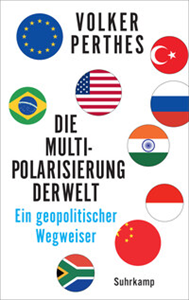
Die weitgehend friedliche oder zumindest übersichtliche Weltordnung der langen 1990er Jahre ist Vergangenheit: Weder internationale Organisationen noch die vormalige alleinige Supermacht USA können heute militärische Konflikte wie in der Ukraine eindämmen. Der Westen wirkt gespalten. Neue Mächte betreten die Bühne, Handelskriege stellen exportorientierte Staaten wie die Bundesrepublik vor Probleme. Volker Perthes, ehemaliger UN-Diplomat und langjähriger Direktor der Stiftung Wissenschaft und Politik, bietet mit seinem Essay Einordnung und Überblick. Wir leben in einer von Multipolarisierung geprägten Zeit. Nach dem Kalten Krieg und der Pax Americana dominieren heute fünf starke Pole die Weltpolitik, neben den USA und China auch die EU, Russland und Indien. Regionale Mittelmächte, das zeigt Perthes an den Beispielen Naher Osten und Südostasien, können diese großen Akteure gegeneinander ausspielen und ihre eigene nahe Umwelt durchaus gestalten. In dieser Lage muss die EU ihre Handlungsfähigkeit stärken, wenn sie nicht zwischen anderen Polen polarisiert werden will.
Trusted Partner
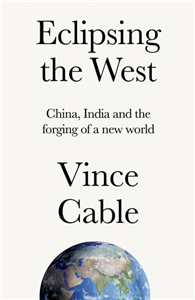
As the international order begins to crumble, this incisive book asks what the rise of the Asian superstates means for the future. The Western-dominated world we have known for the past three hundred years is coming to an end. As America withdraws from its role as enforcer of the international order, other countries are moving in to fill the void. Among them are two rising Asian 'superstates'. Accounting for almost half of the world's population, China and India have the potential to wield enormous economic and political power. China is already vying with the US for the top spot in the global economy, and on some measures has surpassed it. By the middle of the century India may be number two. How will these countries navigate their growing roles on the world stage? What are the implications for commerce, international law and the fight against climate change? Vince Cable has followed China and India for decades, first as a professional economist and later as a senior government minister. In Eclipsing the West he draws on the latest data and a lifetime of political and economic experience to offer a compelling account of what the rise of the Asian superstates means for the future.



