
Studies in Photography
Publishing, books, journals and photographic prints
View Rights Portal

WE HAVE BOOKS IN ENGLISH AND IN PORTUGUESE AND YOU CAN TRANSLATE THEM FOR YOUR LANGUAGE.
View Rights Portal
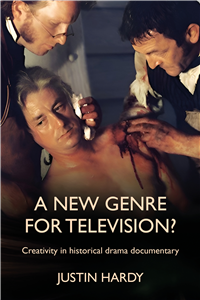
In A New Genre for Television?, filmmaker Justin Hardy argues the dramatised history documentaries broadcast by British public service channels in the 2000s constituted a distinct television genre. Offering a vital distinction between docudramas and drama documentaries, Hardy contributes to the field of television history through exclusive interviews with key figures from BBC and Channel 4 - many of whom have never been publicly interviewed before - and envisions a future model for the portrayal of national histories on screen.
 Trusted Partner

Popular television drama: critical perspectives' is a collection of essays examining landmark programmes of the last forty years, from 'Doctor Who' to 'The Office', and from 'The Demon Headmaster' to 'Queer As Folk'. Contributions from prominent academics focus on the full range of popular genres, from sitcoms to science fiction, gothic horror and children's drama, and challenge received wisdom by reconsidering how British television drama can be analysed. Each section is preceded by an introduction in which the editors discuss how the essays address existing problems in the field and also suggest new directions for study. The book is split into three sections, addressing the enduring appeal of popular genres, the notion of 'quality' in television drama, and analysing a range of programmes past and present. Popular television drama: critical perspectives will be of interest to students and researchers in many academic disciplines that study television drama. Its breadth and focus on popular programmes will also appeal to those interested in the shows themselves.
Trusted Partner

Gothic television is the first full length study of the Gothic released on British and US television. An historical account, the book combines detailed archival research with analyses of key programmes, from Mystery and Imagination and Dark Shadows, to The Woman in White and Twin Peaks, and uncovers an aspect of television drama history which has, until now, remained critically unexplored. While some have seen television as too literal or homely a medium to successfully present Gothic fictions, Gothic television argues that the genre, in its many guises, is, and has always been, well-suited to television as a domestic medium, given the genre's obsessions with haunted houses and troubled families. This book will be of interest to lecturers and students across a number of disciplines including television studies, Gothic studies, and adaptation studies, as well as to the general reader with an interest in the Gothic, and in the history of television drama.
Trusted Partner

Looking at contemporary film and television, this book explores how popular genres frame our understanding of on-screen performance. Previous studies of screen performance have tended to fix upon star actors, directors, or programme makers, or they have concentrated upon particular training and acting styles. Moving outside of these confines, this book provides a truly interdisciplinary account of performance in film and television and examines a much neglected area in our understanding of how popular genres and performance intersect on screen. Each chapter concentrates upon a particular genre or draws upon generic case studies in examining the significance of screen performance. Individual chapters examine contemporary film noir, horror, the biopic, drama-documentary, the western, science fiction, comedy performance in 'spoof news' programmes and the television 'sit com' and popular Bollywood films.
Trusted Partner
Trusted Partner
Public issue television is a major contribution to understanding the relationship between television, politics and society. Based on full access to the archives, it offers a fascinating historical account of how one television series, Granada's World in Action, celebrated for its tough journalism, visual directness and public impact, functioned and developed over its run across 35 years between 1963 and 1998. In a succession of chapters looking at different periods in the series' development and at key dimensions of its distinctive identity, it gets deep inside the making of factual television and examines how a particular culture of production works within broader conditions of possibility and constraint. In particular, it charts the interwoven processes of change - technological, professional, aesthetic, institutional, economic, social and political. As well as discussing achievement and success, it examines the tensions, the debates and open conflicts that formed part of the context within which the series was made and transmitted across four decades. ;
Trusted Partner
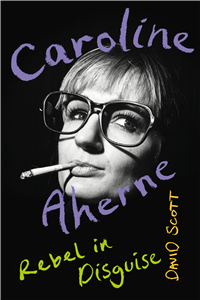
A thoughtful exploration of the work of this unique comedian and writer. Caroline Aherne was one of the most influential and beloved of British comedians. In this book David Scott explores Aherne's comedic artistry and creative legacy, focusing on her iconic characters and ground-breaking TV shows. Scott dives into Aherne's most beloved creations, from the sharp-tongued Mrs Merton to the quietly revolutionary The Royle Family. Drawing on the tales of collaborators and telling behind-the-scenes stories, he provides an intimate glimpse into the creative processes that brought these iconic works to life. At the same time, he examines the social and cultural influences that shaped Aherne's work, from the rich traditions of Northern working-class humour to the experiences of Irish migrants. Aherne's work is celebrated for its sharp wit, warmth and ability to find comedy in adversity. This book offers an exploration and celebration of one of comedy's most inventive minds, revealing how she reshaped the British comedy landscape.
Trusted Partner
Trusted Partner

Vom Aufkommen der Videotechnik Mitte der sechziger Jahre bis heute hat sich ein breitgefächertes Feld der Videopraxis etabliert. Es nimmt seinen Ausgang in der Auseinandersetzung mit den Parallelmedien Fernsehen und Performance und entwickelt im Rahmen der Formatvorgaben von Videoband, Videoinstallation und Videoperformance ein eigenes ästhetisches Vokabular. Dieses zeichnet sich durch Übergänge zur Installation, zum Happening und zu multimedialen, hypermedialen und interaktiven Präsentationsformen aus. Yvonne Spielmann fragt in ihrer detaillierten Studie nach dem Stellenwert von Video in technologischer, ästhetischer und medienkultureller Perspektive und vertritt die These, daß Video ein eigenständiges Medium darstellt und nicht etwa ein Zwischenstadium, das mit der Einführung digitaler Technologien obsolet würde. Der vorliegende Band bietet einen Überblick über die Theorie und Geschichte der Videokunst und stellt daher ein Kompendium dieser für die Kunst der Gegenwart maßgeblichen Medienform dar.
Trusted Partner
Trusted Partner
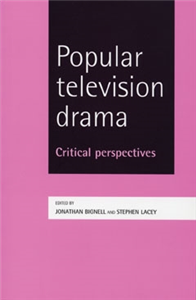
'Popular television drama: critical perspectives' is a collection of essays examining landmark programmes of the last forty years, from 'Doctor Who' to 'The Office', and from 'The Demon Headmaster' to 'Queer As Folk'. Contributions from prominent academics focus on the full range of popular genres, from sitcoms to science fiction, gothic horror and children's drama, and challenge received wisdom by reconsidering how British television drama can be analysed. Each section is preceded by an introduction in which the editors discuss how the essays address existing problems in the field and also suggest new directions for study. The book is split into three sections, addressing the enduring appeal of popular genres, the notion of 'quality' in television drama, and analysing a range of programmes past and present. Popular television drama: critical perspectives will be of interest to students and researchers in many academic disciplines that study television drama. Its breadth and focus on popular programmes will also appeal to those interested in the shows themselves. ;
Trusted Partner

Entertaining television challenges the idea that the BBC in the 1950s was elitist and 'staid', upholding Reithian values in a paternalistic, even patronising way. By focusing on a number of (often controversial) programme case studies - such as the soap opera, the quiz/ game show, the 'problem' show and programmes dealing with celebrity culture - Su Holmes demonstrates how BBC television surprisingly explored popular interests and desires. She also uncovers a number of remarkable connections with programmes and topics at the forefront of television today, ranging from talk shows, 'Reality TV', even to our contemporary obsession with celebrity. The book is iconclastic, percipient and grounded in archival research, and will be of use to anyone studying television history. ;
Trusted Partner

Throughout its history, British television has found a place, if only in its margins, for programmes that consciously worked to expand the boundaries of television aesthetics. Even in the present climate of increased academic interest in television history, its experimental tradition has generally either been approached generically or been lost within the assumption that television is simply a mass medium. Avaible for the first time in paperback, Experimental British television uncovers the history of experimental television, bringing back forgotten programmes in addition to looking at relatively more privileged artists or programme strands from fresh perspectives. The book therefore goes against the grain of dominant television studies, which tends to place the medium within the flow of the 'everyday', in order to scrutinise those productions that attempted to make more serious interventions within the medium.
Trusted Partner
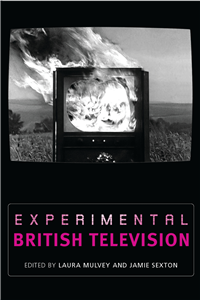
Throughout its history, British television has found a place, if only in its margins, for programmes that consciously worked to expand the boundaries of television aesthetics. Even in the present climate of increased academic interest in television history, its experimental tradition has generally either been approached generically or been lost within the assumption that television is simply a mass medium. Avaible for the first time in paperback, Experimental British television uncovers the history of experimental television, bringing back forgotten programmes in addition to looking at relatively more privileged artists or programme strands from fresh perspectives. The book therefore goes against the grain of dominant television studies, which tends to place the medium within the flow of the 'everyday', in order to scrutinise those productions that attempted to make more serious interventions within the medium. ;
Trusted Partner

This lively and ground-breaking collection brings together work on forms of popular television within the authoritarian regimes of Europe after World War Two. Ten chapters based on new and original research examine approaches to programming and individual programmes in Spain, Greece, Czechoslovakia, Romania, the USSR and the GDR at a time when they were governed as dictatorships or one-party states. Drawing on surviving archives, scripts and production records, contemporary publications, YouTube clips and interviews with producers and performers, its chapters recover examples of television programming history unknown beyond national borders and often preserved largely in the memories of the audiences who lived with them. The introduction examines how television can be considered 'popular' in circumstances where audience appeal is often secondary to the need for state control. Published in English, Popular television in authoritarian Europe represents a significant intervention in transnational television studies, making these histories available to scholars for the first time, encouraging comparative enquiry and extending the reach - intellectually and geographically - of European television history. There is a foreword by John Corner and an informative timeline of events in the history of television in the countries covered. ;
Trusted Partner
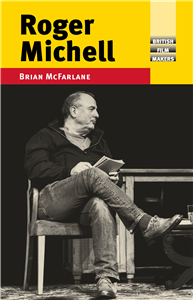
This book offers the first serious critical study of Roger Michell's career as a filmmaker. Best known for Notting Hill, Michell brought a distinctive sensitivity to his work in both the UK and the US, across genres ranging from romantic comedy to historical drama. While Michell had success in theatre and television, the focus here is on his twenty-year career in film and the particular qualities he brought to adaptation and character-driven storytelling. The book explores his handling of relationships and place, from the quiet emotional detail of Persuasion to the observational humour of The Duke, and highlights his ability to subvert narrative conventions through careful attention to mood, tone and performance. McFarlane's study positions Michell as a perceptive and underappreciated figure in contemporary British cinema, whose work continues to reward close viewing.
Trusted Partner
Trusted Partner
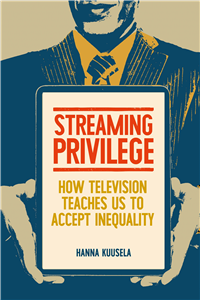
Streaming Privilege examines how today's serial television plays a powerful role in legitimating the 'new Gilded Age' of extreme inequality. Through a sharp cultural analysis, the book reveals popular culture's obsession with wealth and dynastic families - and how it helps to sustain economic divides. Focusing on four major series - Downton Abbey, The Crown, Succession and Yellowstone - the book explores what today's most-watched television dramas reveal about contemporary attitudes toward wealth. At the heart of the book is a concern with the intersection of family, wealth and morality. As dynastic structures once again dominate economy, stories of wealthy families offer a cultural lens through which audiences make sense of economic disparities. The book shows how television does not merely reflect inequality but actively shapes our understandings of it. Streaming Privilege is essential reading for scholars and students in media studies, cultural studies and economic sociology - as well as for general readers interested in how popular culture influences our perceptions of inequality.
Trusted Partner

This book examines the television serials created by influential showrunner David Simon. The book argues that Simon's main theme is the state of the contemporary American city and that all of his serials (barring one about the Iraq War) explore different facets of the metropolis. Each series offers distinctly different visions of the American city, but taken together they represent a sustained and intricate exploration of urban problems in modern America. From deindustrialisation in The Wire and residential segregation in Show Me a Hero to post-Katrina New Orleans in Treme and the transformation of the urban core in The Deuce, David Simon's American city traces the urban through-line in Simon's body of work. Based on sustained analysis of these serials and their engagement with contemporary politics and culture, David Simon's American city offers a compelling examination of one of television's most arresting voices.



