
Epigram Books
Singapore's largest independent publisher of fiction and non-fiction for all ages. Check out our latest catalogue here: July – December 2018 (PDF.)
View Rights Portal
Singapore's largest independent publisher of fiction and non-fiction for all ages. Check out our latest catalogue here: July – December 2018 (PDF.)
View Rights Portal
We are a boutique publishing house producing quality books on Asian subjects. We also provide publishing services and consultancy.
View Rights Portal
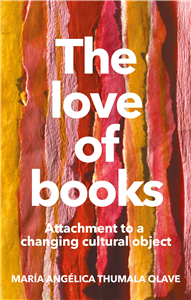
The Love of Books examines the affective bond between people and books in the UK. In the context of the unprecedented abundance of media offering information, storytelling and entertainment, it investigates the attachment to print and digital books amongst readers from a range of backgrounds who read for pleasure, wish to be surrounded by print copies of books, and have trouble discarding books. Unlike existing research, which focuses on prestige, social status, and cultural capital, this study centres on meaning, materiality and emotion. Drawing on interviews and archive material, it shows how attachment emerges from the practical fusion of three elements that have so far been examined separately: the material, surface properties of books, the act of reading, and books' symbolic power.
 Trusted Partner
Trusted Partner
Trusted Partner
Trusted Partner
Trusted Partner
Trusted Partner
Trusted Partner


Amos Oz richtet in der 1976 entstandenen Erzählung Der Berg des bösen Rates sein Augenmerk auf die Zeit unmittelbar vor der Gründung des Staates Israel. Im Mai 1946 werden der aus Schlesien 1932 nach Palästina eingewanderte Veterinärmediziner Hans Kipnis und seine aus Warschau stammende Frau Ruth zu einem Ball im Palast des Britischen Hochkommissars für Palästina eingeladen. Beide nehmen die Einladung zu dem Fest auf dem Berg des bösen Rates an, und im Verlaufe des Abends treffen beide eine existentielle Entscheidung - eine Entscheidung, die Ausdruck ihrer Elinstellung zu der sich abzeichnenden Gründung des Staates Israel ist. In dieser vielstimmigen, nach dem klassischen Muster der Novelle komponierten Erzählung ruft Amos Oz die unterschiedlichen Erwartungen der europäischen Einwanderer in Palästina vor der Gründung des Staates Israel in Erinnerung.
Trusted Partner
Trusted Partner
Trusted Partner
Trusted Partner

This international and interdisciplinary volume investigates Protestant devotional identities in sixteenth- and seventeenth-century England. Divided into two sections, the book examines the 'sites' where these identities were forged - the academy, printing house, household, theatre and prison - and the 'types' of texts that expressed them - spiritual autobiographies, religious poetry and writings tied to the ars moriendi - providing a broad analysis of social, material and literary forms of devotion during England's Long Reformation. Through archival and cutting-edge research, a detailed picture of 'lived religion' emerges, which re-evaluates the pietistic acts and attitudes of well-known and recently discovered figures. To those studying and teaching religion and identity in early modern England, and anyone interested in the history of religious self-expression, these chapters offer a rich and rewarding read.
Trusted Partner
Trusted Partner
Trusted Partner
Trusted Partner
Trusted Partner
Trusted Partner
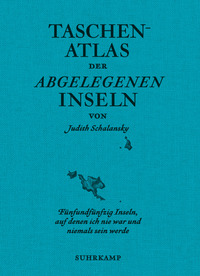
Als Judith Schalanskys Atlas 2009 erschien, herrschte zwar allgemeine Verzückung über Idee, Konzept und Gestaltung: fünfzig entlegene Inseln – von Tristan da Cunha bis zum Clipperton-Atoll, von der Weihnachts- bis zur Osterinsel – nach Ozeanen geordnet, kunstvoll illustriert und mit je einer absurd-abgründigen Geschichte, die von historischen Begebenheiten und naturwissenschaftlichen Berichten inspiriert ist. Niemand konnte jedoch ahnen, dass der Atlas nicht nur zum internationalen Bestseller und mit diversen Preisen ausgezeichneten Designobjekt werden, sondern ein regelrechtes Zeitalter der »poetischen Atlanten« einläuten und weltweit unzählige Nachahmer finden würde. Und nie war so aktuell wie heute, was dieses Buch beweist: dass die abenteuerlichsten Reisen im Kopf stattfinden, mit dem Finger auf der Landkarte. Die erweiterte Erfolgsausgabe von 2021 mit neuem Vorwort und fünf neuen Inseln wird hier in einer schön gestalteten, gebundenen Taschenbuchausgabe vorgelegt.
Trusted Partner
Trusted Partner
Trusted Partner
Trusted Partner
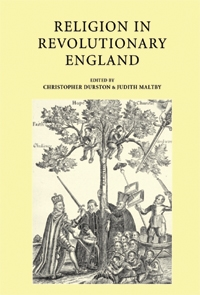
This book offers a collection of essays tightly focused around the issue of religion in England between 1640 and 1660, a time of upheaval and civil war in England. Edited by well-known scholars of the subject, topics include the toleration controversy, women's theological writing, observance of the Lord's Day and prayer books. To aid understanding, the essays are divided into three sections examining theology in revolutionary England, inside and outside the revolutionary National Church and local impacts of religious revolution. Carefully and thoughtfully presented, this book will be of great use for those seeking to better understand the practices and patterns of religious life in England in this important and fascinating period. ;



