
Shepherd Press (Click for full list of titles)
Shepherd Press is a publishing company committed to providing God's people with solid biblical books and materials.
View Rights Portal
Shepherd Press is a publishing company committed to providing God's people with solid biblical books and materials.
View Rights Portal
Our purpose is “to make Christian literature available to all nations, so that people may come to faith and maturity in the Lord Jesus Christ.”
View Rights Portal

Make or break? Advertisements repeatedly praise „plant-based“ products or promise new mobility through ointments and dietary supplements. The tools of evidence-based pharmacy help to answer the question „Does this really help?“ This practical guide offers tips and explanations on how to be confident of finding the relevant scientific literature, critically evaluate clinical studies, and interpret therapeutic results. The book provides guidance on how to classify the quality of reviews and meta-analyses and assess the reliability of guidelines in everyday healthcare practice. Practical examples help to avoid pitfalls in evaluation and to understand the statistical details. An extensive appendix with technical terms, checklists, important institutions of evidence-based medicine and further sources completes the book.

Biochemistry and clinical chemistry have long been an established part of pharmaceutical education. A comprehensive knowledge of the molecular processes in the human body is needed for a detailed understanding of disease pictures and of drug action at the molecular level. These subjects are of supreme relevance for pharmaceutical practice – without the methods of biochemistry and molecular biology, the development of new active substances is inconceivable. However, to date the established reference works have covered a much too broad range of topics, go into excessive detail and are not geared to the study of pharmacy. This textbook finally fills this gap in a hitherto unique way. Thanks to the concise learning content, it is tailored to the needs of pharmacy students. The authors therefore concentrate on the material required for the registration examination and focus on topics of relevance to drugs and treatment. They summarise the biochemical principles and use selected examples to explain the connections between them. Numerous diagrams, pictures and info boxes provide structure to the subject matter, facilitate learning and make reading enjoyable.
 Trusted Partner


The image many people have of depression is devastating - a chronic condition that leaves not only the sufferer but also their loved ones at a loss. Unfortunately, psychotherapies often focus on deficits rather than individual strengths and resources. Although this makes patients feel understood, there is a risk that they will become stuck in the role of victim. But what about those who seem to be functioning normally, those who masterfully hide their depression behind a smile? High-functioning depression" is often overlooked because people affected by it have good coping strategies to deal with everyday life. In this groundbreaking book, Dr Michelle Hildebrandt, a specialist in psychiatry and psychotherapy, shows how high-functioning depression can be recognised and how resource-oriented therapy can help not only those affected, but also other people with depression and their relatives. This book broadens the picture of depression and creates a space of hope.
Trusted Partner

 Trusted Partner


With medical help, the troublesome symptoms of episodic depression (e.g., insomnia, agitation) can be alleviated right at the start of a treatment program. Drawing on his extensive practical experience, the author describes the details of treatment, the effects of commonly used drugs, the role of psychotherapy, and the latest research findings in layman’s terms. This can help those suffering from episodic depression and their family members understand the disorder and prepare for therapy. Target Group: Anyone affected by episodic depression and their relatives; psychiatrists and psychotherapists; physicians treating patients with depression.
Trusted Partner

A crisis does not make a disease. It only becomes dangerous when we get stuck – in the ways of thinking and acting that are rooted in our fears and desires, but not in reality. That way, we wear ourselves out for nothing; exhaustion and frustration increase, and may even end in depression. This book sheds a light on ten main stress situations that may be the reason for depression. It goes far beyond the usual explanations of the symptoms of depression or individual stories, and is a treasure trove for people who want to understand what has caused them to wear themselves out mentally and how they can lift themselves out of this low.
Trusted Partner

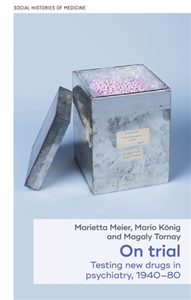
The heroic story of the invention of antidepressants is a key part of the psychopharmaceutical turn. On Trial revolves around one of its pioneers, psychiatrist Roland Kuhn, who practiced in Münsterlingen, a state-run psychiatric hospital in Switzerland. Kuhn became famous for the 'discovery' of the first antidepressant, Tofranil, and more recently notorious for his numerous trials on often unsuspecting patients. Largely based on the extensive and previously inaccessible sources of Kuhn's private archive, the book delves into the early days of industry-sponsored clinical research in psychiatry. It examines how the clinic, patients, doctors, nursing staff, corporations, and authorities interacted in the trials. Conducted from the 1940s to 1980s, the Münsterlingen drug trials are historicised and situated in the period's evolving landscape of experimentation.
Trusted Partner
The heroic story of the invention of antidepressants is a key part of the psychopharmaceutical turn. On Trial revolves around one of its pioneers, psychiatrist Roland Kuhn, who practiced in Münsterlingen, a state-run psychiatric hospital in Switzerland. Kuhn became famous for the 'discovery' of the first antidepressant, Tofranil, and more recently notorious for his numerous trials on often unsuspecting patients. Largely based on the extensive and previously inaccessible sources of Kuhn's private archive, the book delves into the early days of industry-sponsored clinical research in psychiatry. It examines how the clinic, patients, doctors, nursing staff, corporations, and authorities interacted in the trials. Conducted from the 1940s to 1980s, the Münsterlingen drug trials are historicised and situated in the period's evolving landscape of experimentation.
Trusted Partner

Quick and comprehensive information on psychotropic drugs for adults. The “Clinical Handbook of Psychotropic Drugs” has become a standard reference and working tool for psychiatrists, psychologists, physicians, pharmacists, nurses, and other mental health professionals Independent, unbiased, uptodate Packed with unique, easy-to-read comparison charts and tables (dosages, side effects, pharmacokinetics, interactions …) for a quick overview of treatment options Succinct, bulleted information on all classes of medication: on- and off-label indications, (US FDA, Health Canada), recommended dosages, US and Canadian trade names, side effects, interactions, pharmacodynamics, precautions in the young, the elderly, and pregnancy, nursing implications, and much more – all you need to know for each class of drug Potential interactions and side effects summarized in comparison charts With instantly recognizable icons and in full color throughout, allowing you to fnd at a glance all the information you seek Clearly written patient information sheets available for download as printable PDF files
Trusted Partner

Quick and comprehensive information on psychotropic drugs for children and adolescents. The “Clinical Handbook of Psychotropic Drugs for Children and Adolescents” is a unique resource to help you make the right choices about psychotropic medications for younger patients. The ffth edition of this widely acclaimed reference has been fully updated and expanded. • Updated information on psychiatric disorders in children and adolescents • U nique comparison charts (dosages, side effects, pharmacokinetics, interactions …) that allow you to see at a glance which medication is the most suitable for each patient • Instantly recognizable icons in full color throughout, a llowing you to quickly fnd all the information you seek • G eneral information on medications, availability, and indications • D rug action, dosing, pharmacokinetics, and related areas• Warnings and precautions • P atientrelated information, such as lab monitoring recommendations, nursing implications, and patient advice• Clearly written patient and caregiver information sheets as printable PDF fles
Trusted Partner

For half a century, “Mutschler” has been the standard reference work on pharmacology and toxicology – always forward-looking and at the cutting edge. The 11th edition continues this approach: ■ Up-to-the-minute: new drugs, including biologicals, relevant guidelines in the context of evidence-based medicine ■ Clearly structured: completely new layout with the focus on indication-related pharmacotherapy; uniformly constructed concise chapters ■ Well-illustrated: with many figures and tables, completely revised ■ Easy to remember: readily understandable explanations – even of complex issues ■ Critical: objective, independent assessment of the clinical value of drugs and drug groups ■ Comprehensive: with short introductions into the principles of anatomy, physiology and pathophysiology in the individual chapters ■ Reliable: full coverage of the subjects usually tested in the medical and pharmaceutical state examinations The proven source for complete knowledge about the actions of drugs: for students and practitioners.
Trusted Partner

An evidence-based guide to the assessmentand treatment of childhooddepression with a focus on a family-basedapproach• Up-to-date overview of theevidence-base• Step-by-step guidance of a family-focusedtreatment• Downloadable handouts for clinicalpracticeThis volume in the Advances in Psychotherapyseries provides the reader withan up-to-date, evidence-based introductionto the assessment and treatmentof childhood depression, includingmajor depressive disorder, persistentdepressive disorder, disruptive mooddysregulation, and adjustment disorders.After exploring the latest knowledgeon the diagnosis, course, theories,and contributing factors of childhooddepression, the author presents a stepby-step description of family-focusedtreatment for childhood depression(FFT-CD), which integrates CBT andfamily therapy goals.
Trusted Partner

Chronically depressed patients are often considered difficult to treat because the illness is often closely related to severe traumatic experiences. This manual focuses on traumatized, chronically depressed patients: it outlines both the disorder as well as its diagnostic approach and explains the basic assumptions of the psychoanalytic understanding of depression. It explains the basic treatment steps in long-term psychoanalytic treatment of chronically depressed, early traumatized patients, and addresses specific challenges such as suicidality, aggression, and guilt. Basic therapeutic approaches and treatment principles are illustrated through specific case examples. The effectiveness of this manual has been demonstrated in a study of long-term therapies for chronic depression (the so-called LAC Depression Study). For:• psychoanalysts• psychotherapists working on the basis of depthpsychology• mental health professionals that provide psychotherapy• candidates for training in psychotherapy
Trusted Partner

Everybody feels sad or listless at some point. This is normal. Melancholia or depression are more severe and longerlasting variants of these moods. The entire body, thought patterns, life and social relationships are affected. Depression occurs frequently and in all stages of life but is often not recognized or recognized too late and often treated inappropriately. The consequences are unnecessary suffering, loss of quality of life, strain on the family, illnesses, and even shortened life expectancy despite the availability of successful treatment options. This title outlines the symptoms and patterns of depression as well as possible causes and treatment options. In addition, self-help options are presented. The guide helps to better understand the illness and is also suitable for being read in parallel to an ongoing treatment and thus supporting the therapy. For:• those affected and their families• psychotherapists• psychiatrists• psychological coaches• primary care physicians
Trusted Partner

Depression is one the most common mental disorders and nurses and other health professions meet people struggling with depression at any age and from any background. Until now, there has not been a comprehensive book on how nursing professionals can treat their patients that suffer from depression. This title now offers a multiprofessional, multidemensional and ressource-focussed approach that can close this gap. It provides professionals with background information on depression and its causes, practical information on how to deal with patients from different stages of life, from children to seniors, and explains what different approaoches can be used (e.g. Mindfulness) to help those suffering from depression. Target Group: Psychiatric Nurses
Trusted Partner

The “Clinical Handbook of Psychotropic Drugs” has become a standard reference and working tool for psychiatrists, psychologists, physicians, pharmacists, nurses, and other mental health professionals.• Independent, unbiased, up-to-date• Packed with unique, easy-to-read comparison charts andtables (dosages, side effects, pharmacokinetics, interactions…)for a quick overview of treatment options• Succinct, bulleted information on all classes of medication:on- and off-label indications, (US FDA, Health Canada),recommended dosages, US and Canadian trade names, sideeffects, interactions, pharmacodynamics, precautions inthe young, the elderly, and pregnancy, nursing implications,and much more – all you need to know for each class of drug• Potential interactions and side effects summarized incomparison charts• With instantly recognizable icons and in full color throughout,allowing you to find at a glance all the information you seek• Clearly written patient information sheets available fordownload as printable PDF files This book is a must for everyone who needs an up-to-date, easyto- use, comprehensive summary of all the most relevant information about psychotropic drugs. Tables, graphs, and overviews make this handbook a practical tool for professionals. For:• psychiatrists und psychologists• physicians and pharmacists• nurses, and other mental health
Trusted Partner

Introduction to the new ICD-11 classification of personalitydisorders and related traits. Using clinical examples, thisbook explains aspects of personality functioning, diagnosingseverity and specifying trait domains.Specific guidelines are included for the diagnosis and clinicalmanagement of mild, moderate and severe personalitydisorders as well as subdiagnostic personality difficulties. Inaddition, the reader is guided in interpreting specific combinationsof trait domains. Guidance on differential diagnosticconsiderations, clinical decision-making, individualizedtreatment planning, treatment intensity, and psychotherapeuticfocus is also included.
Trusted Partner

This title discusses the psychological and neuropsychological background of autism spectrum disorder, as well as appropriate diagnostic tools. The assessments that this book introduces are sorted by development area (intellectual, adaptive, social, language, etc.). Additionally, this title provides professionals with a variety of case studies from clinical practice. Target Group: clinical psychologists, mental health professionals, psychiatrists, neurologists, pediatricians, speech therapists, students, teachers
Trusted Partner

Culture and diversity are both challenge and opportunity. This volume looks at what psychologists are and can be doing to help society meet the challenges and grasp the opportunities in education, at work, and in clinical practice. The increasingly international and globalized nature of modern societies means that psychologists in particular face new challenges and have new opportunities in all areas of practice and research. The contributions from leading European experts cover relevant intercultural issues and topics in areas as diverse as personality, education and training, work and organizational psychology, clinical and counselling psychology, migration and international youth exchanges. As well as looking at the new challenges and opportunities that psychologists face in dealing with people from increasingly varied cultural backgrounds, perhaps more importantly they also explain and discuss how psychologists can deepen and acquire the intercultural competencies that are now needed in our professional lives. Target Group: psychotherapists / clinical psychologists / mental health professionals
Trusted Partner

A how-to guide to affirmative counseling with transgender clients• Presents the best evidence-basedcare• Instructions for strategies to improveinclusivity• Illustrated with case studies• Printable tools for clinical use This volume provides fundamental and evidence-based information on working with transgender and gender diverse people in mental health services. The authors, who are experts in the field, outline the key qualities of affirming mental health services, as well as explore strategies for improving inclusivity and what evidence-based care with trans clients looks like. They also provide insight into current topics, such as working with youth, the harmful and ill-advised approach known as rapid onset gender dysphoria, and whether and how autism is a co-occurring diagnostic concern. Practitioners will find the printable resources provided invaluable for their clinical practice, including sample letters of support for trans clients who are seeking gender affirming medical care. For:• clinical psychologists• psychiatrists• psychotherapists• family practitioners• counselors• students

