
Your Search Results

-
Promoted Content
-
Promoted Content

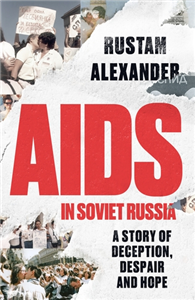 Humanities & Social SciencesFebruary 2026
AIDS in Soviet Russia
A story of deception, despair and hope
by Rustam Alexander
The first book to tell the shocking story of the AIDS crisis in Soviet Russia. Throughout the 1980s, as the world was grappling with the escalating crisis of AIDS, Soviet Russia continued to deny there was a problem. Arguing that the disease was limited to foreigners and 'immoral' groups, the government failed to take meaningful action, long past the point other countries had begun to recognise the full scale of the threat. In this ground-breaking book, Rustam Alexander tells the story of AIDS in Soviet Russia. Fixated on disinformation, censorship and the persecution of marginalised communities, the Soviet authorities wasted precious time, allowing the epidemic to strike at the very heart of the nation: its children. Yet, despite the government's failure, a number of brave journalists, doctors and nascent gay groups decided to take matters into their own hands and engage in full-fledged AIDS activism. Tracing the political and social response to AIDS in the final years of the Soviet era, Alexander sheds light on the devastating consequences of government inaction. He draws on personal stories, media reports and archival materials to provide a riveting account of the Russian people's fight against AIDS amid the tumultuous transformations of Gorbachev's perestroika.
-
 Trusted Partner
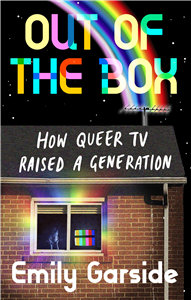 The ArtsJanuary 2027
Out of the box
How queer TV raised a generation
by Emily Garside
A celebration of queer TV's past, present and exciting future. In Out of the box, Emily Garside takes the reader on a tour through the colourful, complicated world of queer television - where representation is never just entertainment. Examining a wide array of programmes, from Queer as Folk and Buffy the Vampire Slayer to Schitt's Creek and Heartstopper, she explores how queer viewers find themselves in the stories TV tells. Part I dives into the genres that have shaped queer visibility on screen, from the closeted tensions of TV drama to the evolving landscape of sitcoms, musicals, sci-fi and period pieces. Whether it's gay aliens, campy dance numbers or the queerness hidden in historical narratives, these chapters reveal how genre both limits and liberates LGBTQ+ storytelling. Part II turns to the stories themselves: queer teens navigating first love, coming-out arcs, the thorny politics of sex on screen and the lasting need for AIDS narratives. The book also tackles the negative sides of queer TV, from queerbaiting to the 'bury your gays' trope, and looks at how fans push back through creativity and fanfiction.


