
University of Illinois Press
Established in 1918, the University of Illinois Press promotes research and education and enriches cultural and intellectual life through the worldwide dissemination of significant scholarship.
View Rights Portal
Established in 1918, the University of Illinois Press promotes research and education and enriches cultural and intellectual life through the worldwide dissemination of significant scholarship.
View Rights Portal
- International Copyright, Licensing, and Literary Agency - International Illustrator Agency and Management Services - Creative Content Development Services
View Rights Portal
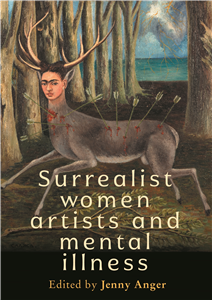
Female mental illness has been a prominent and complicated theme in surrealist cultural traditions, including the idealization of women with mental illness in works such as André Breton's Nadja (1928). Art historians have examined this tendency before, but to date there has been no comprehensive study of the lived reality of women surrealist artists with mental illness. How did women's experience and their work intersect with this romanticized vision? Was the masculine dream of feminized, "mad" genius prohibitive or productive for these women artists? After establishing the ideological field within which these women worked, the book turns to case studies of well-known and some lesser-known artists, including Ángeles Santos, Leonora Carrington, Dora Maar, Claude Cahun, Frida Kahlo, Meret Oppenheim, Sonja Sekula, and Unica Zürn. This collection of essays contains a wide range of responses, revealing surrealism's generative as well as restrictive force.

Caring for someone with a long-term illness is the first book in the Support for Friends and Family series from Manchester University Press. Caring for, or being close to someone who cares for a person with a long-term illness can be very difficult, and not knowing how to help can be frustrating. The book is designed to help friends, family and carers understand the practical and personal issues that face carers; providing useful suggestions on how to understand the carer's role and ways to make the experience easier for the carer and those around them. This is less of a how to do book and more a selection of chapters giving advice on things to say, things to do, and where to look for advice and practical help when needed. Carers and their friends and family will find this book an invaluable resource on how to act (or simply give peace and quiet) in the most welcome and appropriate way.
 Trusted Partner
Trusted Partner
Trusted Partner

 Trusted Partner
Trusted Partner
Trusted Partner
Trusted Partner
Trusted Partner

 Trusted Partner
Trusted Partner
Trusted Partner
 Trusted Partner
 Trusted Partner
Trusted Partner
Trusted Partner
 Trusted Partner
Trusted Partner
Trusted Partner
Trusted Partner
Trusted Partner
 Trusted Partner
Trusted Partner
Trusted Partner
Trusted Partner
Trusted Partner
 Trusted Partner
Trusted Partner
Trusted Partner



