

Humanities & Social Sciences
March 2022
 Trusted Partner


»Wir müssen unsere Männlichkeit wiederentdecken«, appelliert Björn Höcke an den deutschen Mann. Mit dieser Forderung ist der AfD-Politiker nicht allein: Von Neuseeland bis Kanada, von Brasilien bis Polen vernetzen sich Rechtspopulisten, sogenannte »Incels«, aber auch christliche Abtreibungsgegner unter dem Banner der Männlichkeit, um Frauen auf einen nachrangigen Platz in einer angeblich natürlichen Hierarchie zurückzuverweisen. Susanne Kaiser bietet einen kompakten Überblick über die Geschichte und das Programm dieser Bewegung. Sie wertet Diskussionen in der »Mannosphäre« aus, zeigt internationale Verbindungen auf und fragt, warum rechte Mobilisierung überall auf der Welt gerade über die Themen Gender Studies, LGBT-Rechte und Geschlechterrollen funktioniert.
Trusted Partner

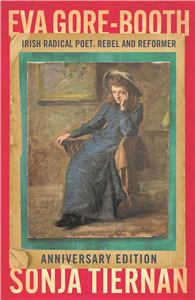
An acclaimed biography of poet, pacifist and political firebrand Eva Gore-Booth. The Irish poet and activist Eva Gore-Booth (1870-1926) led a life defiantly at odds with her aristocratic origins. Choosing to live and work among the poor of Manchester, she campaigned on behalf of barmaids, circus performers, flower sellers and pit-brow lasses, her partner, Esther Roper, at her side. Gore-Booth was tireless in her pursuit of justice. She was a militant pacifist during the First World War, a champion of Irish independence and a pioneering thinker on gender and sexuality. She was also a prolific author, publishing nineteen volumes of poetry and prose that reflect the full force of her radical convictions. Featuring a new preface that situates Gore-Booth's life and work in the context of our current political climate, this biography reclaims her place as a significant figure of Anglo-Irish letters and an unsung hero of LGBT+ history.
Trusted Partner
 Trusted Partner

Jacques Martineau, Olivier Ducastel, Alain Guiraudie, Sébastien Lifshitz and Céline Sciamma. The films of these five major French directors exemplify queer cinema in the twenty-first century. Comprehensive in scope, Queer cinema in contemporary France traces the development of the meaning of queer across these directors' careers, from their earliest, often unknown films to their later, major films with wide international release. Whether having sex on the beach or kissing in the high school swimming pool, these cinematic characters create or embody forward-looking, open-ended and optimistic forms of queerness and modes of living, loving and desiring. Whether they are white, beur or black, whether they are lesbian, gay, trans* or queer, they open up hetero- and cisnormativity to new ways of being a gendered subject.
Trusted Partner

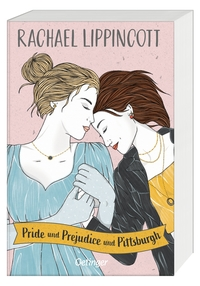
Zwei Herzen – zwei Zeiten – eine wahre Liebe Bei Audrey Cameron läuft gerade alles schief. Nicht nur, dass ihre erste Liebe sie verlassen hat, auch ihre Traum-Uni lehnt sie ab. Als eines Tages der sonderbare Mr. Montgomery in dem kleinen Laden ihrer Eltern in Pittsburgh auftaucht und ihr seine Hilfe anbietet, wird ihr Leben vollkommen auf den Kopf gestellt. Plötzlich wacht sie auf einer Wiese auf, in England, im Jahre 1812!Lucy Sinclair ist nicht weniger verwundert, das seltsam gekleidete Mädchen auf dem Anwesen ihres Vaters vorzufinden. Erst recht kann sie es kaum glauben, dass Audrey zweihundert Jahre aus der Zukunft stammen soll. Die beiden ahnen nicht, dass das Schicksal sie zueinander geführt hat. Denn Lucys Herz schlägt nicht für den Mann, den ihr Vater für sie ausgewählt hat, sondern für Audrey.Eine queere Feel-Good-Romance aus der Feder der NYT-Bestsellerautorin Rachael Lippincott. Pride und Prejudice und Pittsburgh: Romantisches Young Adult-Buch mit vielen unerwarteten Twists Herzklopfen pur: Die fesselnde Lesbian Romance nimmt Young Adult- Leser*innen ab 14 Jahren mit auf eine aufregende Zeitreise ins Jahr 1812. Liebenswerte Protagonistinnen: Audrey und Lucy stammen aus zwei unterschiedlichen Epochen und verlieben sich unsterblich ineinander. Herzerwärmend und unterhaltsam: Die queere Liebesgeschichte enthält wichtige Denkanstöße über die Liebe und die Suche nach dem eigenen Glück. Geniale Kombination: Die Mischung aus gesellschaftlichen Themen und klassischen Regency-Elementen macht den Young Adult-Roman zur idealen Lektüre für Jane Austen- und Bridgerton-Fans, die das Besondere suchen. Ein LGBT-Roman mit ganz besonderen Momenten: Mitreißend geschrieben von New York Times-Bestsellerautorin Rachael Lippincott („Five Feet Apart“).
Trusted Partner
Trusted Partner
Trusted Partner
Trusted Partner
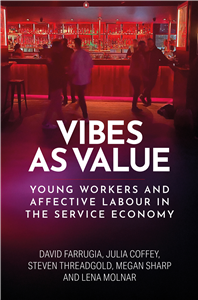
Vibes as value explores the relationship between subjectivity, labour and value in the hospitality industry, and thereby how youth, gender, sexuality, race and social class are embodied and made productive in the service economy. It shows that the key product of hospitality labour is 'vibes', or moments of enjoyment and relationality co-produced through exploitative relationships amongst workers and consumers. In the process, the book theorises hospitality as a form of affective labour organised through the normative and structural relations of precarious service work. It shows how identity construction produces value within the highly unequal social terrain of the service economy, and how hospitality labour enacts hierarchies of value extending far beyond the limits of the industry itself.
Trusted Partner
 Trusted Partner
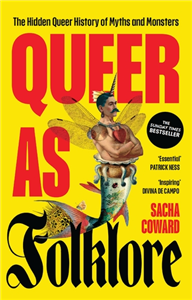
A celebration of queer history like you've never seen it before. Queer as folklore travels across centuries and continents to reveal the unsung heroes and villains of storytelling, magic and fantasy. Featuring images from archives, galleries and museums around the world, each chapter investigates the queer history of different mythic and folkloric characters, both old and new. Leaving no headstone unturned, Sacha Coward takes you on a wild ride through the night from ancient Greece to the main stage of RuPaul's Drag Race, visiting cross-dressing pirates, radical fairies and the graves of the 'queerly departed' along the way. Queer communities have often sought refuge in the shadows and created safe spaces in underworlds. But these forgotten narratives tell stories of resilience that deserve to be heard. Join any Pride march and you will see a glorious display of papier-mâché unicorn heads, drag queens in mermaid tails and more fairy wings than you can shake a trident at. These are not just accessories: they are queer symbols with historic roots. To truly understand who queer people are today, we must confront the twisted tales of the past.
Trusted Partner
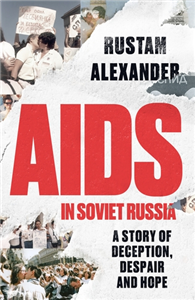
The first book to tell the shocking story of the AIDS crisis in Soviet Russia. Throughout the 1980s, as the world was grappling with the escalating crisis of AIDS, Soviet Russia continued to deny there was a problem. Arguing that the disease was limited to foreigners and 'immoral' groups, the government failed to take meaningful action, long past the point other countries had begun to recognise the full scale of the threat. In this ground-breaking book, Rustam Alexander tells the story of AIDS in Soviet Russia. Fixated on disinformation, censorship and the persecution of marginalised communities, the Soviet authorities wasted precious time, allowing the epidemic to strike at the very heart of the nation: its children. Yet, despite the government's failure, a number of brave journalists, doctors and nascent gay groups decided to take matters into their own hands and engage in full-fledged AIDS activism. Tracing the political and social response to AIDS in the final years of the Soviet era, Alexander sheds light on the devastating consequences of government inaction. He draws on personal stories, media reports and archival materials to provide a riveting account of the Russian people's fight against AIDS amid the tumultuous transformations of Gorbachev's perestroika.
Trusted Partner
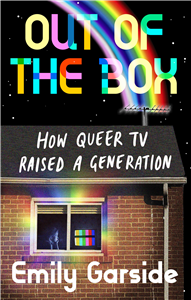
A celebration of queer TV's past, present and exciting future. In Out of the box, Emily Garside takes the reader on a tour through the colourful, complicated world of queer television - where representation is never just entertainment. Examining a wide array of programmes, from Queer as Folk and Buffy the Vampire Slayer to Schitt's Creek and Heartstopper, she explores how queer viewers find themselves in the stories TV tells. Part I dives into the genres that have shaped queer visibility on screen, from the closeted tensions of TV drama to the evolving landscape of sitcoms, musicals, sci-fi and period pieces. Whether it's gay aliens, campy dance numbers or the queerness hidden in historical narratives, these chapters reveal how genre both limits and liberates LGBTQ+ storytelling. Part II turns to the stories themselves: queer teens navigating first love, coming-out arcs, the thorny politics of sex on screen and the lasting need for AIDS narratives. The book also tackles the negative sides of queer TV, from queerbaiting to the 'bury your gays' trope, and looks at how fans push back through creativity and fanfiction.



