
Playwrights Canada Press
Livres Canada Books
View Rights Portal

Plastik sparen Die Geschichte einer Idee Die Idee für Plastik sparen ist im Juni 2018 entstanden. Wie schon so oft endete ein Wocheneinkauf im totalen Plastik-Inferno. Kennt ihr das? Einmal einkaufen beim Supermarkt um die Ecke und schon ist eine Mülltüte voll mit Plastik. Aber wie kann ich das ändern, fragte ich mich. Also informierte ich mich, war bei einem Vortrag zum Thema "plastikfrei leben" um dann mit dem Gefühl zurück zu bleiben, das nicht leisten zu können. Aber einfach weiter Plastik konsumieren war für mich auch keine Alternative. Es musste doch Möglichkeiten geben Plastik zu reduzieren, die Jedermann*frau ganz einfach in den Alltag einbauen kann. Und so war "Plastik sparen" geboren. Die Idee dahinter, durch viele kleine Plastik-spar-Aktivitäten den Plastikmüll in meinem Haushalt zu reduzieren. Und, ich kann sagen es funktioniert. Bei jedem Einkauf landet wesentlich weniger Plastikverpackung im Einkaufswagen als früher. Alles Aktivitäten, die keine (oder nur wenig) Zeit gekostet haben, die oftmals Geld gespart haben und die ich problemlos in den Alltag integrieren konnte. "Plastik sparen" ist unser Beitrag für eine Umwelt mit weniger Plastik. Meine Ideen, Gedanken und Erlebnisse möchte ich teilen und viele Menschen dafür begeistern, immer weniger Plastik in ihr Leben zu lassen.
View Rights Portal

This collection brings together scholars from disciplines including Children's Literature, Classics, and History to develop fresh approaches to children's culture and the uses of the past. It charts the significance of historical episodes and characters during the long nineteenth-century (1750-1914), a critical period in children's culture. Boys and girls across social classes often experienced different pasts simultaneously, for purposes of amusement and instruction. The book highlights an active and shifting market in history for children, and reveals how children were actively involved in consuming and repackaging the past: from playing with historically themed toys and games to performing in plays and pageants. Each chapter reconstructs encounters across different media, uncovering the cultural work done by particular pasts and exposing the key role of playfulness in the British historical imagination.
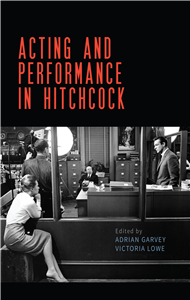
Hitchcock's professed disdain for actors is belied by the extraordinary range and depth of performances featured in his films. It might even be argued that many stars gave their richest and most complex performances in his work. Hitchcock's films are also imbued with the theme of performance, as when his fugitive men and errant women assume fragile new identities and move between roles. Actors and other performers also often feature as characters. However, the exhaustive academic literature on Hitchcock has to date produced surprisingly little work about acting and performance in his films. The collection includes contributions from a range of leading scholars on Hitchcock, performance, stardom, and British Cinema, including Charles Barr, David Greven, Mark Glancy, Lucy Bolton, Lawrence Napper and Michael Williams, and an interview with leading composers/accompanists Neil Brand and Stephen Horne on scoring performance in Silent Hitchcock.
 Trusted Partner
 Trusted Partner

Popular television drama: critical perspectives' is a collection of essays examining landmark programmes of the last forty years, from 'Doctor Who' to 'The Office', and from 'The Demon Headmaster' to 'Queer As Folk'. Contributions from prominent academics focus on the full range of popular genres, from sitcoms to science fiction, gothic horror and children's drama, and challenge received wisdom by reconsidering how British television drama can be analysed. Each section is preceded by an introduction in which the editors discuss how the essays address existing problems in the field and also suggest new directions for study. The book is split into three sections, addressing the enduring appeal of popular genres, the notion of 'quality' in television drama, and analysing a range of programmes past and present. Popular television drama: critical perspectives will be of interest to students and researchers in many academic disciplines that study television drama. Its breadth and focus on popular programmes will also appeal to those interested in the shows themselves.
Trusted Partner
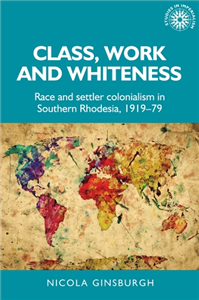
This book offers the first comprehensive history of white workers from the end of the First World War to Zimbabwean independence in 1980. It reveals how white worker identity was constituted, examines the white labouring class as an ethnically and nationally heterogeneous formation comprised of both men and women, and emphasises the active participation of white workers in the ongoing and contested production of race. White wage labourers' experiences, both as exploited workers and as part of the privileged white minority, offer insight into how race and class co-produced one another and how boundaries fundamental to settler colonialism were regulated and policed. Based on original research conducted in Zimbabwe, South Africa and the UK, this book offers a unique theoretical synthesis of work on gender, whiteness studies, labour histories, settler colonialism, Marxism, emotions and the New African Economic History.
Trusted Partner
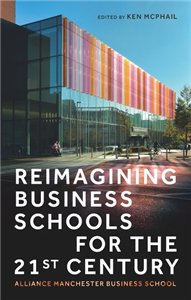
Whether it's dealing with regional economic disparities, global geopolitical upheaval, climate change, or the impact of new technologies such as artificial intelligence, we are living in pivotal times. To mark its 60th anniversary in 2025, this accessible book from Alliance Manchester Business School outlines in detail how business schools can play a significant role in confronting these huge challenges, and equip the next generation of business leaders with the skills they need to embrace them. Informing public and political debate on the role of business in both the causes and solutions to our biggest challenges the book offers a rethinking of the role of business in society. It will also discuss specific examples of how collaborations with business are leading to impact and change in society. Featuring a range of thought-provoking essays co-authored by eminent academics and business leaders, this collection will challenge the status quo and outline how business and management research is helping address grand challenges, generate economic growth, inform policy development, and define business thinking over the next generation.
Trusted Partner


This unique guide brings together the vast experience of the author with the science and the practice of positive psychology in such a way that both new and experienced practitioners will benefit. New practitioners will learn about the core concepts of character and signature strengths and how to fine-tune their approach and troubleshoot. Experienced practitioners will deepen their knowledge about advanced topics such as strengths overuse and collisions, hot button issues, morality, and integrating strengths with savoring, flow, and mindfulness. Hands-on practitioner tips throughout the book provide valuable hints on how to take a truly strengths-based approach. The 24 summary sheets spotlighting each of the universal character strengths are an indispensable resource for client sessions, succinctly summarizing the core features of and research on each strength. 70 evidence-based step-by-step activity handouts can be given to clients to help them develop character strengths awareness and use, increase resilience, set and meet goals, develop positive relationships, and find meaning and engagement in their daily lives. Working with client’s (and our own) character strengths boosts well-being, fosters resilience, improves relationships, and creates strong, supportive cultures in our practices, classrooms, and organizations. Target Group: psychotherapists / clinical psychologists / counselors/ teachers
Trusted Partner

 Trusted Partner


Begleite Familie Knister auf ein aufregendes neues Abenteuer in „Kleine Feuerwehr. Drunter und drüber“, dem zweiten Band der beliebten Kinderbuchreihe, inspiriert von der erfolgreichen Kinder-App von Fox & Sheep. Dieses Mal erwartet die Familie Knister hochspannende Gäste aus China: eine Feuerwehrmannschaft! Doch die Überraschung ist groß, als die Besucher aus Fernost ganz anders aussehen, als man es erwartet hätte. Sind das wirklich Feuerwehrleute? Ohne gemeinsame Sprache entsteht ein buntes Durcheinander, das Familie Knister und ihre Gäste von einem verrückten Abenteuer ins nächste führt. Witzige Missverständnisse und spannende Herausforderungen warten auf die ungewöhnliche Truppe, die trotz aller Unterschiede zeigt, wie Freundschaft und Zusammenarbeit Barrieren überwinden können. Thematisiert die Begegnung zwischen unterschiedlichen Kulturen auf humorvolle Weise und hebt die Bedeutung von Offenheit und Verständnis hervor. Abenteuerliche Reise voller unerwarteter Wendungen, die Jung und Alt gleichermaßen begeistert. Integrierte Bastelbögen laden zum kreativen Spielen ein. Kinder können ihr eigenes Feuerwehrauto bauen und eine Feuerwache gestalten, um die Geschichte lebendig werden zu lassen. So lassen sich Sprachbarrieren überwinden: Charaktere finden trotz fehlender gemeinsamer Sprache Wege, miteinander zu kommunizieren und zu kooperieren. Reich illustrierte Seiten und ausklappbare Elemente fördern die Vorstellungskraft und Kreativität junger Leser. Eine Geschichte, die zeigt, wie wichtig es ist, einander zu helfen, zusammenzustehen und gemeinsam Lösungen zu finden.
Trusted Partner
 Trusted Partner
Trusted Partner
Trusted Partner
 Trusted Partner
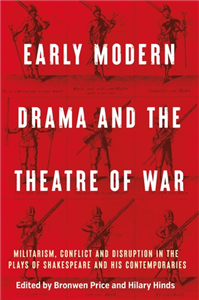
This volume explores the disruptive effects of militarism, war and social unrest in early modern drama. Engaging with Simon Barker's seminal work on dramatic representations of war and militarism, contributors highlight what often lies hidden beneath the surface of martial narratives, treating them as formative interventions in contemporary discourses, whether in justifying war, excluding dissident voices or shaping cultural identities. Discussions include new examinations of militarism, the figure of the soldier and early modern theories of war in Shakespearean tragedy, history and comedy, alongside antimasque and dramatic satire by lesser-known playwrights. The essays investigate how ideas of war underpin emerging concepts of gender, leadership, marriage and the family, as well as the continuing mobilisation of Shakespearean drama in the context of modern armed conflict. Together, they offer rich new contributions to the current lively critical debates on this topic.
Trusted Partner
Trusted Partner
Trusted Partner
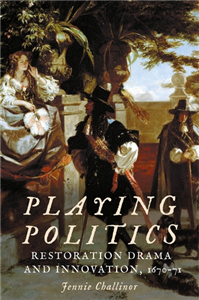
This study focuses on the 1670-71 season in the Restoration playhouses, an exciting and formative moment in theatrical and political history. The year proved to be difficult and damaging to King Charles II, as political, religious, and personal matters provoked controversy and disquiet, and the country teetered on the brink of major constitutional problems. My research sets drama against this backdrop. Theatrical records for this period are patchy and, for the most part, frustratingly incomplete: this book does not attempt to reconstruct the day-to-day operations of the playhouses, but rather it uses the available evidence of the extant new and revived plays we know (or believe) to have been performed in the 1670-71 theatrical season, and argues that this was the period in which serious and far-reaching political and dramatic questions began to be seriously asked and (tentatively) answered.
Trusted Partner
Trusted Partner
 Trusted Partner
 Trusted Partner



