
Tradewind Books
Livres Canada Books
View Rights Portal

Photo Travel Editions is an italian independent Publishing House founded in 2018 and directed by Giovanni Marino. Books and reading are necessary tools to communicate beauty and to transmit memory and identity. In this context, Photo Travel Editions, develops as a natural evolution of a complex reality with the aim of giving voice to the need to spread and share the cultural tool par excellence, the book. Photo Travel Editions combines aspects of traditional publishing with the new modern publishing of E-books and audiobooks. The publishing project offers nonfiction books, contemporary fiction, poetry, photographic books and the re-edition of rare books. Great attention is paid to emerging authors who will be offered the means to reach an increasingly important number of readers, giving them the opportunity to express themselves, communicate and excite through writing.
View Rights Portal
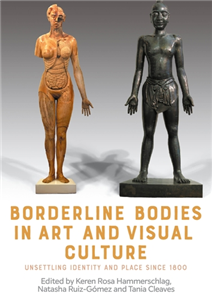
Borderline bodies offers original interpretations of visual representations of human bodies as bounded and unbounded, fortified and permeable, mobile and static-subject to borders and able to traverse and challenge them. It also takes as its focus images and objects that might be considered 'borderline' because they sit at the intersection of disciplines or sit outside accepted notions of what constitutes serious 'art.' By mapping the ways human bodies traverse borders and straddle-even dismantle-categories, this volume's essays approach afresh the relationship of bodies to traditional modes of representation, especially in art and medicine, and encourage us to think anew about how we understand the relationship between human corporeality, identity and place. Critical transdisciplinary and transnational analyses of objects and images from a range of geographies shed new light on the themes of: bodies and identity; typologies of the body; racialised bodies; 'normal' and 'abnormal' bodies; encounters between bodies; bodies in transition; bodies and mobility; and the bounded and unbounded human body. The outcome is a fresh approach to depictions of the human body produced for the purposes of artistic and medical education, aesthetic edification, and scientific and professional advancement, which disrupts assumptions about the normative human body perpetuated through Western image-making traditions.
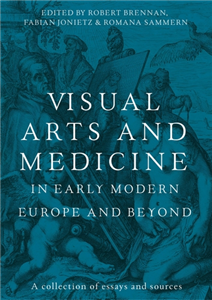
This book opens up new perspectives on the relationship between art, medicine, and science in late-medieval and early modern Europe. Looking beyond the traditional nexus of art, anatomy, and optics, the volume sheds light on a broader array of connections between artists and physicians: collaborations between painters and doctors on colour charts, handwork skills common to sculptors and surgeons, the transmission of art theory through medical texts long before the emergence of art writing itself as an independent genre, and the kinship of medical diagnosis with early modes of connoisseurship. Reconfiguring the histories of art, medicine, and science, the book also traverses conventional boundaries between physical and mental health, religious and medical modes of healing, menial and exalted forms of knowledge and labour, as well as vernacular and scientific understandings of human difference, including gender, race, and neurodiversity.


A pioneering work in the movement to free art from its traditional bonds to material reality, this book is one of the most important documents in the history of modern art. Written by the famous nonobjective painter Wassily Kandinsky (1866–1944), it explains Kandinsky's own theory of painting and crystallizes the ideas that were influencing many other modern artists of the period. Along with his own groundbreaking paintings, this book had a tremendous impact on the development of modern art. Kandinsky's ideas are presented in two parts. The first part, called "About General Aesthetic," issues a call for a spiritual revolution in painting that will let artists express their own inner lives in abstract, non-material terms. Just as musicians do not depend upon the material world for their music, so artists should not have to depend upon the material world for their art. In the second part, "About Painting," Kandinsky discusses the psychology of colors, the language of form and color, and the responsibilities of the artist. An Introduction by the translator, Michael T. H. Sadler, offers additional explanation of Kandinsky's art and theories, while a new Preface by Richard Stratton discusses Kandinsky's career as a whole and the impact of the book. Making the book even more valuable are nine woodcuts by Kandinsky himself that appear at the chapter headings. This English translation of Über das Geistige in der Kunst was a significant contribution to the understanding of nonobjectivism in art. It continues to be a stimulating and necessary reading experience for every artist, art student, and art patron concerned with the direction of 20th-century painting.
 Trusted Partner


The consistent and evidence-based development of Korean medicine in many clinical application areas has significantly improved its international status in recent years. The basis for this development is one of the most important medical books in Korea, the „Donguibogam“, a clinical lexicon of applications compiled about 400 years ago; at that time the traditional work also enjoyed the highest recognition in China. In 2009 it was included in the „Memory of the World“ register of UNESCO. Even now after 400 years, it still serves as a manual for writing prescriptions for many physicians in Korea, and testifies that the understanding of nature and human disease patterns is still current and clinically applicable even in the modern industrialised world. This work provides ■ understanding for Korean medicine, ■ many selected medicinal formulations and their fields of application, ■ the description and evaluation of important traditional single remedies, ■ the corresponding drug monographs with information on analytical testing
Trusted Partner
Whether for reasons of family, food, shopping or religion, it's hard to imagine a British winter without Christmas, or to think of a more traditional national festival. But how and when did Christmas cards, pantomimes and advertising become part of that tradition? This book looks at how people in the nineteenth and early twentieth centuries experienced Christmas and how today's priorities and rituals began and endured. It explores the origins of our deeply held notions around Christmas traditions and demonstrates how those ideas were in fact shaped by the fast-paced modernisation of English life. A fascinating account of the development of many things we now take for granted, the book touches on the history of childhood and the family, philanthropy and work, and the beginnings of consumerism that shaped the Christmas we know today.
Trusted Partner
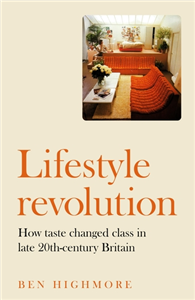
In postwar Britain, journalists and politicians prophesised that the class system would not survive a consumer culture where everyone had TVs and washing machines, and where more and more people owned their own homes. They were to be proved entirely wrong. In good taste charts how class culture, rather than being destroyed by mass consumption, was remade from flat-pack furniture, Mediterranean cuisine and lifestyle magazines. Novelists, cartoonists and playwrights satirised the tastes of the emerging middle classes, and sociologists claimed that an entire population was suffering from status anxiety, but underneath it all, a world was being constructed out of duvets, quiches and mayonnaise, easy chairs from Habitat, white emulsion paint and ubiquitous well-scrubbed, second-hand pine kitchen tables. This was less a world of symbolic goods and more an intimate environment alive with new feelings and attitudes.
Trusted Partner
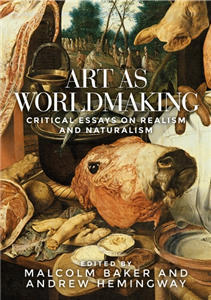
Art as worldmaking is a response to Alex Potts's provocative 2013 book Experiments in modern realism. Twenty essays by leading scholars test Potts's recasting of realism through examinations of art produced in different media and periods, ranging from eighth-century Chinese garden aesthetics to video work by the contemporary Russian collective Radek Community. While the book does not neglect avatars of pictorial realism such as Menzel and Eakins, or the question of nineteenth-century realism's historical antecedents, it is contemporary in orientation in that many contributors are particularly concerned with the questions that sculpture, photography and non-traditional media pose for realism as an aesthetic norm. It will be essential reading for students of art history concerned with art's truth value or more broadly with conceptual problems of representation and the intersections of art and politics.
Trusted Partner

The Art of The Faerie Queene is the first book centrally focused on the forms and poetic techniques employed by Spenser. It offers a sharp new perspective on Spenser by rereading The Faerie Queene as poetry which is at once absorbing, demanding and experimental. Instead of the traditional conservative model of Spenser as poet, this book presents the poem as radical, edgy and unconventional, thus proposing new ways of understanding the Elizabethan poetic Renaissance. The book moves from the individual words of the poem to metre, rhyme and stanza form onto its larger structures of canto and book. It will be of particular relevance to undergraduates studying Elizabethan poetry, graduate students and scholars of Renaissance poetry, for whom the formal aspect of the poetry has been a topic of growing relevance in recent years.
Trusted Partner

The Art of The Faerie Queene is the first book centrally focused on the forms and poetic techniques employed by Spenser. It offers a sharp new perspective on Spenser by rereading The Faerie Queene as poetry which is at once absorbing, demanding and experimental. Instead of the traditional conservative model of Spenser as poet, this book presents the poem as radical, edgy and unconventional, thus proposing new ways of understanding the Elizabethan poetic Renaissance. The book moves from the individual words of the poem to metre, rhyme and stanza form onto its larger structures of canto and book. It will be of particular relevance to undergraduates studying Elizabethan poetry, graduate students and scholars of Renaissance poetry, for whom the formal aspect of the poetry has been a topic of growing relevance in recent years.
Trusted Partner
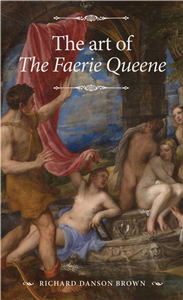
The Art of The Faerie Queene is the first book centrally focused on the forms and poetic techniques employed by Spenser. It offers a sharp new perspective on Spenser by rereading The Faerie Queene as poetry which is at once absorbing, demanding and experimental. Instead of the traditional conservative model of Spenser as poet, this book presents the poem as radical, edgy and unconventional, thus proposing new ways of understanding the Elizabethan poetic Renaissance. The book moves from the individual words of the poem to metre, rhyme and stanza form onto its larger structures of canto and book. It will be of particular relevance to undergraduates studying Elizabethan poetry, graduate students and scholars of Renaissance poetry, for whom the formal aspect of the poetry has been a topic of growing relevance in recent years.
Trusted Partner
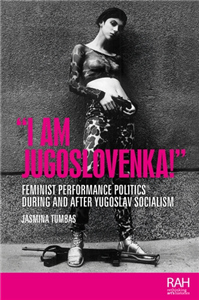
"I am Jugoslovenka" argues that queer-feminist artistic and political resistance were paradoxically enabled by socialist Yugoslavia's unique history of patriarchy and women's emancipation. Spanning performance and conceptual art, video works, film and pop music, lesbian activism and press photos of female snipers in the Yugoslav wars, the book analyses feminist resistance in a range of performative actions that manifest the radical embodiment of Yugoslavia's anti-fascist, transnational and feminist legacies. It covers celebrated and lesser-known artists from the 1970s to today, including Marina Abramovic, Sanja Ivekovic, Vlasta Delimar, Tanja Ostojic, Selma Selman and Helena Janecic, along with music legends Lepa Brena and Esma Redzepova. "I am Jugoslovenka" tells a unique story of women's resistance through the intersection of feminism, socialism and nationalism in East European visual culture.
Trusted Partner

Capitalising on developments in the field over the past decade, Riddles at work provides an up-to-date microcosm of research on the early medieval riddle tradition. The book presents a wide range of traditional and experimental methodologies. The contributors treat the riddles both as individual poems and as parts of a tradition, but, most importantly, they address Latin and Old English riddles side-by-side, bringing together texts that originally developed in conversation with each other but have often been separated by scholarship. Together, the chapters reveal that there is no single, right way to read these texts but rather a multitude of productive paths. This book will appeal to students and scholars of early medieval studies. It contains new as well as established voices, including Jonathan Wilcox, Mercedes Salvador-Bello and Jennifer Neville.
Trusted Partner
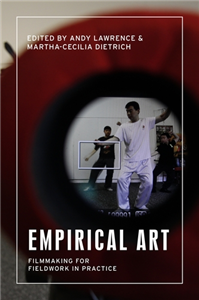
Empirical art: Filmmaking for fieldwork in practice is an insightful exploration of what the craft of filmmaking brings to social science research. Providing creative avenues on how to narrate encounters, relationships, and experiences during fieldwork, this comprehensive volume offers a rich tapestry of theoretical explorations and explorative methodologies. Skilfully connecting the worlds of ethnography, art and cinema, the contributors in this book act as a compass for filmmakers and researchers venturing to use a camera and microphone to relate and narrate their research collaborations and fieldsites. Drawing from the authors' extensive experience in disciplines like social anthropology, environmental humanities, and political science, "Empirical Art" breaks down the intricate process of crafting ethnographic films that departs from the researcher's subjectivity. Covering aspects of filmmaking from conceptualisation to production and distribution, readers are equipped with a treasure trove of collaborative techniques, innovative approaches, and ethical considerations necessary to generate and examine storytelling practices in contemporary fields of study. The authors discuss the significance of the multiple roles that technologies of filmmaking play in reflecting on cultural practices, social dynamics, and (beyond) human storytelling and their transformative potentials. Whether a seasoned filmmaker, an aspiring ethnographer, or an academic seeking new dimensions for their research, Empirical Art serves as a guide to integrating visual storytelling, cinema craft and empirical research.
Trusted Partner
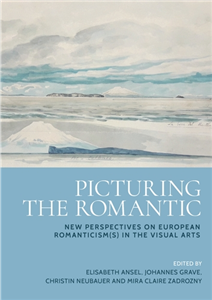
European Romanticism in the visual arts has always been defined by transnational transfer processes. It is surprising that international aspects of Romantic movements have been, in contrast to literary studies, a gap in art historical research. Picturing the Romantic addresses this issue and reveals new perspectives on European Romanticism(s) in the visual arts by reconsidering the phenomenon's traditional canon, geographical dimensions and terminology and analysing various examples of the complex and heterogeneous works of Romantic painting. In sixteen original essays, renowned and early career researchers examine the question of whether to speak of several independently considered Romanticisms or one European Romanticism. They adopt a transnational perspective on Romantic art in and beyond Europe, focusing on the interconnections between the countries.
Trusted Partner
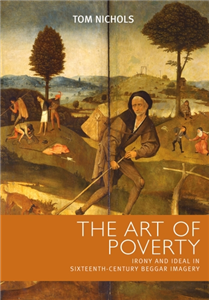
The art of poverty is the first book in English to analyse depictions of beggars in sixteenth-century European art. Featuring works from Germany, the Low Countries, Britain, France and Italy, it discusses a diverse body of imagery in many different media, from crude woodcuts to monumental church altarpieces. It develops a striking thesis, arguing that these works largely conformed to two paradoxical, though mutually supportive, representational approaches. The earlier chapters follow the emergence of a trenchantly negative approach in Northern art, in which beggars are shown as vagabonds, whose idleness and thievery threatened the values of sixteenth-century society (especially its growing emphasis on the need to work). In the other predominant visual mode, beggars are exalted as examples of sacred purity. In many Italian religious paintings, beggars are morally exalted with reference to sacred texts, and made formally beautiful with reference to revered artistic models. Though these approaches reflect the impact of religious reform, it is shown that, by the end of the century, they happily co-existed within Protestant and Catholic cultures. The final part of the book is concerned with the issue of artistic style and with the growing tendency of the beggar image to mediate and dissolve the didactic traditions through which it had originally been defined. The art of poverty will be of special interest to scholars and students of Renaissance art history, and its progressive approach and cross-disciplinary theme and perspective will also make it vital reading for those concerned with the development of early modern European culture. ;
Trusted Partner
Art, medicine and health have many points of contact and a long tradition. Even in Greek mythology, Apollo was the god of the arts. Artistic approaches to therapy (including visual and performing arts, music, dance and literature) have been used for many centuries and are still offered in some medical institutions today. Despite this long practical experience, there is little scientific evidence of its effectiveness. Basic research provides an important basis for art therapy with interesting new approaches for investigating possible mechanisms of action. In addition, the overall social signifi- cance of art for health is an important topic, especially with regard to preventive effects for the population. The book provides a comprehensive overview of how art can be used as a health-promoting resource and highlights various research approaches. In addition, a brief review of the historical development of art in medicine is given. For the first time, the influence of music, painting, dance, literature and architecture on people’s state of health and the healing effect they can have is shown. Target group: Art therapists, artists, psychotherapists, child and adolescent psychologists, psychoanalysts and psychologists, health professionals, music and dance therapists, art and music educators, community musicians
Trusted Partner
 Trusted Partner
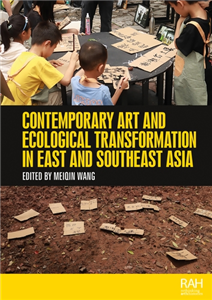
This anthology, presenting new research from fourteen scholars, delves into the interplay between contemporary art and ecological concerns in East and Southeast Asia. Focused on the concept of artistic remediation, the book unravels the diverse capacities of art to combat systemic anthropogenic destruction to the environment and ecology. At its core, the book articulates the ongoing ecological transformation in art and art history that embraces a paradigm shift in human-nature relationships, emphasizing interconnectedness of all life forms of the Earth. Bridging art studies, activism, and environmental studies, the book examines how artistic practices in the region have engaged with ecocritical reflection, biodiversity advocacy, sustainable practices, and environmental justice, among others. Providing a platform for critical and timely analysis of artistic interventions in the face of existential crises, the book acknowledges diverse voices of scholars who have situated their scholarship in the cultural and artistic specificities of various societies, locales, and communities in the region.
Trusted Partner
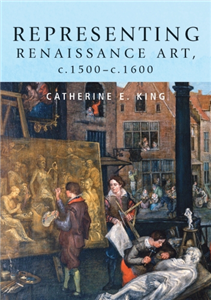
Representing Renaissance art, c.1500-c.1600 is a study of change and continuity in the iconographies of art and the visual representation of artists during the sixteenth century, especially in Italy and the Netherlands. The issue of how, and how far, artists obtained higher status for their profession during the Renaissance is a key question for the study of the early modern period. This book considers the maintenance of well-established traditions for the visual representation of artists, and also examines the new iconographies that emerged in the sixteenth century. By highlighting art and architecture that artists designed for their personal use, including the decoration of their houses, this study provides insight into the tastes and 'ways of looking' specific to artists. By examining the visual evidence we see the opinions both of artists who expressed their views in literary texts, and additionally those of artists who did not publish their ideas in written form.
Trusted Partner
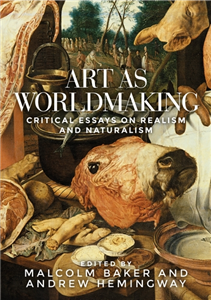
Introduction : Realism and its others in the 21st century: Why Realism won't go away - Andrew Hemingway Part I: Theory 1. The figure as double agent: realism and abstraction in European post-war art - Briony Fer 2. Realism's Credibility Problem - Joshua Shannon 3. If only; only if ... - Adrian Rifkin Part II: Sculpture 4. Confronting the Veristic Sculptural Portrait - Malcolm Baker 5. Sculpture, Realism and the Neo-classical Ideal - Martina Droth 6. Elasticity and Victorian Sculptural Form - Caroline Arscott 7. Image of the People: Charles Ray's Recent Work - Anne M. Wagner Part III: Garden Design 8. Of Gardens and Persons: the English Engagement with China's Garden Design - Martin Powers 9. Traditional Views. Conservative Anti-Naturalism and Landscape Aesthetics in France around 1900 - Neil McWilliam Part IV: Painting and Photography 10. Willem Kalf on Reflexykonst and the Aesthetics of Transformation in Still Life - Celeste Brusati 11. Democratic light: phenomenology and the worldliness of painting - Brendan Prendeville 12. The Visibility of Labor - T.J. Clark 13. Body and Soul in the work of Thomas Eakins and F. Holland Day - Rebecca Zurier Part V: Photography and Conema 14. Photography as counter forensics - Steve Edwards 15. Woman, War and Social Documentary Photography in South Africa - Tamar Garb 16. Antonioni's Blow-Up (1966): photography and film - Lisa Tickner Part VI: Post-Media / Contemporary Practice 17. Peter Dreher's Everyday Realism - Alistair Rider 18. From grey and rainy Vermont - Thomas Crow 19. 'Every day, something happens to us': Realism at the crossroads - Gail Day Index

