
Dominique et compagnie
Livres Canada Books
View Rights Portal


 Trusted Partner
 Trusted Partner


This book provides the first detailed analysis of the work of four important contemporary directors whose work falls between the reductive labels of 'auteur cinema' and 'popular cinema'. Their work is contextualised within this timely investigation into the shifting relationship between the privileged status of the auteur and questions of genre, gender and cinematic production in France today. This important contribution to understanding the shifting landscapes of contemporary French film identifies an essential intermediacy in the films of these directors, which works to undo a series of dominant oppositions, generic template and contestation, public collectivity and personal intimacy, to offer a new perspective on the location of the political in contemporary French cinema. The four chapters provide detailed critical analysis of films by Dominique Cabrera, Laetitia Masson, Noémie Lvovsky and Marion Vernoux, and present common thread including the possible construction of social intimacy, the political demystification of romance narratives and the role of nostalgia, to argue that their work uses popular genres in order to challenge dominant cultural representation that resonates beyond the immediate parameters of contemporary French cinema. This book will be of interest to researchers working in French and European cinema, to students of Film Studies and French and Francophone Studies, and to film enthusiasts.
Trusted Partner
Trusted Partner
Trusted Partner

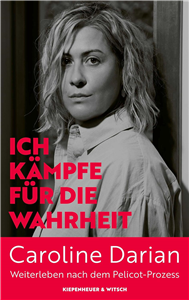
Caroline Darian erzählt in diesem tagebuchartigen Bericht, wie die Familie den Pelicot-Prozess erlebt hat. Dass ihr Vater Dominique Pelicot sich nicht dazu äußert, ob er auch sie missbraucht hat. Sein Schweigen trifft sie ebenso hart wie das ihrer Mutter. Am 19. Dezember 2024 endete der größte Vergewaltigungsprozess unseres Jahrhunderts, der Pelicot-Prozess: ein Meilenstein im Kampf gegen sexuelle Gewalt an Frauen. In ihrem zweiten Buch beleuchtet Caroline Darian, Tochter des Opfers Gisèle und des Täters Dominique Pelicot, klar und mutig die erheblichen Lücken im Ermittlungsverfahren. Auch sie selbst ist davon betroffen: Ihr Vater hat sie betäubt, fotografiert und vermutlich missbraucht. Caroline setzt ihren Kampf gegen die sogenannte chemische Unterwerfung fort, damit all die Opfer ohne Beweise oder Erinnerungen nicht vergessen werden. Sie hat Wege geebnet, um die Gesetzeslage in Frankreich zu verändern. Ihr unerschütterlicher Einsatz ist unbezahlbar und schenkt uns Hoffnung und Mut.
Trusted Partner
Trusted Partner
Trusted Partner
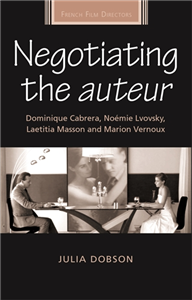
This book provides the first detailed analysis of the work of four important contemporary directors whose work falls between the reductive labels of 'auteur cinema' and 'popular cinema'. Their work is contextualised within this timely investigation into the shifting relationship between the privileged status of the auteur and questions of genre, gender and cinematic production in France today. This important contribution to understanding the shifting landscapes of contemporary French film identifies an essential intermediacy in the films of these directors, which works to undo a series of dominant oppositions, generic template and contestation, public collectivity and personal intimacy, to offer a new perspective on the location of the political in contemporary French cinema. The four chapters provide detailed critical analysis of films by Dominique Cabrera, Laetitia Masson, Noémie Lvovsky and Marion Vernoux, and present common thread including the possible construction of social intimacy, the political demystification of romance narratives and the role of nostalgia, to argue that their work uses popular genres in order to challenge dominant cultural representation that resonates beyond the immediate parameters of contemporary French cinema. This book will be of interest to researchers working in French and European cinema, to students of Film Studies and French and Francophone Studies, and to film enthusiasts. ;
Trusted Partner


Maria Dessauer wurde 1920 in Frankfurt am Main geboren und war Schriftstellerin, Literaturübersetzerin und von 1974 bis 1983 Lektorin beim Suhrkamp Verlag. Unter anderem übersetzte sie die Werke von Lewis Caroll, Marguerite Duras und Gustave Flaubert. Dessauer starb am 21. Januar 2021 in Frankfurt.
Trusted Partner
Trusted Partner
Trusted Partner

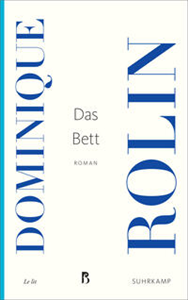
Evas Mann ist unheilbar erkrankt, und sie möchte ihn bis ans Ende begleiten. Aber was wird unter dem Druck der Hoffnungslosigkeit aus der Liebe? Geht sie weiter oder muss sie gar neu beginnen? Zärtlich und dennoch unerschrocken präzise stellt dieser Roman die Frage, welche Spur der Tod durch das Leben zieht und wohin sie führt. Dieses Buch ist Teil der Reihe Französische Bibliothek . Sie ist in Zusammenarbeit zwischen der Académie de Berlin und dem Suhrkamp Verlag entstanden. Gemeinsam wollen sie auf bedeutende, aber fast vergessene Werke der modernen französischen Literatur aufmerksam machen – die Französische Bibliothek soll dazu als Kompass dienen und als Anregung, sich immer wieder aufs Neue für französische Literatur in deutscher Sprache zu begeistern.
Trusted Partner

Mary Kelly, we are told, was not a feminist artist, but a feminist who made art. Designed to accompany a major retrospective at the Whitworth Art Gallery, this book contains essays and interviews which show the implications of that distinction and also the legacy of feminists and feminism in relation to art. Challenging and beautiful, Kelly's artworks address questions of sexuality, identity and historical memory in the form of large-scale narrative installations. The works are agilely discussed in contributions by some of the luminary feminist art scholars of our time, including Janet Wolff, Laura Mulvey, Carol Mavor and Amelia Jones, making this collection an essential new text in the discourse on art, feminism, psychoanalysis and representation.
Trusted Partner
Trusted Partner
Trusted Partner

 Trusted Partner
Trusted Partner
Trusted Partner


In "The Sun Is Also A Star" von Nicola Yoon kreuzen sich die Wege von Daniel, dem Sohn koreanischer Einwanderer, und Natasha, einem jamaikanischen Mädchen, das am selben Tag abgeschoben werden soll. Während Daniel an Schicksal und Liebe glaubt, ist Natasha eine Realistin, die sich auf Wissenschaft und Fakten verlässt. An einem einzigen Tag in New York City erleben sie gemeinsam eine Reihe von Ereignissen, die sie einander näherbringen und sie über das Leben, den Zufall und die Liebe philosophieren lassen. Trotz der drohenden Abschiebung Natashas entwickelt sich zwischen ihnen eine tiefe Verbindung, die die Frage aufwirft, ob Liebe stark genug ist, um das Unabwendbare zu überwinden. Nicola Yoons Roman ist eine moderne Liebesgeschichte, die sich mit Themen wie Identität, Familie, Einwanderung und dem Schicksal auseinandersetzt. Die Geschichte wird durch abwechslungsreiche Erzählstile, einschließlich kurzer Kapitel aus verschiedenen Perspektiven, angereichert und bietet dadurch einzigartige Einblicke in die Leben und Hintergründe der Charaktere. Durch die Verwendung von E-Mails, Listen und grafischen Darstellungen wird die Geschichte visuell und emotional ansprechend erzählt. Die Beziehung zwischen Daniel und Natasha zeigt, wie zwei Menschen aus unterschiedlichen Welten in der Lage sein können, sich über kulturelle und persönliche Grenzen hinweg zu verbinden und einander zu beeinflussen. Einzigartige Liebesgeschichte: Eine bewegende Erzählung über zwei Jugendliche aus verschiedenen Kulturen, die durch das Schicksal zusammengeführt werden. Aktuelle Themen: Behandelt wichtige Fragen zu Identität, Einwanderung und Rassismus auf eine Weise, die junge Leser anspricht und zum Nachdenken anregt. Vielschichtige Charaktere: Tiefgründig gezeichnete Figuren, deren Geschichten und Hintergründe für eine reichhaltige, emotionale Leseerfahrung sorgen. Innovative Erzählweise: Abwechslungsreiche Kapitel und visuelle Elemente wie E-Mails und Listen machen das Buch zu einem besonderen Leseerlebnis. Philosophische Betrachtungen: Stellt Fragen nach Zufall, Schicksal und der Existenz der Liebe, die junge wie erwachsene Leser gleichermaßen fesseln. Vielfach gelobt: Von Kritikern und Lesern für seine kluge Erzählung und sprachliche Überzeugungskraft gepriesen. Für Fans von Liebesgeschichten: Ideal für Leser, die nach einer Geschichte mit Herz, Tiefgang und Relevanz suchen. Visuell ansprechend: Die gestalterische Aufbereitung unterstützt die emotionale Wirkung der Geschichte und macht das Buch zu einem Highlight im Bücherregal.



