
Éditions David
Livres Canada Books
View Rights Portal

David and Charles is an independent publisher of non-fiction books, predominantly in art, craft and creative categories. Our titles feature industry-leading authors and award-winning editorial and design, commissioned for commercial success in all markets. Category focus on practical how-to books in art, crochet, knitting, general crafts, patchwork & quilting, sewing and wellbeing. Cornerstone titles which are highly illustrated, project, technique and trend orientated.
View Rights Portal

Ein kindliches Gemüt, gepaart mit tiefer Melancholie, ein etwas verschrobener Außenseiter, ein politisch unbequemer Geist: Caspar David Friedrich – geboren in Greifswald, bereits zu Lebzeiten umstritten, nach seinem Tod für ein halbes Jahrhundert vergessen, heute der bedeutendste Maler der deutschen Romantik. In seiner prägnanten Biografie erzählt Boris von Brauchitsch, wie Caspar David Friedrich die Malerei revolutionierte, entschieden mit dem Kunstverständnis seiner Zeitgenossen brach und mit seinen rätselhaften Bildern zu einem prägenden Vorläufer der Moderne wurde. Dabei zeigt er überraschende Zusammenhänge auf, nimmt die Wiederentdeckung und enthusiastische Rezeption des Malers in den Blick und macht anschaulich, warum die Faszination seines Werkes gerade heute – in Zeiten von Wachstumsskepsis und einer Rückbesinnung auf die Kräfte einer zusehends bedrohten Natur – eine besondere Wirkung entfaltet.

Ein kindliches Gemüt, gepaart mit tiefer Melancholie, ein etwas verschrobener Außenseiter, ein politisch unbequemer Geist: Caspar David Friedrich – geboren in Greifswald, bereits zu Lebzeiten umstritten, nach seinem Tod für ein halbes Jahrhundert vergessen, heute der bedeutendste Maler der deutschen Romantik. In seiner prägnanten Biografie erzählt Boris von Brauchitsch, wie Caspar David Friedrich die Malerei revolutionierte, entschieden mit dem Kunstverständnis seiner Zeitgenossen brach und mit seinen rätselhaften Bildern zu einem prägenden Vorläufer der Moderne wurde. Dabei zeigt er überraschende Zusammenhänge auf, nimmt die Wiederentdeckung und enthusiastische Rezeption des Malers in den Blick und macht anschaulich, warum die Faszination seines Werkes gerade heute – in Zeiten von Wachstumsskepsis und einer Rückbesinnung auf die Kräfte einer zusehends bedrohten Natur – eine besondere Wirkung entfaltet.
 Trusted Partner
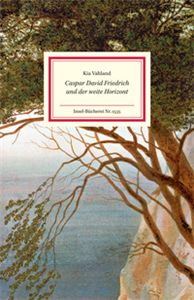
Caspar David Friedrich macht es seinen Betrachterinnen und Betrachtern nicht leicht. Immer steht dem Blick etwas im Weg: eine Rückenfigur, ein Stein, eine Baumwurzel. Mit seiner Kunst der Gegensätze wurde der Romantiker aus Greifswald zum Seelenmaler vor allem vieler Deutscher, etwa mit seinem »Wanderer über dem Nebelmeer« (um 1818). Doch die Malerei dieses eigensinnigen Mannes ist nicht plakativ und düster, sondern subtil, farben- und ideenreich: eine Feier der Natur und innerer Landschaften. Zu Caspar David Friedrichs 250. Geburtstag lädt die Kunsthistorikerin und Sachbuch-Autorin Kia Vahland ein, seine Meisterwerke neu zu entdecken. Ihr mitreißend erzähltes Buch führt durch Leben, Werk und Zeit des Malers und Zeichners und erklärt die erstaunlichen Ergebnisse der jüngeren Forschung.
Trusted Partner


David and Bathsheba presents a modernised edition of George Peele's explosive biblical drama about the tangled lives, deadly liaisons, and twisted histories of Ancient Israel's royal family. Martin's critical edition is the first modern single-volume edition of the play since 1912 and opens up this unduly neglected gem of English Renaissance drama to student and scholar alike. The introduction examines such topics as the play's treatment of its biblical and poetic sources, its engagement with Elizabethan politics, and its forceful representations of religious fanaticism, genocide, and sexual violence. Its commentary notes clarify the text's meaning and staging, guide the reader through the play's dramatisation of the turbulent Davidic period of Ancient Israel's history, and place the play in its broader cultural and artistic milieu. Martin's edition aims to encourage new contemporary critical study of Peele's powerful and disturbing drama.
Trusted Partner

David and Bathsheba presents a modernised edition of George Peele's explosive biblical drama about the tangled lives, deadly liaisons, and twisted histories of Ancient Israel's royal family. Martin's critical edition is the first modern single-volume edition of the play since 1912 and opens up this unduly neglected gem of English Renaissance drama to student and scholar alike. The introduction examines such topics as the play's treatment of its biblical and poetic sources, its engagement with Elizabethan politics, and its forceful representations of religious fanaticism, genocide, and sexual violence. Its commentary notes clarify the text's meaning and staging, guide the reader through the play's dramatisation of the turbulent Davidic period of Ancient Israel's history, and place the play in its broader cultural and artistic milieu. Martin's edition aims to encourage new contemporary critical study of Peele's powerful and disturbing drama.
Trusted Partner

This book examines the television serials created by influential showrunner David Simon. The book argues that Simon's main theme is the state of the contemporary American city and that all of his serials (barring one about the Iraq War) explore different facets of the metropolis. Each series offers distinctly different visions of the American city, but taken together they represent a sustained and intricate exploration of urban problems in modern America. From deindustrialisation in The Wire and residential segregation in Show Me a Hero to post-Katrina New Orleans in Treme and the transformation of the urban core in The Deuce, David Simon's American city traces the urban through-line in Simon's body of work. Based on sustained analysis of these serials and their engagement with contemporary politics and culture, David Simon's American city offers a compelling examination of one of television's most arresting voices.
Trusted Partner
For nearly half a century Anne Lake Prescott has been a force and an inspiration in Renaissance studies. A force, because of her unique blend of learning and wit and an inspiration through her tireless encouragement of younger scholars and students. Her passion has always been the invisible bridge across the Channel: the complex of relations, literary and political, between Britain and France. The essays in this long-awaited collection range from Edmund Spenser to John Donne, from Clément Marot to Pierre de Ronsard. Prescott has a particular fondness for King David, who appears several times; and the reader will encounter chessmen, bishops, male lesbian voices and Roman whores. Always Prescott's immense erudition is accompanied by a sly and gentle wit that invites readers to share her amusement. Reading her is a joyful education.
Trusted Partner
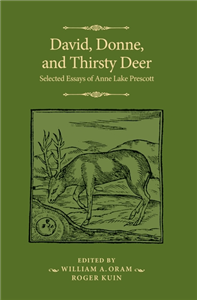
For nearly half a century Anne Lake Prescott has been a force and an inspiration in Renaissance studies. A force, because of her unique blend of learning and wit and an inspiration through her tireless encouragement of younger scholars and students. Her passion has always been the invisible bridge across the Channel: the complex of relations, literary and political, between Britain and France. The essays in this long-awaited collection range from Edmund Spenser to John Donne, from Clément Marot to Pierre de Ronsard. Prescott has a particular fondness for King David, who appears several times; and the reader will encounter chessmen, bishops, male lesbian voices and Roman whores. Always Prescott's immense erudition is accompanied by a sly and gentle wit that invites readers to share her amusement. Reading her is a joyful education.
Trusted Partner
Trusted Partner
Trusted Partner
Trusted Partner
 Trusted Partner
Trusted Partner
Trusted Partner
Trusted Partner
Trusted Partner
 Trusted Partner
Trusted Partner
Trusted Partner
 Trusted Partner
 Trusted Partner

This volume is the first ever attempt to unite and translate some of the key texts which informed Johan Huizinga's famous study of the Burgundian court, The Waning of the Middle Ages, a work which has never gone out of print. It combines these texts with sources that Huizinga did not consider, those that illuminate the wider civic world that the Burgundian court inhabited and the dynamic interaction between court and city. Through these sources, and an introduction offering new perspectives on recent historiography, the book tests whether Huizinga's controversial vision of the period still stands. Covering subjects including ceremonial events, such as the spectacles and gargantuan banquets that made the Burgundian dukes the talk of Europe, the workings of the court, and jousting, archery and rhetoric competitions, the book will appeal to students of late medieval and early modern Europe and to those with wider interests in court culture, ritual and ceremony.
Trusted Partner
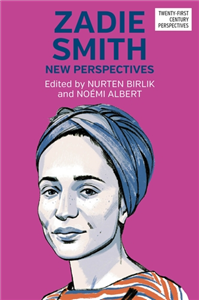
Zadie Smith's fiction reimagines subjectivity, relationality, and the conditions of contemporary life. This book offers a timely reassessment of her work, addressing identity, urban experience, and the category of the human. Moving beyond postcolonial and multiculturalist readings, it brings psychoanalytic, historical, symptomatic, and cultural materialist perspectives to bear across her novels, stories, essays, and plays. The collection explores how Smith's characters, shaped by diverse backgrounds and settings, challenge fixed ideas of Britishness and personhood. It argues that her writing opens up a new ontological space-defined by fluid identities, shifting subjectivities, and evolving forms of relationality. By reconsidering both the human and the spatial in Smith's work, the book makes a valuable contribution to contemporary literary criticism and to current thinking on narrative, identity, and urban life.



