
Éditions David
Livres Canada Books
View Rights Portal

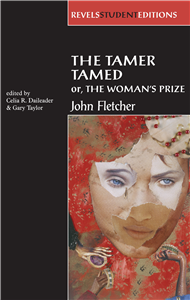
This is the first edition for students and general readers of this pro-woman reply to Shakespeare's 'The Taming of the Shrew' by a playwright (John Fletcher) who was more admired than Shakespeare in the seventeenth century. Co-edited by a feminist critic and a distinguished textual scholar, this new textbook makes clear why "The Tamer Tamed" should be restored to the theatrical repertoire and the literary canon. It includes the fullest commentary ever provided for the play, explaining for modern students Fletcher's verbal exuberance and his uninhibited sexual language. The full critical introduction describes the play's Renaissance context, its historical and literary sources (including Aristophanes's "Lysistrata"), and its subversive relationship to Shakespeare's "Shrew" and Ben Jonson's "The Silent Woman". It also surveys the play's subsequent theatrical and critical history. A unique and essential companion to the numerous textbook editions of Shakespeare's play, "The Tamer Tamed" provides exciting new material for current debates about the history of gender, marriage, and drama. ;

David and Bathsheba presents a modernised edition of George Peele's explosive biblical drama about the tangled lives, deadly liaisons, and twisted histories of Ancient Israel's royal family. Martin's critical edition is the first modern single-volume edition of the play since 1912 and opens up this unduly neglected gem of English Renaissance drama to student and scholar alike. The introduction examines such topics as the play's treatment of its biblical and poetic sources, its engagement with Elizabethan politics, and its forceful representations of religious fanaticism, genocide, and sexual violence. Its commentary notes clarify the text's meaning and staging, guide the reader through the play's dramatisation of the turbulent Davidic period of Ancient Israel's history, and place the play in its broader cultural and artistic milieu. Martin's edition aims to encourage new contemporary critical study of Peele's powerful and disturbing drama.
 Trusted Partner

David and Bathsheba presents a modernised edition of George Peele's explosive biblical drama about the tangled lives, deadly liaisons, and twisted histories of Ancient Israel's royal family. Martin's critical edition is the first modern single-volume edition of the play since 1912 and opens up this unduly neglected gem of English Renaissance drama to student and scholar alike. The introduction examines such topics as the play's treatment of its biblical and poetic sources, its engagement with Elizabethan politics, and its forceful representations of religious fanaticism, genocide, and sexual violence. Its commentary notes clarify the text's meaning and staging, guide the reader through the play's dramatisation of the turbulent Davidic period of Ancient Israel's history, and place the play in its broader cultural and artistic milieu. Martin's edition aims to encourage new contemporary critical study of Peele's powerful and disturbing drama.
Trusted Partner

This book examines the television serials created by influential showrunner David Simon. The book argues that Simon's main theme is the state of the contemporary American city and that all of his serials (barring one about the Iraq War) explore different facets of the metropolis. Each series offers distinctly different visions of the American city, but taken together they represent a sustained and intricate exploration of urban problems in modern America. From deindustrialisation in The Wire and residential segregation in Show Me a Hero to post-Katrina New Orleans in Treme and the transformation of the urban core in The Deuce, David Simon's American city traces the urban through-line in Simon's body of work. Based on sustained analysis of these serials and their engagement with contemporary politics and culture, David Simon's American city offers a compelling examination of one of television's most arresting voices.
Trusted Partner


Mit 14 überredete Taylor ihre Eltern, von Pennsylvania nach Nashville, in die Stadt der Country-Musik, zu ziehen. Denn darum ging es ihr: Country-Sängerin zu werden. Als sie mit 16 ihr erstes, mit Platin ausgezeichnetes Album Taylor Swift herausbrachte, kannten sehr bald alle ihren Namen. Dann wagte sie den Wechsel von Country zu Pop. Die Texte zu ihren Songs schreibt sie auch weiterhin selbst. Sie füllt die größten Stadien der Welt, und die Erde bebt, wenn die Swifties ihr zujubeln. Sie ist ein Star ohne Allüren, der es versteht, Gefühle in Worte zu fassen, die sagen: Du bist okay, so wie du bist. Little People, Big Dreams erzählt von den beeindruckenden Lebensgeschichten großer Menschen: Jede dieser Persönlichkeiten, ob Philosophin, Forscherin oder Sportler, hat Unvorstellbares erreicht. Dabei begann alles, als sie noch klein waren: mit großen Träumen.
Trusted Partner
For nearly half a century Anne Lake Prescott has been a force and an inspiration in Renaissance studies. A force, because of her unique blend of learning and wit and an inspiration through her tireless encouragement of younger scholars and students. Her passion has always been the invisible bridge across the Channel: the complex of relations, literary and political, between Britain and France. The essays in this long-awaited collection range from Edmund Spenser to John Donne, from Clément Marot to Pierre de Ronsard. Prescott has a particular fondness for King David, who appears several times; and the reader will encounter chessmen, bishops, male lesbian voices and Roman whores. Always Prescott's immense erudition is accompanied by a sly and gentle wit that invites readers to share her amusement. Reading her is a joyful education.
Trusted Partner
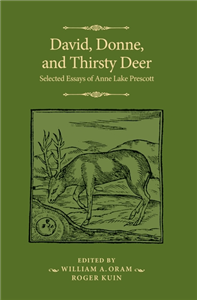
For nearly half a century Anne Lake Prescott has been a force and an inspiration in Renaissance studies. A force, because of her unique blend of learning and wit and an inspiration through her tireless encouragement of younger scholars and students. Her passion has always been the invisible bridge across the Channel: the complex of relations, literary and political, between Britain and France. The essays in this long-awaited collection range from Edmund Spenser to John Donne, from Clément Marot to Pierre de Ronsard. Prescott has a particular fondness for King David, who appears several times; and the reader will encounter chessmen, bishops, male lesbian voices and Roman whores. Always Prescott's immense erudition is accompanied by a sly and gentle wit that invites readers to share her amusement. Reading her is a joyful education.
Trusted Partner

Ausgehend von William James' 1902 erschienener Untersuchung "Die Vielfalt religiöser Erfahrung" verfolgt Charles Taylor die Verschiebungen im Verhältnis von Religion, Individuum und Gesellschaft, von Spirituellem und Politischem bis in die Gegenwart. Der Rückzug des religiösen aus der öffentlichen Sphäre hat die Religion nicht ins Private eingeschlossen; vielmehr verbirgt sich hinter diesem Prozeß eine Kulturrevolution: Der moderne »expressive« Individualismus hat eine Vielfalt neuer Religionsformen und -gemeinschaften hervorgebracht, die auf die traditionellen Formen zurückwirkt und die Gesellschaft verändert. Der Ort der Religion muß neu bestimmt werden.
Trusted Partner

Mit analytischer Schärfe zeichnen Craig Calhoun, Dilip Parameshwar Gaonkar und Charles Taylor in diesem Buch aus unterschiedlichen Perspektiven die Aushöhlung unserer Demokratie nach. Sie beleuchten, wie die herrschenden Eliten versuchen, ihre Privilegien zu sichern, und wie individuelle Freiheit zum Feind von Gleichheit und Solidarität wurde. Aber sie zeigen auch Wege einer möglichen demokratischen Erneuerung auf: Zum einen gilt es, die Idee des Gemeinwohls wiederzuentdecken und an republikanische Traditionen anzuschließen, zum anderen könnten soziale Bewegungen wie Black Lives Matter oder der Green New Deal als Kompass dienen. Ein Weckruf.
Trusted Partner

In der philosophischen Auseinandersetzung zwischen Liberalismus und Kommunitarismus gehört Charles Taylor eher zur Seite der Kommunitaristen. Geht der Liberalismus von einem Individuum aus, das unabhängig von Wertüberzeugungen und frei von sozialen Bindungen ist, betont Taylor die Rolle des Gemeinwesens und die Einbindung des Individuums in die Werte seiner Kultur. Mit der Erfahrung eigener politischer Aktivität diskutiert Taylor in seinen Aufsätzen unter dem Titel Wieviel Gemeinschaft braucht die Demokratie? Themen wie Nationalismus, Ausgrenzung, Solidarität und analysiert den Individualismus der Moderne.
Trusted Partner

Samuel Beckett zeigt in Katastrophe, wie ein Gefangener in Szene gesetzt wird. Ihm gelingt zweierlei: die Katastrophe des Gefangenen zu zeigen und zugleich die ›Katastrophe‹ dessen, der dieses Elend darzustellen versucht. Edward Bond nennt sein neues Stück »Sommer« im Untertitel ein ›europäisches‹ Stück und sagt, er schreibe nicht über einen Deutschen (der in dem Stück von den Greueln der Vergangenheit berichtet, als beschreibe er einen Sonntagsausflug), sondern er schreibe über das Böse als etwas ganz Banales. C.P. Taylor versteht sein Stück »so gut, so schlecht« über den Nazi-Professor Halder als Frage nach seiner eigenen (unserer) Rolle hinsichtlich der ›Friedensverbrechen‹ der westlichen Welt gegenüber der Dritten Welt. Martin Walser untersucht, ob Abhängigkeit und Selbstverwirklichung notwendig ein Widerspruch sind. Zeitlich näher ist uns Rotter, den Thomas Brasch in seinem gleichnamigen Stück beschreibt. Wie soll man einen neuen Staat aufbauen, wenn die Menschen dieselben geblieben sind? Das Irland O'Caseys, wie weit ist das? Viel näher, als man denken könnte. Das, was in der Routine des Alltags zur Selbstverständlichkeit geworden ist, bricht unvermutet heftig aus: der bigotte Katholizismus des Stadtrats Reiligan und der ihn unterstützenden Geistlichkeit, der primitive Antikommunismus.
Trusted Partner

Mit Kosmische Verbindungen setzt Charles Taylor seine Erkundung der romantischen und postromantischen Reaktionen auf die Entzauberung der Welt fort. Standen in seinem sprachphilosophischen Hauptwerk Das sprachbegabte Tier die Philosophen der Romantik im Vordergrund, haben hier nun die Dichter das Wort. In fesselnder Prosa zeigt Taylor, wie sie mit poetischen Mitteln versuchten, die Enttäuschung über den Verlust der metaphysischen Gewissheiten zu überwinden und sich an einen neuen Sinn des Lebens heranzutasten. Die Poesie liefert dabei mehr und anderes als bloß angenehmer zu lesende Äquivalente von »Theorien«: Sie macht die Erfahrung des Verbundenseins auf einzigartige Weise zu ihrem Thema. Die Kraft der Poesie ist daher eine andere als die von Argumenten, aber nicht weniger stark. Nicht immer leicht zu fassen, und doch bewegend, ja geradezu offensichtlich wahr sind ihre Einsichten. Taylors meisterhafte Studie führt uns von Hölderlin und Novalis, Keats und Shelley zu Hopkins, Rilke, Baudelaire und Mallarmé – und weiter zu T. S. Eliot, Czesław Miłosz und anderen. Denn auch in den nachromantischen Dichter-Generationen und eigentlich bis heute wird die Suche nach einer anderen Ausrichtung auf das Leben fortgeführt. Ein herrliches Buch über und vor allem voller Poesie!
Trusted Partner

Laut Nietzsche soll man keinem Gedanken trauen, der nicht im Freien geboren wurde. Astra Taylor hat daher acht Philosophen aus dem Elfenbeinturm auf die Straße geholt: Kwame Anthony Appiah, Judith Butler, Michael Hardt, Martha Nussbaum, Peter Singer, Avital Ronell, Cornel West und Slavoj Žižek. Jeweils zehn Minuten lang geben sie Auskunft über ihre Gedanken – an Orten, die wichtig sind für ihre Philosophie: Appiah spricht auf dem Flughafen über Kosmopolitismus, Singer plädiert auf der Fifth Avenue für Entwicklungshilfe. Und West, der von Taylor durch Manhattan chauffiert wird, denkt über Philosophie nach, über Jazz und über Mut: »Mut ist der entscheidende Wert für einen Philosophen, Mut zu denken, Mut zu lieben, Mut zu hoffen.«
Trusted Partner
Trusted Partner
 Trusted Partner

Der Kopftuchstreit in Deutschland und Frankreich, der Mord an Theo van Gogh in den Niederlanden, der Karikaturenstreit in Dänemark: die politische Dimension religiöser Haltungen ist in den letzten Jahren allgegenwärtig. Der Philosoph Charles Taylor gilt als einer der besten Kenner der modernen Religionsgeschichte und als Experte in Sachen Multikulturalismus. Zusammen mit seinem kanadischen Kollegen Jocelyn Maclure versucht er, eine Antwort auf die Frage zu finden, wie sich eine politische Gemeinschaft gegenüber religiösen Mehrheiten und Minderheiten verhalten sollte. Im Zentrum der Untersuchung steht die Frage der religiösen Neutralität des Staates, die in der Moderne unter dem Begriff des Laizismus diskutiert wird. Mit ihr ist das Problem der individuellen Religions- und Gewissensfreiheit aufs engste verbunden. Taylor und Maclure zeigen eindrucksvoll, daß alleine eine »liberal-pluralistische Politik«, die Religion nicht prinzipiell aus der öffentlichen Sphäre ausschließt, unter den Bedingungen heutiger multikultureller Gesellschaften geeignet ist, ein friedliches Zusammenleben und das fundamentale Recht der freien Religionsausübung und Gewissensfreiheit zu gewährleisten.
Trusted Partner
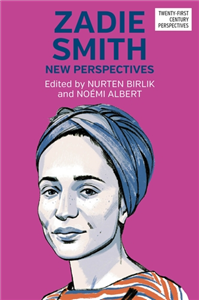
Zadie Smith's fiction reimagines subjectivity, relationality, and the conditions of contemporary life. This book offers a timely reassessment of her work, addressing identity, urban experience, and the category of the human. Moving beyond postcolonial and multiculturalist readings, it brings psychoanalytic, historical, symptomatic, and cultural materialist perspectives to bear across her novels, stories, essays, and plays. The collection explores how Smith's characters, shaped by diverse backgrounds and settings, challenge fixed ideas of Britishness and personhood. It argues that her writing opens up a new ontological space-defined by fluid identities, shifting subjectivities, and evolving forms of relationality. By reconsidering both the human and the spatial in Smith's work, the book makes a valuable contribution to contemporary literary criticism and to current thinking on narrative, identity, and urban life.
Trusted Partner
 Trusted Partner
 Trusted Partner



