
Daniel Goleman - Foreign Audio
Please contact anaban@gmail.com for information
View Rights Portal

Ein angesehener Privatbankier wird erpresst. In einem Luxushotel wird ein Escort-Girl brutal ermordet und die Vereinten Nationen sind Ziel eines Anschlagplans islamistischer Terrorristen. In dem ersten Teil der Thriller-Trilogie »Geneva Girl – Todesursache unbekannt« geht es um Schwarzgeld, Mord und Terrorgefahr in einer der teuersten Städte der Welt: Genf. Im Mittelpunkt des Buches steht eine deutsche Praktikantin bei den Vereinten Nationen, die an Angststörungen und Klaustrophobie leidet, und zwischen die Fronten von Geheimdienst und Diplomatie gerät. Es handelt sich um eine brisante Mischung aus Psycho- und Politthriller. Die Idee zu dem Roman lieferte der nie aufgeklärte Tod des ehemaligen Ministerpräsidenten von Schleswig-Holstein Uwe Barschel im Genfer Hotel Beau-Rivage.
View Rights Portal

 Trusted Partner
 Trusted Partner

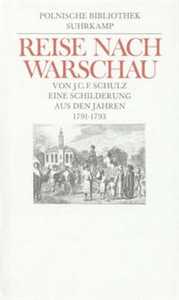
Überwiegend ist das Buch der Schilderung Polens gewidmet, einer Sicht der polnischen Entwicklung in den Jahren 1791 bis 1793. Der Verfasser J. Ch. F. Schulz (1762-1798) berichtet, was er, als Mitglied der kurländischen Abordnung der »Bürgerlichen Union« zum Warschauer Reichstag, erlebt hat: die gesellschaftliche Gliederung des Staates, Sitte und Erziehung, künstlerische Ausdrucksformen, die politische Verfassung nebst der »Topographie« der Hauptstadt. Doch es bleibt nicht bei historisch-sozialen »Merkwürdigkeiten«: Schulz fragt auch nach den Gründen des Niedergangs der »Republik Polen«.
Trusted Partner
 Trusted Partner
 Trusted Partner
 Trusted Partner
 Trusted Partner
Trusted Partner
Trusted Partner
Trusted Partner
Trusted Partner
Trusted Partner
Trusted Partner

 Trusted Partner
Trusted Partner
Trusted Partner


Daniel Calparsoro, a director who has made a crucial contribution to contemporary Spanish and Basque cinema, has provoked strong reactions from the critics. Reductively dismissed as a works of crude violence by those lamenting a 'lost golden age' of Spanish filmmaking, Calparsoro's films in fact reveal a more complex interaction with trends and traditions in both Spanish and Hollywood cinema. This book is the first full-length study of the director's work, from his early social-realist films set in the Basque Country to his later forays into the genres of the war and horror. It offers an in-depth film-by-film analysis while simultaneously exploring the director's position in the contemporary Spanish context, the tension between directors and critics and the question of national cinema in an area - the Basque Country - of heightened national and regional sensitivities.
Trusted Partner

Daniel Calparsoro, a director who has provided a crucial contribution to the contemporary scene in Spanish and Basque cinema, has provoked strong reactions from the critics. Reductively dismissed as a purveyor of crude violence by those critics lamenting a 'lost golden age' of Spanish filmmaking, Calparsoro's films reveal in fact a more complex interaction with trends and traditions in both Spanish and Hollywood cinema. This book is the first full-length study of the director's work, from his early social realist films set in the Basque Country to his later forays into the genres of the war and horror film. It offers an in-depth film-by-film analysis, while simultaneously exploring the function of the director in the contemporary Spanish context, the tension between directors and critics, and the question of national cinema in an area - the Basque Country - of heightened national and regional sensitivities. ;
Trusted Partner


Charles Dickens wurde am 7. Februar 1812 in Landport, England als zweites von acht Kindern geboren. Er wuchs in ärmlichen Familienverhältnissen auf und lernte schon früh die Erfahrung von Hunger und Not kennen, als der Vater in Schuldhaft kam. Charles mußte für die Versorgung der Familie aufkommen und arbeitete, wie zahlreiche andere Kinder auch, in einer Lagerhalle und als Hilfsarbeiter in einer Fabrik. Nachdem die widrigsten Zeiten überstanden waren, setzte er mit vierzehn Jahren seinen Schulbesuch fort und arbeitete später als Schreiber bei einem Rechtsanwalt und als Zeitungsjournalist. Mit seiner Skizzensammlung Sketches by Boz (1836) und The Pickwick Papers (1837) hatte Dickens überraschend Erfolg und wurde schnell zu einem der bekanntesten Autoren Englands. Später erlangte er auch große Bekanntheit in den USA. Dickens erste Romane erschienen alle als Fortsetzungsgeschichten in Zeitungen, so auch eines seiner bekanntesten Werke, Oliver Twist (1837). Dickens war Herausgeber der Tageszeitung Daily News und der Zeitschrift Household Words. Neben der Schriftstellerei verdiente er sich sein Geld mit Lese- und Vortragsreisen in England und den USA. A Christmas Carol (1843), gehörte dabei zu seinem festen Leseprogramm. Charles Dickens starb am 9. Juni 1870 in Kent. Leo Feld, geboren 1869 in Augsburg und verstorben 1924 in Florenz, studierte in Wien Philosophie. Bereits während des Studiums war er für verschiedene Wiener Zeitungen tätig. Später machte er sich als Übersetzer und Schriftsteller einen Namen.
Trusted Partner

 Trusted Partner
 Trusted Partner

Contemporary French cinema is an essential introduction to popular French film of the last 35 years. It charts recent developments in all genres of French cinema with analyses of over 120 movies, from Les Valseuses to Caché. Reflecting the diversity of French film production since the New Wave, this clear and perceptive study includes chapters on the heritage film, the thriller and the war movie, alongside the 'cinéma du look', representations of sexuality, comedies, the work of women film makers and le jeune cinéma. Each chapter introduces the public reception and critical debates surrounding a given genre, interwoven with detailed accounts of relevant films. Confirmed as a major contribution to both Film Studies and French Studies, this book is a fascinating volume for students and fans of French film alike.
Trusted Partner

Contemporary French cinema is an essential introduction to popular French film of the last 35 years. It charts recent developments in all genres of French cinema with analyses of over 120 movies, from Les Valseuses to Caché. Reflecting the diversity of French film production since the New Wave, this clear and perceptive study includes chapters on the heritage film, the thriller and the war movie, alongside the 'cinéma du look', representations of sexuality, comedies, the work of women film makers and le jeune cinéma. Each chapter introduces the public reception and critical debates surrounding a given genre, interwoven with detailed accounts of relevant films. Confirmed as a major contribution to both Film Studies and French Studies, this book is a fascinating volume for students and fans of French film alike.



