
Deutscher Apotheker Verlag
Specialist books in the fields of pharmacy - drug information - medicine.
View Rights Portal Trusted Partner

Specialist books in the fields of pharmacy - drug information - medicine.
View Rights Portal
The German Cultural Forum for Central and Eastern Europe publishes richly illustrated non-fiction books about the cultural history of those areas of Central and Eastern Europe where Germans used to, or still do live. The carefully edited titles with elaborated appendices are written by well-known experts who are able to present information about Central and Eastern Europe in an attractive way by cultural travel guides or historical overview books. The Cultural Forum also edits an annual and a bimonthly magazine, Blickwechsel ("Change of perspective") and Kulturkorrespondenz östliches Europa ("Cultural Correspondence Central and Eastern Europe"). Furthermore, the Forum organizes popular lectures, discussions, readings, exhibitions, concerts, journalist trips, writer residencies and prize-givings.
View Rights Portal Trusted Partner
Trusted Partner
Trusted Partner
Trusted Partner

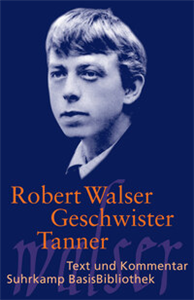
Wie sein Verfasser ist der Held des Buches, Simon Tanner, besessen von einem unbändigen Freiheitsdrang und betrachtet die Welt und die Menschen ganz unbefangen, nicht mit einem »verbildeten, verstopften Kopf«. Das bringt ihn in die kuriosesten Konflikte mit der Welt der Konventionen, mit den Angepaßten, den von Karriere und Konkurrenz Kompromittierten. Durch seine Arglosigkeit provoziert er sie und beschämt sie zugleich durch das, was sie verloren haben: durch Phantasie, Humor, gesunden Menschenverstand und materielle Unbestechlichkeit.
Trusted Partner
Trusted Partner

Der Fall Charles Dexter Ward ist eine Warnung vor den Gefahren historische Forschung; ein junger Liebhaber der Genealogie und der Geschichte allgemein dringt in die Geschichte seiner eigenen Vergangenheit ein und stößt dabei auf einen höchst unguten Vorfahren, Robert Curwen, der sich mit vormenschlichen bösen Mächten eingelassen hat. Seine mit wissenschaftlicher Akribie betriebenen Nachforschungen wecken ein Böses, das längst noch nicht tot ist; sein wiedergängerischer Vorfahr bemächtigt sich des Willens und der äußeren Gestalt seines Urenkels, um seine ruchlosen Beschwörungen und dämonischen Riten in der Gegenwart fortzusetzen – mit den entsetzlichen Folgen, die der Leser Lovecrafts zu Recht vermutet.
Trusted Partner


This book re-examines French cinema of the 1970s. It focuses on the debates which shook French cinema, and the calls for film-makers to rethink their manner of filming, subject matter and ideals in the immediate aftermath of the student revolution of May 1968. Alison Smith examines the effect of this re-thinking across the spectrum of French production, the rise of new genres and re-formulation of older ones. Chapters investigate political thrillers, historical films, new naturalism and Utopian fantasies, dealing with a wide variety of films. A particular concern is the extent to which film-makers' ideas and intentions are contained in or contradicted by their finished work, and the gradual change in these ideas over the decade. The final chapter is a detailed study of two directors who were deeply involved in the debates and events of the 70s, William Klein and Alain Tanner, here taken as exemplary spokesmen for those changing debates as their echoes reached the cinema.
Trusted Partner
Trusted Partner
Trusted Partner
Trusted Partner
Trusted Partner
Trusted Partner
Trusted Partner
Trusted Partner
Trusted Partner
Trusted Partner
Trusted Partner






