
Dominique et compagnie
Livres Canada Books
View Rights Portal


Pablo Neruda's Veinte poemas de amor y una canción desesperada (1924) is the most widely read and best loved book of poetry ever written in Spanish. Its verses can be recited by heart by millions of Latin Americans from every background and walk of life, and it has become almost a bible for young lovers. Yet despite, or perhaps because of this immense popular success, it has received scant attention from scholars, often being studied out of context and in relatively superficial fashion. This new critical edition - the first to include critical notes in English - argues that the book constitutes a critical juncture in the young Neruda's development as a poet, and that the poems are as much painstakingly wrought experiments in style, language and form as they are outpourings of youthful passion. A detailed introduction in English demonstrates that the Viente poemas represent the culmination of complex and sometimes fraught poetic apprenticeship, significant traces of which can be found in the poems themselves. This is followed by a series of commentaries which offer close readings of all twenty-one poems, an extensive bibliography, a selected vocabulary, and a list of key rhetorical and metrical terms. ;
 Trusted Partner
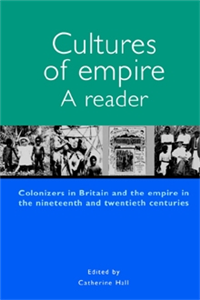
Collects together the best articles by key historians, literary critics, and anthropologists on the cultures of colonialism in the British Empire in the nineteenth and twentieth centuries.. A substantial introduction by the distinguished historian, Professor Catherine Hall, discusses new approaches to the history of empire and establishes a narrative frame through which to read the essays which follow.. The volume is clearly divided into three sections: theoretical, emphasising concepts and approaches; the colonisers 'at home', focusing on how empire was lived in Britain; and 'away' - the attempt to construct new cultures through which the colonisers defined themselves and others in varied colonial sites. A useful guide to recent scholarship on the culture of imperialism. ;
Trusted Partner


"Im Juni 1920 lernt Catherine Pozzi Paul Valéry kennen. Er ist seit zwanzig Jahren verheiratet und hat drei Kinder. Es beginnen acht Jahre einer notgedrungen heimlichen, aber jeden Tag erneuerten und wieder in Frage gestellten Beziehung; acht Jahre der abgenötigten und unhaltbaren Versprechen; Pozzi und Valéry erleiden »den Tod und die Leidenschaft« ihrer Liebe; aber auch acht Jahre der gemeinsamen Arbeit, Lektüre und Forschung; acht Jahre eines intellektuellen und philosophischen Zwiegesprächs unter Gleichen."
Trusted Partner

One of Britain's foremost TV practitioners, Andrew Davies is the creator of programmes such as 'A Very Peculiar Practice', 'To Serve Them All My Days', 'Pride and Prejudice', 'Othello' and 'The Way We Live Now'. Although best known for his adaptations of the work of writers such as Jane Austen and George Eliot, he has written numerous original drama series, single plays, films, stage plays and books. This volume offers a critical appraisal of Davies's work, and assesses his contribution to British television. Cardwell also explores the conventional notions of authorship and auteurism which are challenged by Davies's work. Can we identify Davies as the author of the varied texts attributed to him? If so, does an awareness of his authorial role aid our interpretation and evaluation of those texts? How does the phenomenon of adaptation affect the issue of authorship? How important is 'the author' to television? This book will appeal to both an academic readership, and to the many people who have taken pleasure in Davies's work. ;
Trusted Partner

Nach Geist und Natur. Eine notwendige Einheit hat Gregory Bateson an dem vorliegenden Buch gearbeitet, das er zu Lebzeiten aber nicht mehr zum Abschluß bringen konnte und das von seiner Tochter Mary Catherine fertiggestellt wurde.Ausgehend von dem, was wir über die biologische Welt wissen, sowie davon, was wir über das »Erkennen« zu begreifen vermögen, möchte Bateson erklären, was unter »dem Heiligen« zu verstehen sein könnte. Neben dem »Heiligen« spielen zwei weitere »integrative Erfahrungsdimensionen« eine wichtige Rolle: die des »ästhetischen« und die des »Bewußtseins«. Es ist diese Konstellation von Problemen, der man sich, so Bateson, widmen muß, wenn man zu einer Theorie des Handelns in der lebendigen Welt gelangen will – zu einer kybernetischen Ethik.
Trusted Partner
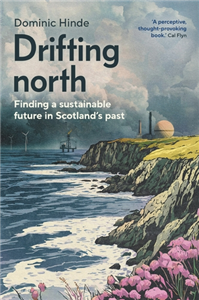
Scotland's past and future collide in this engaging journey through climate change, fossil capitalism and the struggle for a sustainable world. Scotland's history and future are entangled with climate change and the story of the modern world. This small country on the fringes of northern Europe pioneered fossil capitalism and played a key role in its spread across the planet. It is a living museum of the crisis of the west, of deindustrialisation, stagnation and the struggle to build a better future from the ashes. Journalist and sociologist Dominic Hinde travels from the treeless Highlands to the lowland cities, struggling to balance memories with aspiration. Through this journey he finds that his own sensory turmoil, shaped by recovery from a near fatal accident, mirrors the disarray of the fossil fuel transition - an uncertain passage between what was and what must be. Part memoir, part environmental history, part travelogue, this is a compelling narrative of connections - to place, energy and the possibility of renewal. Through the lens of one country, it asks a vital question: can the lessons of the past help us build a more sustainable future?
Trusted Partner

The turn of the twenty-first century has witnessed the striking advance of pornography into the Western cultural mainstream. Symptomatic of this development has been the use by writers, artists, and film-makers of the imagery and aesthetics of pornography, in works which have, often on this basis, achieved considerable international success. Amongst these artists are a number of French authors and directors - such as Michel Houellebecq, Catherine Breillat, Virginie Despentes, or Catherine Millet - whose work has often been dismissed as trashy or exploitative, but whose use of pornographic material may in fact be indicative of important contemporary concerns. In this study of a very significant trend, the authors explore how the reference to pornography encodes diverse political, cultural, and existential questions, including relations between the sexes, the collapse of avant-garde politics, gay sexualities in the time of AIDS, the anti-feminist backlash, the relation to the body and illness, the place of fantasy, and the sexualisation of children. It will be of interest to undergraduates, graduates, and researchers in the fields of French culture, gender, film and media studies.
Trusted Partner

The turn of the twenty-first century has witnessed the striking advance of pornography into the Western cultural mainstream. Symptomatic of this development has been the use by writers, artists, and film-makers of the imagery and aesthetics of pornography, in works which have, often on this basis, achieved considerable international success. Amongst these artists are a number of French authors and directors - such as Michel Houellebecq, Catherine Breillat, Virginie Despentes, or Catherine Millet - whose work has often been dismissed as trashy or exploitative, but whose use of pornographic material may in fact be indicative of important contemporary concerns. In this, the first study of this significant trend, the authors explore how the reference to pornography encodes diverse political, cultural, and existential questions, including relations between the sexes, the collapse of avant-garde politics, gay sexualities in the time of AIDS, the anti-feminist backlash, the relation to the body and illness, the place of fantasy, and the sexualisation of children. It will be of interest to undergraduates, graduates, and researchers in the fields of French culture, gender, film and media studies.
Trusted Partner

Catherine Deneuve is indisputably one of the world's most celebrated actresses, both in her native France and throughout the world. Her career has spanned five decades during which she has worked with the most significant of French auteurs, as well as forging partnerships with international directors such as Bunuel and Polanski. The Deneuve star persona has attained such iconic status that it can now symbolise the very essence of French womanhood and civic identity. In this wide-ranging and authoritative collection of essays by a selection of international film academics and writers, the Deneuve persona is scrutinised and illuminated. Beyond the glamorous iconographic status of Yves Saint Laurent's muse, and the epitome of sexual inviolability, Deneuve's status as actress is foregrounded. The book will be essential reading for students and lecturers in star studies.
Trusted Partner


In "Sturmwächter 1. Das Geheimnis von Arranmore" von Catherine Doyle findet der 11-jährige Fionn Boyle zusammen mit seiner Schwester Tara den Weg zu der magischen irischen Insel Arranmore, um den Sommer bei ihrem Großvater zu verbringen. Dort entdeckt Fionn, dass er in die Fußstapfen seiner Vorfahren treten und als Sturmwächter die Insel und ihre Bewohner vor den dunklen Mächten schützen muss. Die Fähigkeit, Magie in der Flamme einer Kerze einzufangen und in die Vergangenheit zu reisen, eröffnet ihm eine neue Welt voller Geheimnisse und Abenteuer. Doch als sich ein heftiger Sturm ankündigt, steht Fionn vor der Herausforderung, die Inselbewohner vor der erwachenden dunklen Zauberin zu beschützen, die in den Tiefen Arranmores schläft. Catherine Doyles atmosphärisch dicht erzählter Roman ist eine Hommage an die Kraft der Natur und der Magie, verwebt mit der tiefen Verbindung zwischen Familie und Tradition. Fionn muss lernen, sein Erbe anzunehmen, seine Ängste zu überwinden und sein Vertrauen in die eigene Kraft zu finden, um seiner Bestimmung als Sturmwächter gerecht zu werden. "Sturmwächter 1. Das Geheimnis von Arranmore" ist nicht nur ein spannendes Abenteuer über Mut und Selbstfindung, sondern auch eine berührende Geschichte über den Umgang mit Trauer und den Zusammenhalt innerhalb der Familie. Mit seiner einzigartigen Mischung aus Magie, Humor und emotionaler Tiefe zieht das Buch Leser jeden Alters in seinen Bann und legt den Grundstein für eine fesselnde Reihe. Dieses einzigartige Fantasy-Abenteuer für Jung und Alt entführt Leser in eine Welt voller Magie und Mysterien auf der irischen Insel Arranmore, ideal für Leser ab 10 Jahren und auch Erwachsene. Überzeugt durch eine Kombination aus magischen Elementen, Familienbanden und der Auseinandersetzung mit ernsten Themen wie Trauer und Mut, eingebettet in eine fesselnde Handlung. Protagonist Fionn Boyle erlebt eine bemerkenswerte Reise des persönlichen Wachstums, unterstützt durch die lebendigen Nebencharaktere und die komplexe Beziehung zu seiner Familie. Die innovative Nutzung von Magie, insbesondere durch die Kerzen, die Zeitreisen ermöglichen, und die Auseinandersetzung mit der Naturgewalt, verleiht dem Buch eine einzigartige Note. Catherine Doyles Schreibstil ist fließend und atmosphärisch, wodurch die irische Landschaft und die magische Atmosphäre Arranmores lebendig werden. Die Suche nach dem neuen Sturmwächter und der Kampf gegen eine dunkle Macht halten die Spannung hoch und versprechen ein packendes Leseerlebnis. Mit Andeutungen auf zukünftige Herausforderungen und Entwicklungen bleibt die Vorfreude auf weitere Abenteuer in Arranmore bestehen. Neben Unterhaltung bietet das Buch auch Tiefgang durch die Auseinandersetzung mit Mut, Verlust und dem Wert von Erinnerungen.
Trusted Partner

Charles Dickens called his sister-in-law Georgina Hogarth his 'best and truest friend'. Georgina saw Dickens as much more than a friend. They lived together for twenty-eight years, during which time their relationship constantly changed. The sister of his wife Catherine, the sharp and witty Georgina moved into the Dickens home aged fifteen. What began as a father-daughter relationship blossomed into a genuine rapport, but their easy relations were fractured when Dickens had a mid-life crisis and determined to rid himself of Catherine. Georgina's refusal to leave Dickens and his desire for her to remain in his household led to rumours of an affair and even illegitimate children. He left her the equivalent of almost £1 million and all his personal papers in his will. Georgina's commitment to Dickens was unwavering but it is far from clear what he did to deserve such loyalty. There were several occasions when he misused her in order to protect his public reputation. Why did Georgina betray her once much-loved sister? Why did she fall out with her family and risk her reputation in order to stay with Dickens? And why did the Dickenses' daughter Katey say it was 'the greatest mistake ever' to invite a sister-in-law to live with a family?
Trusted Partner

In "Sturmwächter 2. Die Magie von Arranmore", der fesselnden Fortsetzung der "Sturmwächter"-Reihe von Catherine Doyle, spitzt sich die Lage auf der magischen irischen Insel Arranmore dramatisch zu. Der junge Sturmwächter Fionn Boyle steht vor einer seiner größten Herausforderungen: Die böse Zauberin Morrigan regt sich in den Tiefen der Insel, bedrohliche Seelenstelzer landen auf Arranmore, und Fionn muss seine Magie beherrschen lernen, bevor es zu spät ist. Doch diese Aufgabe erweist sich als schwieriger als erwartet, insbesondere da sein Großvater Malachy, der ihm bislang stets zur Seite stand, immer schwächer wird. Mit jedem Tag, der vergeht, intensiviert sich der Kampf um die Insel. Fionn, entkräftet durch das Versiegen seiner magischen Kräfte und konfrontiert mit dem schwindenden Gedächtnis seines Großvaters, ist gezwungen, sich auf seine Freunde Shelby und Sam zu verlassen. Gemeinsam suchen sie nach der verlorenen Armee der Merrows, mystische Meereskreaturen, die als einzige Morrigan und ihre Anhänger aufhalten können. Doch niemand außer Fionn glaubt an deren Existenz. Während die Inselbewohner sich auf eine Invasion vorbereiten, beginnt ein verzweifelter Wettlauf gegen die Zeit, um Arranmore vor der Zerstörung zu bewahren. Diese Fortsetzung bleibt bis zum Schluss spannungsgeladen und bereitet die Bühne für den nächsten Band, der mit Sehnsucht erwartet wird. Die Geschichte setzt die Abenteuer von Fionn Boyle auf der magischen irischen Insel Arranmore fort, wo er gegen die böse Zauberin Morrigan und ihre Seelenstelzer kämpft. Erzählung durchdrungen von der Magie der Insel und einer dichten Atmosphäre, die die Leser in eine Welt voller Geheimnisse und alter Legenden entführt. Fionn steht vor der schwierigen Aufgabe, seine magischen Kräfte zu kontrollieren und die Insel zu schützen, während er persönliches Wachstum und Entwicklung durchmacht. Der Kampf gegen die dunklen Mächte und die Suche nach der verlorenen Armee der Merrows sorgen für durchgehende Spannung und fesselnde Wendungen. Die Sturmwächter-Reihe behandelt komplexe Themen wie Familie, Mut, Vertrauen und den Umgang mit Verlust und Ängsten, was eine zusätzliche emotionale Tiefe schafft. Begeistert Leser jeden Alters mit seiner faszinierenden Welt und der mitreißenden Geschichte. Ideal für Leser ab 10 Jahren, die sich nach magischen Welten sehnen, in denen die Grenzen zwischen Realität und Fantasie verschwimmen und die das Geheimnisvolle und Mystische lieben.
Trusted Partner

Alfredo Bryce Echenique is one of the most widely-read and most widely translated Latin American authors of recent decades, yet this is the first critical edition that makes his work available to students of Hispanic literatures in the English-speaking world. Combining humour and informal language to explore adolescence in middle-class Peru, this edition provides ready points of engagement for young (and not-so-young) adults. The stories and main themes are explained and analysed through a critical introduction, comprehensive notes and vocabulary prepared by one of the leading international scholars of the author's work. Huerto cerrado offers an ideal point of entry to many of the key issues of contemporary Latin American literature, such as the concern with youth and popular culture, issues relating to sexuality, and challenges to dominant social and political structures. This edition offers insights not only into contemporary Peru and the relationship between that country's society and its literature, but also the work of one of the continent's outstanding literary voices. ;
Trusted Partner
If one had to identify one central, defining text from modern Mexican culture, it would be Octavio Paz´s famous essay, El laberinto de la soledad. This fully annotated edition includes the complete text in Spanish (with the author's final revisions), and notes and additional material in English. The editor's introduction contextualizes the essay and discusses central features: autobiographical and textual origins, intellectual sources, reception and canonization, generic ambiguity, structure, and governing symbols. The intellectual sources identified range from Marx, Nietzsche and Freud to the more contemporary ones of the French College of Sociology (Caillois), the Surrealist movement, the ideas of D. H. Lawrence, previous essays from writers in Mexico (such as Samuel Ramos) and Latin America. Several lines of interpretation are examined to show how the work can be read as a psycho-historical essay, an autobiographical construct or a modern literary myth. Transdisciplinary by nature, this literary essay is both an imaginative construction of personal and national identity, and also a critical deconstruction of dominant stereotypes. It seeks to redefine the complex relationships that exist between psychology, myth, history and Mexican culture. This edition also includes excerpts of the author's opinions on his essay, a time-line of Mexican history, a selected vocabulary, and themes for discussion and debate. Paz's first full-length prose work remains his most well-known and widely read text, and this edition will appeal to sixth-form and university students, teachers, researchers and general readers with a knowledge of Spanish. ;
Trusted Partner
El Caballero de Olmedo is a history play, a retelling of a folk talk, a celebrated piece of Golden Age drama, and also an intense mediation upon the power of desire, the deceits of eroticism and literary convention, the injustice of a world obsessed with appearance, and the tragic potential inherent in the courting of beautiful women. The introduction sets this play within the context of Baroque eroticism and sexual mores as well as dramatic practice. The text is presented with glosses to words unfamiliar to undergraduate students; the notes comprise summaries of acts and scenes from a dramatic point of view, and in-depth notes to problematic passages in the text, written with an undergraduate readership in mind. ;
Trusted Partner

Tristana is a novel where love, hate and power converge into a triangle of domination and frustration.Galdós', following the ideas of the Free Teaching Institution, intervened in the arena of the debate around the emancipation of women and their incorporation into the public sphere. Tristana, a young woman subjected to the rule of the tyrannical Don Lope, idealistically tries to find her purpose on life but she ends trapped by the rules of a world dominated by men who only see her as the object of their desire. Written in an experimental manner that defies the boundaries of theatre, epistolary and novel genres, Galdós' displays the purest nature of his characters by presenting their contradictions, weaknesses and virtues. He uses a deliberately ambiguous style that seeks to address fundamental questions regarding the unbalances of a Madrid in times of turbulence, but leaves the reader to draw their own meaning. ;
Trusted Partner

Tristana is a novel where love, hate and power converge into a triangle of domination and frustration.Galdós', following the ideas of the Free Teaching Institution, intervened in the arena of the debate around the emancipation of women and their incorporation into the public sphere. Tristana, a young woman subjected to the rule of the tyrannical Don Lope, idealistically tries to find her purpose on life but she ends trapped by the rules of a world dominated by men who only see her as the object of their desire. Written in an experimental manner that defies the boundaries of theatre, epistolary and novel genres, Galdós' displays the purest nature of his characters by presenting their contradictions, weaknesses and virtues. He uses a deliberately ambiguous style that seeks to address fundamental questions regarding the unbalances of a Madrid in times of turbulence, but leaves the reader to draw their own meaning.
Trusted Partner
Im England der frühen Neuzeit konnte die schlichte Fähigkeit zu buchstabieren lebensrettend sein: Daran entschied sich nämlich, ob man der weltlichen Gerichtsbarkeit überantwortet wurde oder der geistlichen, die die Todesstrafe nicht kannte. Greenblatt beschreibt, wie sich von dieser existentiellen Bedeutung aus der Literaturbegriff immer weiter verzweigte und wie aus einer »Buchstabenwissenschaft« Literaturwissenschaft im modernen Sinn wurde. Ergänzt wird der Band durch einen Kommentar der britischen Literaturwissenschaftlerin Catherine Belsey und eine Betrachtung zu einem der großartigsten Werke der Literaturwissenschaft, zu Erich Auerbachs Mimesis-Buch.
Trusted Partner




