
Between the Lines
Livres Canada Books
View Rights Portal

Bernd Liske, born in 1956, studied mathematics in Chemnitz and is the owner of Liske information management systems. From its founding in 1998 until May 2015, Bernd Liske was a member of the main board of BITKOM, where he worked in the defense, education and knowledge management working groups. In the course of his efforts to deal with the revelations of Edward Snowden in the NSA affair, he was expelled from BITKOM in 2015. From 1998 to 2003 he was a member of the board of the Association of Organizations and Information Systems (VOI). Bernd Liske has been dealing with socio-political issues for many years. In his analyzes and concepts, he deals with social, political and economic problems in our society in order to make contributions to maintaining Germany as a business location. His book “PRISM A Lesson for our Democracy”, published in September, grew out of this. The diversity of the topics he deals with as well as the systemic principles used for their treatment can be followed on his homepage at and on his TWITTER channels @BerndLiske, @LiskeAphorismen and @LiskeZitate. He now regards his aphorisms as an open source operating system for the analysis and design of social processes and has been using them successfully for years.
View Rights Portal

Medieval film explores theoretical questions about the ideological, artistic, emotional and financial investments inhering in cinematic renditions of the medieval period. What does it mean to create and watch a 'medieval film'? What is a medieval film and why are they successful? This is the first work that attempts to answer these questions, drawing, for instance, on film theory, postcolonial theory, cultural studies and the growing body of work on medievalism. Contributors investigate British, German, Italian, Australian, French, Swedish and American film, exploring topics such translation, temporality, film noir, framing and period film - and find the medieval lurking in inexpected corners. In addition it provides in-depth studies of individual films from different countries including The Birth of a Nation to Nosferatu, and Robin Hood: Prince of Thieves. Medieval Film will be of interest to medievalists working in disciplines including literature, history, to scholars working on film and in cultural studies. It will also be of interest to undergraduates, postgraduates and to an informed enthusiast in film or/and medieval culture.
 Trusted Partner

Medieval film explores theoretical questions about the ideological, artistic, emotional and financial investments inhering in cinematic renditions of the medieval period. What does it mean to create and watch a 'medieval film'? What is a medieval film and why are they successful? This is the first work that attempts to answer these questions, drawing, for instance, on film theory, postcolonial theory, cultural studies and the growing body of work on medievalism. Contributors investigate British, German, Italian, Australian, French, Swedish and American film, exploring topics such translation, temporality, film noir, framing and period film - and find the medieval lurking in unexpected corners. In addition it provides in-depth studies of individual films from different countries including The Birth of a Nation to Nosferatu, and Robin Hood: Prince of Thieves. Medieval film will be of interest to medievalists working in disciplines including literature, history, art history, to scholars working on film and in cultural studies. It will also be of interest to undergraduates, postgraduates and to an informed enthusiast in film or/and medieval culture.
Trusted Partner
 Trusted Partner
 Trusted Partner

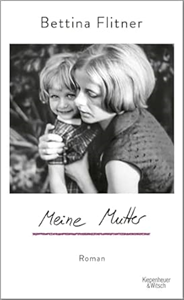
Als Bettina Flitner für eine Lesung aus ihrem Buch »Meine Schwester« nach Celle zurückkehrt – dorthin, wo vor 40 Jahren ihre Mutter beerdigt wurde –, springen sie mit unerwarteter Heftigkeit Fragen an, die sie lange von sich fern gehalten hatte: Fragen nach dem großen Unglück im Leben ihrer Mutter und nach einer Familienkatastrophe in einer fernen Zeit und in einem fernen Land. Und so begibt sich Bettina Flitner auf eine Reise voller Überraschungen und Entdeckungen in den Luftkurort Wölfelsgrund im ehemaligen Niederschlesien, dem heutigen Międzygórze, wo ihre Vorfahren bis zur dramatischen Flucht 1946 ein Sanatorium besessen und geleitet haben. Aus den Erlebnissen ihrer Reise ins heutige Polen, den Tagebüchern und Dokumenten ihrer Familienmitglieder und ihren eigenen Erinnerungen an das Leben ihrer Mutter erschafft Bettina Flitner nicht weniger als ein literarisches Meisterwerk, einen hochspannenden Familienroman, der zugleich eine nachgetragene Versöhnung mit der eigenen Mutter ist und die erlösende Kraft des Erinnerns und des genauen Erzählens demonstriert.
Trusted Partner

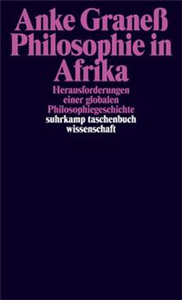
Wie können wir die Philosophie dekolonisieren? Einen wichtigen Beitrag zu diesem Projekt kann ihre Geschichtsschreibung leisten, und gerade der Blick auf Afrika bietet Ansätze für eine Transformation in globaler Perspektive. Die Auseinandersetzung mit dem Kontinent – vom alten Ägypten über Westafrika bis zur afrikanischen Diaspora – wirft nämlich grundlegende Fragen zum Umgang mit Denktraditionen oraler Gesellschaften sowie mit alternativen Quellen und philosophischen Praktiken auf. Ebenso stellen sich ethische Fragen nach der Rolle von Religion, Rassismus und Sklaverei in der Philosophie oder der Deutung und Aneignung von intellektuellem Erbe. Anhand der Philosophiegeschichte Afrikas entwirft Anke Graneß in ihrem großen Buch die Grundlinien einer neuen Philosophiegeschichtsschreibung.
Trusted Partner


Envy is a relationship drama. The other is the thorn in the flesh. The first murder in the Bible is when Cain killed Abel: out of envy. And today, influencers dazzle their followers with their enviable lives. Bettina Schulte's essay spans an arc from the gruelling agony of subjective envy to the question of its legitimate social role. And of course, it's also about jealousy as a form of envy ...
Trusted Partner

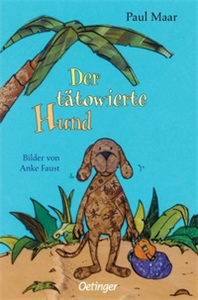
In "Der tätowierte Hund" erweckt Paul Maar mit seiner grenzenlosen Fantasie eine außergewöhnliche Freundschaft zwischen einem Löwen und einem einzigartigen Hund zum Leben. Der Hund, dessen Körper mit bunten Bildern bedeckt ist, trifft im Urwald auf den Löwen. Diese Bilder sind nicht nur Schmuck, sondern jede Tätowierung erzählt eine eigene Geschichte. Nach anfänglicher Skepsis und einem Tauschgeschäft – ein Leberwurstbrot gegen Geschichten – beginnt der Hund, seine Abenteuer zu erzählen. Was folgt, ist eine Reihe von wunderbaren und ulkigen Geschichten, die den Löwen und die Leser gleichermaßen in ihren Bann ziehen. Diese Geschichten führen zu einem bunten Reigen von Erzählungen, die die Grenzen der Realität überschreiten und in eine Welt voller Fantasie und Humor entführen. "Der tätowierte Hund" ist Paul Maars Debütwerk für Kinder und wurde für seine Kreativität und seinen Einfallsreichtum mit einer Nominierung für den Deutschen Jugendliteraturpreis 1969 geehrt. Die Neuausgabe dieses fantastischen Romans wurde von Anke Faust wunderschön und fantasievoll in Collagetechnik illustriert, was die magische Welt der Geschichten visuell zum Leben erweckt. Dieses Buch ist ein Fest für die Fantasie und zeigt, wie aus einfachen Bildern durch die Kraft der Erzählung lebendige und fesselnde Geschichten entstehen können. Es ist ein Zeugnis von Paul Maars Fähigkeit, junge Leser und Zuhörer auf eine Reise voller Überraschungen und Entdeckungen mitzunehmen. Paul Maars fantastischer Debüt-Roman für Kinder: Ein Meilenstein in der Kinderliteratur, der die Fantasie anregt. Ausgezeichnet mit dem Deutschen Jugendliteraturpreis 1969: Anerkannte Qualität und zeitloser Charme. Wunderschön und fantasievoll illustriert von Anke Faust: Die Illustrationen in Collagetechnik bereichern die Erzählung und machen das Buch zu einem visuellen Erlebnis. Einzigartige Geschichten, die die Fantasie beflügeln: Jede Tätowierung erzählt eine eigene, fesselnde Geschichte. Ideal für Vorleser und junge Leser: Perfekt geeignet für gemeinsame Leseabende und zur Förderung der Lesefreude bei jungen Leser*innen ab 8 Jahren.
Trusted Partner
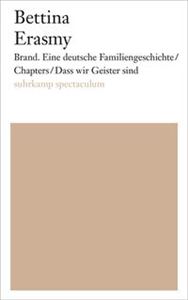
Fritz und Greta lernen einander in den 50er Jahren kennen und gründen eine Familie. Die Geschäfts-idee von Fritz, sein Geld in Immobilien zu investieren, wird sich als goldwert erweisen. Deutschland wird nach den Zerstörungen des Krieges schnell wiederaufgebaut und Fritz wirkt kräftig mit am Wirtschaftswunder. Die Kinder Michael und Paulina wachsen in scheinbar gesicherten Verhältnis-sen auf. Doch sie tragen mit, was die Eltern belastet: das Schweigen über traumatische Erfahrungen, die sie als Kriegskinder in Bombennächten oder auf der Flucht erlebt haben, die verdrängte Trauer um Verstorbene. Bettina Erasmy erzählt die komplexe Geschichte einer westdeutschen Familie über den Zeitraum eines halben Jahrhunderts hinweg. Wie Traumata und Gefühlskälte sich einschreiben in die DNA einer Familie, darüber schreibt die Dramatikerin in leichtfüßigen und auch komischen Dialogen. Mit liebevoller Distanz entwirft Erasmy Bühnenfiguren, die einem nahegehen, und schreckt nicht zurück vor drastischen Bildern, die deshalb so stark berühren, weil sie an kollektive Erfahrungen rühren. Dieser Band vereint neben Brand. Eine deutsche Familiengeschichte zwei weitere Stücke der Dramatikerin Bettina Erasmy: Chapters ist das Protokoll eines Ausstiegs, ein Roadmovie, in dem die Protagonistin eine scheinbar gesicherte Existenz eintauscht gegen ein Leben auf der Straße. Dass wir Geister sind erzählt wie Brand eine Familiengeschichte: Zwei Jahre nachdem Klaus am Tag sei-ner Verlobung mit Anna bei einem Autounfall stirbt, ist er wieder da, ausgerechnet am Tag der Verlobung von Anna und Malte. Die besondere Stärke von Erasmys Stücken liegt in der Schärfe und Genauigkeit einer glasklaren Sprache, in der Leichtigkeit und im Esprit der Dialoge, in der Erzählhaltung, in der Tragödien ohne Ironie und Komödie nicht zu denken sind.
Trusted Partner
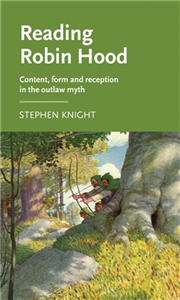
Reading Robin Hood explores and explains stories about the mythic outlaw, who from the middle ages to the present stands up for the values of natural law and true justice. This analysis of the whole sequence of the adventures of Robin Hood first explores the medieval tradition from early poems into the long-surviving sung ballads, and also two variant Robins: the Scottish version, here named Rabbie Hood, and gentrified Robin, the exiled Earl of Huntington, now partnered by Lady Marian. The nineteenth century re-imagined medieval Robin as modern - he loved nature, Marian, England, and the rights of the ordinary man - and in novels and especially films he has developed further, into an international figure of freedom, just as Marian's role has grown in a modern feminist context. The vigour of the Robin Hood myth still reproduces itself, constantly with new forms and new meanings. ;
Trusted Partner
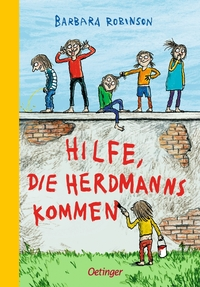
Der etwas andere Weihnachtsklassiker - lustig, unkonventionell und ganz schön frech Das kann ja heiter werden! Im ganzen Viertel ist man sich einig: Die Kinder der Familie Herdmann sind die schlimmsten Kinder aller Zeiten. Sie lügen, klauen, rauchen Zigarren (auch die Mädchen), bringen die Nachbarn zur Verzweiflung und können ein Klassenzimmer mit Hilfe ihrer halbwilden Katze in Rekordzeit vollkommen leer fegen. Zu allem Überfluss haben sie es auch noch geschafft, alle Hauptrollen im weihnachtlichen Krippenspiel zu bekommen. Womöglich steht damit die schlimmste Aufführung aller Zeiten bevor. Seit 50 Jahren geliebte Weihnachtstradition. Übersetzt von Erfolgsduo Paul und Nele Maar. Mit neuen, ebenso pfiffigen wie farbigen Illustrationen von Anke Kuhl, die ihre ganz eigene Geschichte im Detail erzählen. Begeistert Kinder ab 8 Jahren genauso wie Erwachsene.
Trusted Partner

Noah's Flood is one of the Bible's most popular stories, and flood myths survive in many cultures today. This book presents the first comprehensive examination of the incorporation of the Flood myth into the Anglo-Saxon imagination. Focusing on literary representations, it contributes to our understanding of how Christian Anglo-Saxons perceived their place in the cosmos. For them, history unfolded between the primeval Deluge and a future - perhaps imminent - flood of fire, which would destroy the world. This study reveals both an imaginative diversity and shared interpretations of the Flood myth. Anglo-Saxons saw the Flood as a climactic event in God's ongoing war with his more rebellious creatures, but they also perceived the mystery of redemption through baptism. Anlezark studies a range of texts against their historical background, and discusses shifting emphases in the way the Flood was interpreted for diverse audiences. The book concludes with a discussion of Beowulf, relating the epic poem's presentation of the Flood myth to that of other Anglo-Saxon texts.
Trusted Partner

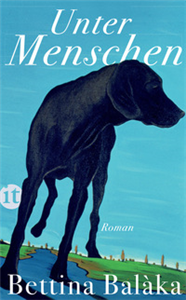
Berti heißt auch Fekete, Robert Pattinson, Ricky, Zorro und Bagheera. Er ist das Ergebnis der Liaison eines Jack-Russell-Terriers mit einem Straßenköter. Der übermütige Welpe ruiniert die Geschäfte eines ungarischen Hundehändlers, bricht einer Zwölfjährigen das Herz, weckt die Lebensgeister eines neurotischen Physikers und landet auf der Müllhalde eines Haustiermessies. Überall, wo er hinkommt, hinterlässt er seine Spuren in den Herzen und in den Leben seiner Menschen, die er als kleiner Schatten ihres Glücks und Unglücks begleitet. Bettina Balàka erzählt in ihrem Roman nicht nur die Geschichte eines Hundelebens: Unter Menschen ist zugleich ein Reigen zwischenmenschlicher Tragödien und Komödien – grandios komponiert, ironisch und unterhaltsam, voll überraschendem Witz und geistreicher Erkenntnis.
Trusted Partner

Reading Robin Hood explores and explains stories about the mythic outlaw, who from the Middle Ages to the present stands up for the values of natural law and true justice. This analysis of the whole sequence of Robin Hood adventures begins with the medieval tradition, from early poems into the long-surviving sung ballads, and goes on to look at two variant Robins: the Scottish version, here named Rabbie Hood, and gentrified Robin, the exiled Earl of Huntington, now partnered by Lady Marian. The nineteenth century re-imagined medieval Robin as modern, a lover of nature, Marian, England and the rights of the ordinary man. In novels and especially films he has developed into an international figure of freedom, while Marian's role has grown in a modern feminist context. Even to this day, the Robin Hood myth continues to reproduce itself, constantly discovering new forms and new meanings.
Trusted Partner
 Trusted Partner


Above all else, and despite all the enlightenment of the age, sex in the 21st century seems to be a problem. Abuse, MeToo, human trafficking, circumcision, role-playing, body cult... But if sex is a mere abyss for modern humans, then why not just let it be? We are the first generation that could actually do it without endangering the survival of the species. And voices are getting louder that once again call for abstinence in a supposedly over-sexualised society. Artificial insemination and artificially intelligent technology for the safe removal of instincts should finally pacify what humans cannot control: instinctive nature. Sex is not the epitome of our animal nature. Every attempt to control the animal in us, either by taming it or by freeing it from tamers in a sexual revolution, inevitably misses the point. Bettina Stangneth asks the quite simple question: what is sex? If every culture of prohibition has failed so far, clearer ideas are obviously needed. Even if we prefer to ignore it, attempts to establish a culture through desire instead of the cultivation of desire have been around for a long time. After all, if you don't want to learn to talk positively about sex, you can't talk meaningfully about coercion and violence.
Trusted Partner

»Natürlich kann man ohne Hund leben - es lohnt sich nur nicht.« Heinz Rühmann Dieser Kalender versammelt für jeden Tag des Jahres ausgewählte Zitate aus der Weltliteratur und präsentiert die schönsten Geschichten und Anekdoten um den besten Freund des Menschen. Von Lassie, Laika, Haichiko und anderen außergewöhnlichen Vierbeinern wird erzählt, von berühmten Hundeliebhabern und von Menschen, die mit Hunden auf besondere Weise verbunden waren. Zahlreiche Farbfotografien von Bettina Strauss illustrieren diesen Band. Ein ebenso praktischer wie unterhaltsamer Begleiter durchs ganze Jahr!
Trusted Partner
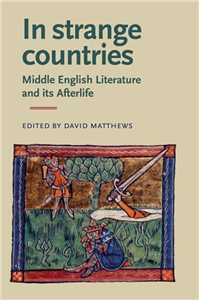
These essays by senior scholars in medieval studies celebrate the career of J.J. Anderson, editor, critic, and co-founder of the Manchester Medieval Literature and Culture series, who taught in medieval studies at the University of Manchester for forty years. The essays are rooted in medieval literature but frequently range beyond the confines of the Middle Ages. They reflect the breadth of Anderson's own scholarly interests, especially in drama and Arthurian literature. There is a particular focus on Sir Gawain and the Green Knight and Pearl, poems which preoccupied him throughout his scholarly life. There are also new reconsiderations of La?amon's Brut, Mirk's Festial, the Passion plays, and the manuscripts of the Pore Caitif. Moving beyond the traditional purview of medieval literature, several contributors trace the afterlives of medieval themes in later literature. These essays include a consideration of the twinned trajectories of the medieval heroes Robin Hood and King Arthur from medieval literature to modern television, a comparison of La?amon's Brut and Tennyson's Idylls of the King, and a recreation of the Bishop Blase procession which took place in industrial Bradford. Contributors are Rosamund Allen, Ralph Elliott, Alexandra Johnston, Stephen Knight, Peter Meredith, Susan Powell, Gillian Rudd, Alan Shelston, and Kalpen Trivedi. ;
Trusted Partner


