
De Vecchi/DVE - Confidential Concepts International Ltd.
We are from De Vecchi Ediciones / DVE, a publishing house with about 4000 titles in Spanish.
View Rights Portal
We are from De Vecchi Ediciones / DVE, a publishing house with about 4000 titles in Spanish.
View Rights Portal
Der Concadora Verlag steht für inspirierende Medien und Veranstaltungen zu den Themen Mindful Leadership, Organisationsbezogenes Transformationsmanagement, Kommunikation und Mediation für Führungskräfte, BeraterInnen und MediatorInnen. Ein Schwerpunkt unserer Veröffentlichungen sind Medien zum Konfliktmanagement und zur systemischen Mediation.
View Rights Portal
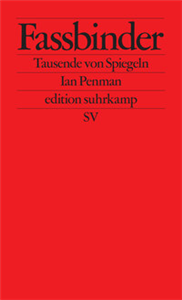
Schon als Rainer Werner Fassbinder 1982 starb, wollte Ian Penman dem exzessiv produktiven Macher von Filmen wie Angst essen Seele auf oder Die Ehe der Maria Braun ein Buch widmen. Vierzig Jahre später greift er den Plan wieder auf. Sein Pitch: »Diese Story hat alles! Sex, Drogen, Kunst, Großstadt, Moderne, Kino und Revolution. In ihm sind Viele. Er wurde sein eigenes Hollywood.« Das Ergebnis: ein Wirbelsturm biografischer Fragmente und Aperçus, ein Kaleidoskop der »Fassbundesrepublik« mit ihrer unterdrückten Vergangenheit, ihrer Paranoia, ihren radikalen künstlerischen Experimenten. Kiefer, Syberberg, Tangerine Dream. Für Ian Penman hat RWF den Status, den Baudelaire für Walter Benjamin hatte: Protagonist und Medium einer Spätphase – einer Epoche, die bereits die nächste träumt.
 Trusted Partner
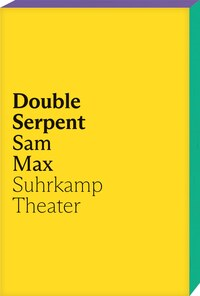
Sam Max schreibt ein albtraumhaftes Theaterstück, bei dem ein scheinbar harmloses Spiel zur Metapher eines Menschenlebens wird. Max seziert präzise eine Paar- und Vater-Sohn-Beziehung und stellt die Frage nach dem gesellschaftlichen Umgang mit Körpern von Gay Men und ihren Wunden in den Mittelpunkt – und thematisiert so den Zusammenhang von Macht, Erbe und Gewalt. Bei Connor scheint es gut zu laufen: Er führt eine Beziehung mit dem erfolgreichen Filmproduzenten Felix und hat gerade den ersten Job als Innenarchitekt an Land gezogen. Doch dann holen ihn die Schatten der Vergangenheit ein. Ausgelöst durch einen medialen Shitstorm, in dem sich Felix wiederfindet, wird Connor in die Erinnerungen seiner Kindheit zurückgeworfen. Er ist bei Fake Dad aufgewachsen, muss mit ihm regelmäßig zum Safe House fahren. Dort spielt Connor im Keller mit seinem unsichtbaren Freund Double Serpent . Ein Computerspiel, bei dem zwei Schlangen in einer Box gefangen sind und möglichst viel fressen müssen, um immer länger zu werden – nur berühren dürfen sie sich nicht. Sonst: Game Over. Eines Tages entdeckt Connor, was Fake Dad währenddessen so treibt, und findet sich in einem ominösen Zwischenraum wieder, in dem Realitäts- und Erinnerungsebenen verschwimmen und plötzlich Felix‘ Körper aufgeschnitten auf einem OP-Tisch liegt …
Trusted Partner

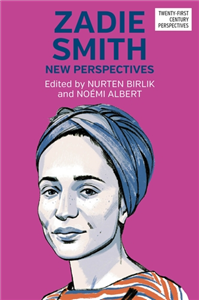
Zadie Smith's fiction reimagines subjectivity, relationality, and the conditions of contemporary life. This book offers a timely reassessment of her work, addressing identity, urban experience, and the category of the human. Moving beyond postcolonial and multiculturalist readings, it brings psychoanalytic, historical, symptomatic, and cultural materialist perspectives to bear across her novels, stories, essays, and plays. The collection explores how Smith's characters, shaped by diverse backgrounds and settings, challenge fixed ideas of Britishness and personhood. It argues that her writing opens up a new ontological space-defined by fluid identities, shifting subjectivities, and evolving forms of relationality. By reconsidering both the human and the spatial in Smith's work, the book makes a valuable contribution to contemporary literary criticism and to current thinking on narrative, identity, and urban life.
Trusted Partner
Trusted Partner
Trusted Partner
Trusted Partner

The modern ideology of race, so important in twentieth-century Europe, incorporates both a theory of human societies and a theory of human bodies. Ian Campbell's new study examines how the elite in early modern Ireland spoke about human societies and human bodies, and demonstrates that this elite discourse was grounded in a commitment to the languages and sciences of Renaissance Humanism. Emphasising the education of all of early modern Ireland's antagonistic ethnic groups in common European university and grammar school traditions, Campbell explains both the workings of the learned English critique of Irish society, and the no less learned Irish response. Then he turns to Irish debates on nobility, medicine and theology in order to illuminate the problem of human heredity. He concludes by demonstrating how the Enlightenment swept away these humanist theories of body and society, prior to the development of modern racial ideology in the late eighteenth century. ;
Trusted Partner

In his previous book City Gorged with Dreams (2002), Ian Walker challenged established ideas about Surrealist photography by emphasising the key role played by documentary photographs in Parisian Surrealism. Now Walker turns his attention to the arrival of Surrealism in England in 1936. Examining for the first time the surprising relationship between Surrealism and English documentary photography and film, the book shows that some of the most interesting work of the period was made in the ambiguous spaces between them. One of the key themes in this book is the relationship between the 'homely' and the 'exotic', in the innovative mix of poetry and ethnography in Mass-Observation for example, or the shadowed England constructed in the work of Bill Brandt. Based on extensive archival research, interviews and visits to sites where the photographs were made, this book is rich in detailed analysis yet written in an accessible and often witty style. ;
Trusted Partner
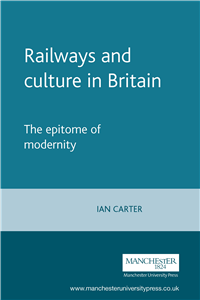
The nineteenth-century's steam railway epitomised modernity's relentlessly onrushing advance. In Railways and culture in Britain Ian Carter delves into the cultural impact of train technology, and how this was represented in British society. Why, for example, did Britain possess no great railway novel? The book's first half tests that assertion by comparing fiction and images by some canonical British figures (Turner, Dickens, Arnold Bennett) with selected French and Russian competitors: Tolstoy, Zola, Monet, Manet. The second half proposes that if high cultural work on the British steam railway is thin, then this does not mean that all British culture ignored this revolutionary artefact. Detailed discussions of comic fiction, crime fiction and cartoons reveal a popular fascination with railways tumbling from vast (and hitherto unexplored) stores of critically overlooked genres. A final chapter contemplates cultural correlations of the steam railway's eclipse. If this was the epitome of modernity, then does the triumph of diesel and electric trains, of cars and planes, signal a decisive shift to postmodernity? ;
Trusted Partner
Trusted Partner
Trusted Partner
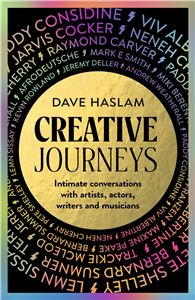
Dave Haslam presents conversations with creative trailblazers. Over forty years, DJ, writer and broadcaster Dave Haslam has interviewed some of the most fascinating figures in music, literature, film and art. Creative journeys gathers revelatory conversations with creative characters including Neneh Cherry, Maxine Peake, Lemn Sissay, Andrew Weatherall, Raymond Carver and Jeremy Deller. From politics and performance to art, fame and addiction, Haslam's interviewees speak with honesty about their creative journeys. Viv Albertine discusses 'Typical Girls' and Paddy Considine recalls Dead Man's Shoes. Jarvis Cocker goes deep into 'This is Hardcore'. Terry Hall and Miki Berenyi speak about childhood trauma. Bernard Sumner recalls the loss of Ian Curtis. Jonathan Franzen talks about torturing his characters. There's darkness but much humour too. The interviews provide fascinating stories of unorthodox, creative artists navigating negativity and personal setbacks to become celebrated cultural icons.
Trusted Partner
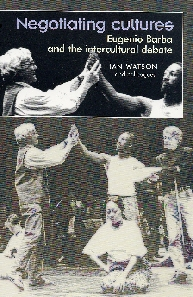
Eugenio Barba is one of the world's leading theatre artists and theorists working across cultures. Examines three major strands of Barba's work; his research at the International School of Theatre Anthropology, his use of performance as a means of exchange, and his ongoing relationship with Latin America. The artists who write and are interviewed in the book provide an invaluable insight into Barba's work methods, his relationship with performers from different cultures, and the ramifications of his research in a variety of performance forms. Concludes with a dialogue between Barba and Ian Watson. ;
Trusted Partner
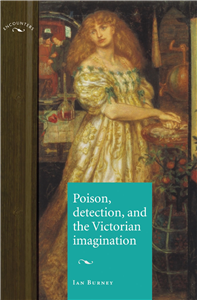
This fascinating book looks at the phenomenon of murder and poisoning in the nineteenth century. Focusing on the case of William Palmer, a medical doctor who in 1856 was convicted of murder by poisoning, it examines how his case baffled toxicologists, doctors, detectives and judges. The investigation commences with an overview of the practice of toxicology in the Victorian era, and goes on to explore the demands imposed by legal testimony on scientific work to convict criminals. In addressing Palmer's trial, Burney focuses on the testimony of Alfred Swaine Taylor, a leading expert on poisons, and integrates the medical, legal and literary evidence to make sense of the trial itself and the sinister place of poison in wider Victorian society. Ian Burney has produced an exemplary work of cultural history, mixing a keen understanding of the contemporary social and cultural landscape with the scientific and medical history of the period. ;
Trusted Partner
Each chapter in this important critical reader tackles the theory and practice of modern performance work, and enables students and teachers to see what is at stake in analysing dance, drama, music and videos using contemporary critical theories. Including Elizabeth Wright on psychoanalysis, Baz Kershaw on the politics of performance, Jatinder Verma on multiculturalism, E. Ann Kaplan on MTV and video, Lizabeth Goodman on feminism and AIDS, Stephen Connor on postmodernism and many others. ;
Trusted Partner


Ein Wunder, das alles verändert … Ich kannte das Gefühl, eine Streunerin zu sein, mich nirgends willkommen zu fühlen. Und dieser Hund? Er war ein Kämpfer. Genau wie ich. Wir gehörten zusammen. In diesem Moment schwor ich mir eines: Ich würde ihn nicht im Stich lassen. Dieser Hund sollte mein Hund werden. Manchmal brauchen Wünsche nur Mut – und ein Herz, das an sie glaubt. Ein Herzenswunsch , eine unerwartete Begegnung und die bedingungslose Liebe zu einem Hund . Mein größter Wunsch ist eine zeitlose Geschichte , die großen und kleinen Träumern ab 9 Jahren die Kraft verleiht, unserer zerrütteten Welt Hoffnung zu schenken. Einfühlsam und tiefgründig : Eine Geschichte rund um Freundschaft und Familie. Mit viel Herz und Gefühl beschreibt New York Times -Bestsellerautorin Barbara O’Connor die tiefe Freundschaft zwischen einem Mädchen und einem Hund und die Bedeutung von Familie. Wichtige Botschaft : Wünsche können durchaus wahr werden – man muss nur an sie glauben. All-Age-Charakter : Die Themen Familie, Freundschaft, Haustier und Wünsche verbinden Generationen und schaffen ein Leseerlebnis für die ganze Familie. #1 New York Times- Bestseller : Die Geschichte erobert die Herzen von Tierliebhaber*innen auf der ganzen Welt.
Trusted Partner
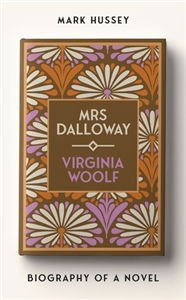
A compelling biography of one of the most celebrated novels in the English language. The fourth and best-known of Virginia Woolf's novels, Mrs Dalloway is a modernist masterpiece that has remained popular since its publication in 1925. Its dual narratives follow a day in the life of wealthy housewife Clarissa Dalloway and shell-shocked war veteran Septimus Warren Smith, capturing their inner worlds with a vividness that has rarely been equalled. Mrs Dalloway: Biography of a novel offers new readers a lively introduction to this enduring classic, while providing Woolf lovers with a wealth of information about the novel's writing, publication and reception. It follows Woolf's process from the first stirrings in her diary through her struggles to create what was quickly recognised as a major advance in prose fiction. It then traces the novel's remarkable legacy to the present day. Woolf wrote in her diary that she wanted her novel 'to give life & death, sanity & insanity. to criticise the social system, & to show it at work, at its most intense.' Mrs Dalloway: Biography of a novel reveals how she achieved this ambition, creating a book that will be read by generations to come.
Trusted Partner
Trusted Partner



