
Your Search Results


-
Promoted Content
-
Promoted Content

 1992
1992Palavare Italiano?
Typisch deutsches Italienisch und wie man es verbessert. (rororo sprachen)
by Parisi, Mario; Pepi, Liborio
-
 Trusted Partner
 1993
1993Italiano Due
Italienisch reden und verstehen. Ein Aufbaukurs
by Eckes, Jutta J; Concialdi, Daniela
-
Trusted Partner
1992
Italiano Uno
Italienisch reden und verstehen. Ein Grundkurs. (rororo sprachen)
by Eckes, Jutta J; Belgiorno, Franco A
-
Trusted Partner
-
Trusted Partner
 September 1992
mal laut und falsch singen
Eine Bildgeschichte
by Erica Pedretti
Erica Pedretti wurde 1930 im nordmährischen Šternberk (im heutigen Tschechien) geboren und erlebte dort die Kriegsjahre. Im Dezember 1945 kam sie mit einem Rotkreuztransport zu Verwandten in die Schweiz (ihre Großmutter war Schweizerin) und besuchte in Zürich die Kunstgewerbeschule. 1950 musste sie, da sie keine Aufenthaltsgenehmigung für die Schweiz erhielt, das Land verlassen. Erica Pedretti emigrierte in die USA und verbrachte zwei Jahre in New York. 1952 kehrte sie jedoch in die Schweiz zurück und heiratete den Künstler Gian Pedretti aus der Engadiner Künstlerfamilie Pedretti. Seit den 70er Jahren arbeitet sie erfolgreich als bildende Künstlerin. Auslandsaufenthalte führten sie 1971 nach London und 1988 als Gast an das Istituto Svizzero in Rom. 1989 war sie Writer in Residence an der Washington University in St. Louis. 1994 hatte sie den Swiss Chair an der City University of New York inne. Seit 1988 war sie korrespondierendes Mitglied in der Deutschen Akademie für Sprache und Dichtung in Darmstadt. Erica Pedretti lebte mit ihrem Mann in La Neuveville am Bieler See. Sie zählt zu den herausragenden Persönlichkeiten der zeitgenössischen Schweizer Literatur. Am 14. Juli 2022 verstarb sie im Alter von 92 Jahren.
-
Trusted Partner
 January 1985
Harmloses, bitte
by Erica Pedretti
Erica Pedretti wurde 1930 im nordmährischen Šternberk (im heutigen Tschechien) geboren und erlebte dort die Kriegsjahre. Im Dezember 1945 kam sie mit einem Rotkreuztransport zu Verwandten in die Schweiz (ihre Großmutter war Schweizerin) und besuchte in Zürich die Kunstgewerbeschule. 1950 musste sie, da sie keine Aufenthaltsgenehmigung für die Schweiz erhielt, das Land verlassen. Erica Pedretti emigrierte in die USA und verbrachte zwei Jahre in New York. 1952 kehrte sie jedoch in die Schweiz zurück und heiratete den Künstler Gian Pedretti aus der Engadiner Künstlerfamilie Pedretti. Seit den 70er Jahren arbeitet sie erfolgreich als bildende Künstlerin. Auslandsaufenthalte führten sie 1971 nach London und 1988 als Gast an das Istituto Svizzero in Rom. 1989 war sie Writer in Residence an der Washington University in St. Louis. 1994 hatte sie den Swiss Chair an der City University of New York inne. Seit 1988 war sie korrespondierendes Mitglied in der Deutschen Akademie für Sprache und Dichtung in Darmstadt. Erica Pedretti lebte mit ihrem Mann in La Neuveville am Bieler See. Sie zählt zu den herausragenden Persönlichkeiten der zeitgenössischen Schweizer Literatur. Am 14. Juli 2022 verstarb sie im Alter von 92 Jahren.
-
Trusted Partner
 August 1998
Kuckuckskind oder Was ich ihr unbedingt noch sagen wollte
Roman
by Erica Pedretti
Erica Pedretti wurde 1930 im nordmährischen Šternberk (im heutigen Tschechien) geboren und erlebte dort die Kriegsjahre. Im Dezember 1945 kam sie mit einem Rotkreuztransport zu Verwandten in die Schweiz (ihre Großmutter war Schweizerin) und besuchte in Zürich die Kunstgewerbeschule. 1950 musste sie, da sie keine Aufenthaltsgenehmigung für die Schweiz erhielt, das Land verlassen. Erica Pedretti emigrierte in die USA und verbrachte zwei Jahre in New York. 1952 kehrte sie jedoch in die Schweiz zurück und heiratete den Künstler Gian Pedretti aus der Engadiner Künstlerfamilie Pedretti. Seit den 70er Jahren arbeitet sie erfolgreich als bildende Künstlerin. Auslandsaufenthalte führten sie 1971 nach London und 1988 als Gast an das Istituto Svizzero in Rom. 1989 war sie Writer in Residence an der Washington University in St. Louis. 1994 hatte sie den Swiss Chair an der City University of New York inne. Seit 1988 war sie korrespondierendes Mitglied in der Deutschen Akademie für Sprache und Dichtung in Darmstadt. Erica Pedretti lebte mit ihrem Mann in La Neuveville am Bieler See. Sie zählt zu den herausragenden Persönlichkeiten der zeitgenössischen Schweizer Literatur. Am 14. Juli 2022 verstarb sie im Alter von 92 Jahren.
-
Trusted Partner
October 1977
Veränderung
by Erica Pedretti
Erica Pedretti wurde 1930 im nordmährischen Šternberk (im heutigen Tschechien) geboren und erlebte dort die Kriegsjahre. Im Dezember 1945 kam sie mit einem Rotkreuztransport zu Verwandten in die Schweiz (ihre Großmutter war Schweizerin) und besuchte in Zürich die Kunstgewerbeschule. 1950 musste sie, da sie keine Aufenthaltsgenehmigung für die Schweiz erhielt, das Land verlassen. Erica Pedretti emigrierte in die USA und verbrachte zwei Jahre in New York. 1952 kehrte sie jedoch in die Schweiz zurück und heiratete den Künstler Gian Pedretti aus der Engadiner Künstlerfamilie Pedretti. Seit den 70er Jahren arbeitet sie erfolgreich als bildende Künstlerin. Auslandsaufenthalte führten sie 1971 nach London und 1988 als Gast an das Istituto Svizzero in Rom. 1989 war sie Writer in Residence an der Washington University in St. Louis. 1994 hatte sie den Swiss Chair an der City University of New York inne. Seit 1988 war sie korrespondierendes Mitglied in der Deutschen Akademie für Sprache und Dichtung in Darmstadt. Erica Pedretti lebte mit ihrem Mann in La Neuveville am Bieler See. Sie zählt zu den herausragenden Persönlichkeiten der zeitgenössischen Schweizer Literatur. Am 14. Juli 2022 verstarb sie im Alter von 92 Jahren.
-
Trusted Partner

 Humanities & Social SciencesNovember 2025
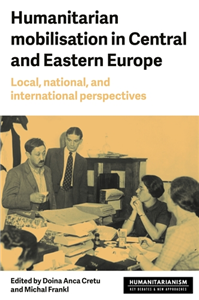
Humanitarian mobilisation in Central and Eastern Europe
Local, national, and international perspectives
by Doina Anca Cretu, Michal Frankl
By focusing on aid Central and Eastern Europe, the volume adds to the existent scholarly explorations of modern humanitarianism, its actors and practices. In the twentieth century, aid workers assisted victims of war and earthquakes, delivered food, supported health care, provided childcare, or sheltered refugees. The contributors not only reconstruct these diverse histories and their protagonists, but also bring international, national, and local actors together: from grassroots activists to private associations to state-driven "socialist humanitarians" to large Western aid organizations. In doing so, they challenge the often unidirectional, from West-to-East, and asymmetrical perspective on donor-recipient relationships in humanitarian processes.
-
Trusted Partner
 Literature & Literary StudiesOctober 2025
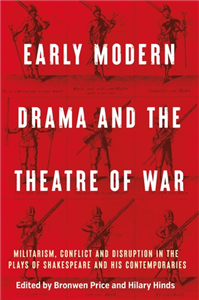
Early modern drama and the theatre of war
Militarism, conflict and disruption in the plays of Shakespeare and his contemporaries
by Bronwen Price, Hilary Hinds
This volume explores the disruptive effects of militarism, war and social unrest in early modern drama. Engaging with Simon Barker's seminal work on dramatic representations of war and militarism, contributors highlight what often lies hidden beneath the surface of martial narratives, treating them as formative interventions in contemporary discourses, whether in justifying war, excluding dissident voices or shaping cultural identities. Discussions include new examinations of militarism, the figure of the soldier and early modern theories of war in Shakespearean tragedy, history and comedy, alongside antimasque and dramatic satire by lesser-known playwrights. The essays investigate how ideas of war underpin emerging concepts of gender, leadership, marriage and the family, as well as the continuing mobilisation of Shakespearean drama in the context of modern armed conflict. Together, they offer rich new contributions to the current lively critical debates on this topic.
-
Trusted Partner
 Humanities & Social SciencesMay 2026
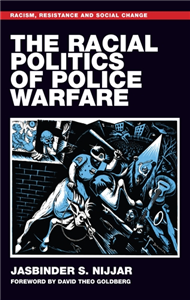
The racial politics of police warfare
by Jasbinder S. Nijjar
Amid renewed anti-racist resistance to violent policing, The racial politics of police warfare unpacks the racisms that rationalise militarised policing in contemporary Britain. Jasbinder S. Nijjar shatters prevailing myths about British police as an impartial public service, by revealing it as an institution where racism and war reinforce one another. In examining flagship anti-gang and counter-terrorism policies and practices, the book offers a unique analysis of the relationship between anti-black and anti-Muslim racisms, to demonstrate how racialised populations are institutionalised as common enemies of modernity. Combining perspectives from sociology, history, criminology and social policy, Nijjar illustrates how British policing defends law and order and national security from the perceived threat of race through hyper-intrusive, pre-emptive and deathly measures. Accordingly, he gives a fresh take on resisting racial police warfare, calling for strategies that are at once political, collective, anti-militaristic and abolitionist.
-
Trusted Partner
 Humanities & Social SciencesApril 2020
Anarchism, 1914–18
Internationalism, anti-militarism and war
by Ruth Kinna, Matthew S. Adams
Anarchism 1914-18 is the first systematic analysis of anarchist responses to the First World War. It examines the interventionist debate between Peter Kropotkin and Errico Malatesta which split the anarchist movement in 1914 and provides a historical and conceptual analysis of debates conducted in European and American movements about class, nationalism, internationalism, militarism, pacifism and cultural resistance. Contributions discuss the justness of war, non-violence and pacifism, anti-colonialism, pro-feminist perspectives on war and the potency of myths about the war and revolution for the reframing of radical politics in the 1920s and beyond. Divisions about the war and the experience of being caught on the wrong side of the Bolshevik Revolution encouraged anarchists to reaffirm their deeply-held rejection of vanguard socialism and develop new strategies that drew on a plethora of anti-war activities.
-
Trusted Partner
 Humanities & Social SciencesMarch 2021
Early medieval militarisation
by Ellora Bennett, Guido M. Berndt, Stefan Esders, Laury Sarti
-
Trusted Partner
 Humanities & Social SciencesOctober 2017
Masculinities, militarisation and the End Conscription campaign
by Daniel Conway
-
Trusted Partner
-
Trusted Partner
 20th century history: c 1900 to c 2000October 2013
Northern Ireland in the Second World War
Politics, economic mobilisation and society, 1939–45
by Philip Ollerenshaw
This original and distinctive book surveys the political, economic and social history of Northern Ireland in the Second World War. Since its creation in 1920, Northern Ireland has been a deeply divided society and the book explores these divisions before and during the war. It examines rearmament, the relatively slow wartime mobilisation, the 1941 Blitz, labour and industrial relations, politics and social policy. Northern Ireland was the only part of the UK with a devolved government and no military conscription during the war. The absence of military conscription made the process of mobilisation, and the experience of men and women, very different from that in Britain. The book's conclusion considers how the government faced the domestic and international challenges of the postwar world. This study draws on a wide range of primary sources and will appeal to those interested in modern Irish and British history and in the Second World War.
-
Trusted Partner

 March 2016
Wie man Italiener wird in 30 Lektionen / Come diventare italiano in 30 lezioni
Von Amore bis Zabaione / Dall'Amore allo Zabaione
by Ebert, Markus
-
Trusted Partner
 Humanities & Social SciencesApril 2022
Insolent proceedings
by Peter Lake, Jason Peacey, Alastair Bellany, Alexandra Gajda
-
Trusted Partner



