
Bella & Harry, LLC
A newcomer to the children’s publishing industry, Bella & Harry publish books in an informative, interactive and exciting way to introduce children to travel, different countries, customs, history and landmarks.
View Rights Portal
A newcomer to the children’s publishing industry, Bella & Harry publish books in an informative, interactive and exciting way to introduce children to travel, different countries, customs, history and landmarks.
View Rights Portal
An Independent US publisher cooperating with publishers all over the world to bring books of multicultural, environmental, and social value to light in new markets.
View Rights Portal
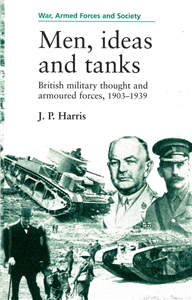
Men, ideas and tanks reviews the development of British military ideas on armoured forces from 1903 to 1939. Great Britain was the nation which first developed the tank, first used it in action and first gained dramatic results by employment. The British continued to be world leaders in the field of mechanised warfare until the early 1930s. J. P. Harris offers strikingly new interpretations of the early history of British armoured forces and explains why Great Britain had lost the lead by the outbreak of the Second World War. Available in paperback once more, this work will be of interest to all those concerned with British military history in the first half of the twentieth century, with the history of mechanised warfare and with the history of military thought. ;
 Trusted Partner
Trusted Partner
Trusted Partner
Trusted Partner
Trusted Partner
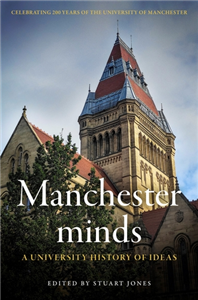
A bicentennial celebration of brilliant thinkers from The University of Manchester's history. The year 2024 marks two centuries since the establishment of The University of Manchester in its earliest form. The first of England's civic universities, Manchester has been home and host to a huge number of influential thinkers and generated world-changing ideas. This book presents a rich account of the remarkable contribution that people associated with The University of Manchester have made to human knowledge. A who's who of Manchester greats, it presents fascinating snapshots of pioneering artists, scholars and scientists, from the poet and activist Eva Gore-Booth to the economist Arthur Lewis, the computer scientist Alan Turing and the physicist Brian Cox.
Trusted Partner

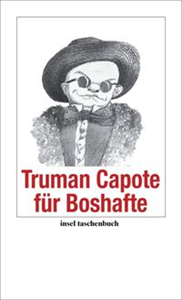
"Die junge Generation hat auch heute Respekt vor dem Alter, allerdings nur noch beim Wein, beim Whisky und bei den Möbeln." Norman Mailer bezeichnete Truman Capote als „vollkommensten Schriftsteller meiner Generation“: „Bissig wie meine Großtante schreibt er die besten Sätze, Wort für Wort, Takt für Takt.“ Und Tennessee Williams ergänzt: "Er ist eine entzückend lasterhafte alte Dame." Die besten Aussprüche und Boshaftigkeiten aus Truman Capotes Werk sind in diesem Band versammelt.
Trusted Partner
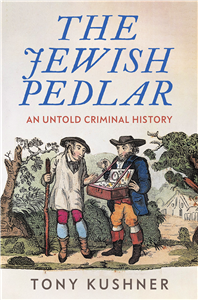
An imaginative investigation into a historical crime that sheds new light on Jewish history. In 1734 a pedlar turned smuggler named Jacob Harris slit the throats of three people in a pub in Sussex. This triple-murder, for which he was hanged and gibbeted, remains the most violent crime ever committed by a British Jew. Yet today it is all but forgotten. In The Jewish pedlar, Tony Kushner goes in search of the enigmatic Harris. Digging into a remarkable range of sources, from law records and newspaper reports to ballads and folktales, he follows the traces of Harris's legend across three hundred years of British history. In doing so, he reconstructs the world of Jewish pedlars and criminals across many continents. The lives these figures eked out at the margins of society paint a picture of persistent antisemitism - but also of remarkable integration. Intellectually bold and deeply humane, The Jewish pedlar takes a new, grassroots approach to the history of Jews in the modern world, shedding light on everyday lives from the Enlightenment to the Holocaust and beyond.
Trusted Partner
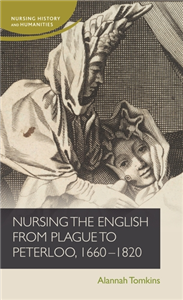
This book studies the negative stereotypes around the women who worked as sick nurses in this period and contrasts them with the lived experience of both domestic and institutional nursing staff. Furthermore, it integrates nursing by men into the broader history of care as a constant if little-recognised presence. It finds that women and men undertook caring work to the best of their ability, and often performed well, despite multiple threats to nurse reputations on the grounds of gender norms and social status. Chapters consider nursing in the home, in general hospitals, in specialist institutions like the Royal Chelsea Hospital and asylums, plus during wartime, illuminated by multiple accounts of individual nurses. In these settings, it employs the sociological concept of 'dirty work' to contextualise the challenges to nurses and nursing identities.
Trusted Partner

The most complete study of Blier's work to date, Harris traces the director's career from the early 1960s until the present. Outlines the forms, themes and style which dominate in Blier's work, and challenges the many labels that have been used to describe both the corpus of films and the man himself. Provides an original and controversial discussion of Blier's alleged 'misogyny', and invites the reader to understand the scatological and corporeal aspects of Blier's filmmaking in terms of long-established traditions of popular dramatic culture. Brings to light the comic mechanisms underpinning Blier's films and identifies strategies which navigate through one of the most entertaining and disconcerting bodies of work of recent years. The first book on Blier published in English.
Trusted Partner


»Jakobsweg – Zielstrebigkeit – 10. Juni«. Was soll das? Er kann sich beim besten Willen nicht mehr erinnern, warum er das in sein Notizbuch geschrieben hat. Gideon ruft seinen Freund Tom an, und der weiß es. Sie sind zum gemeinsamen Pilgern verabredet. Am 10. Juni geht es los. Der Weg ist das Ziel, alles andere ist egal. Hauptsache, die Richtung stimmt, irgendwie. Santiago di Compostela ist weit entfernt, aber Berlin mit seinen Galerieeröffnungen, Bars und Clubs glücklicherweise auch. Pilgernd will er sich von den Zwängen der grenzenlosen Freiheit befreien. Und der ersten großen Krise seines Lebens entkommen, in die er geriet, als der Vater, ein schwuler Rabbi aus New Jersey, die Familie verließ, um mit seinem Freund zusammenzuziehen. Pilgernd kommt er dem eigenen Glück und dem Mysterium seiner Familie, Vaters verborgenem Leben, auf die Spur. Zum Schluss hat sich etwas verändert. Er hat sich verändert. Er hat das Rätsel seines Lebens gelöst. »Im Verlauf eines Jahres, im Verlauf dieses schönen, lebensklugen, drogen-, freundschaft- und sexverherrlichenden Buches wird Gideon Lewis-Kraus geradezu in eine Pilgerschaftsabhängigkeit geraten und von Ort zu Ort ziehen, fort aus der Welt der unendlichen Freiheiten oder der unendlichen Abhängigkeiten, hinüber in die Wanderwelt der Notwendigkeit.« Volker Weidermann, FAS
Trusted Partner
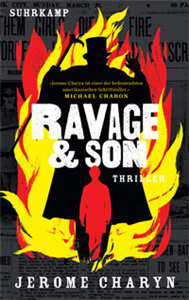
Das literarische Gegenstück zu Martin Scorceses Gangs of New York Manhattan, NYC, 1883-1919. Nachdem das Waisenkind Ben Ravage aus einer Hölle von Waisenhaus gerettet wurde und in Harvard Jura studierte, wird er Detektiv bei der Kehillah, einer Privatpolizei reicher jüdischer Geschäftsleute, die deren Interessen an der Lower East Side durchsetzen soll. Vor allem soll er einen halbverrückten Bösewicht, der die Prostituierten in der Allen Street angreift, aus dem Verkehr ziehen. Dabei entdeckt er, dass sein Schicksal unwiderruflich mit dem dieses gewalttätigen, finsteren Mannes verbunden ist.
Trusted Partner

The most complete study of Blier's work to date, Harris traces the director's career from the early 1960s until the present. Outlines the forms, themes and style which dominate in Blier's work, and challenges the many labels that have been used to describe both the corpus of films and the man himself. Provides an original and controversial discussion of Blier's alleged 'misogyny', and invites the reader to understand the scatological and corporeal aspects of Blier's filmmaking in terms of long-established traditions of popular dramatic culture. Brings to light the comic mechanisms underpinning Blier's films and identifies strategies which navigate through one of the most entertaining and disconcerting bodies of work of recent years. The first book on Blier published in English. ;
Trusted Partner
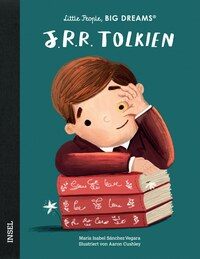
Schon in der Schule hatte er ein Faible für alte Sprachen. Er lernte nicht nur Latein und Griechisch, sondern auch Alt- und Mittelenglisch. Und er malte Karten, auf denen er die Welt des Mittelalters wieder zum Leben erweckte. Später erfand der Professor für Sprachwissenschaft für seine Kinder fantastische Geschichten. Und so entstand die Welt der Hobbits, Elben, Zwerge und Zauberer - und die Saga vom »Herrn der Ringe«. Das Buch und seine Verfilmungen schlagen bis heute ein Millionenpublikum in Bann. Little People, Big Dreams erzählt von den beeindruckenden Lebensgeschichten großer Menschen: Jede dieser Persönlichkeiten, ob Philosophin, Forscherin oder Sportler, hat Unvorstellbares erreicht. Dabei begann alles, als sie noch klein waren: mit großen Träumen.
Trusted Partner


Komm mit in die Welt der schnellen Champions! Sieben Weltmeistertitel und über 100 Grand Prix‘ Siege – kein anderer Fahrer hat so viele Rekorde gebrochen wie er: Lewis Hamilton! Schon als Junge wollte er ganz nach vorn und mit Talent, Mut und harter Arbeit hat er es bis an die Spitze der Formel 1 geschafft.In dieser Reihe tauchen Kinder ab 8 Jahren in die aufregende Welt des Motorsports ein. Jeder Band erzählt den Werdegang einer berühmten Rennsportlegende – von den ersten Schritten im Kart bis zum großen Durchbruch in der Formel 1. Fundiert erzählt von Rennsportexperte Maurice Hamilton und damit ein Muss für alle kleinen Fans des Motorsports! Lewis Hamilton hautnah: Mehr als Rekorde und Siege – das Buch erzählt von den Träumen, Herausforderungen und der persönlichen Geschichte des Formel-1-Stars. Spannende Rennsport-Fakten: Zusätzlich wird spannendes Wissen über den Rennsport vermittelt: Technik, Boxenstopps, berühmte Strecken, die Arbeit der Teams und vieles mehr – ein perfekter Einstieg in die faszinierende Welt der Formel 1. Aktueller Trend: Formel 1 erlebt weltweit einen großen Boom – und Racing Legends richtet sich direkt an die jüngsten Motorsport-Fans. Coole Illustrationen: Die Geschichte wird durch viele Schwarz-Weiß-Illustrationen im Comic-Stil aufgelockert. Perfekt für Leseanfänger*innen: Kurze Kapitel, einfache Sätze und viele Illustrationen – ideal für den Lesestart! Experten-Wissen: Der Formel 1-Experte und Journalist Maurice Hamilton hat in seiner Karriere über 500 Grand-Prix-Rennen besucht – und gibt sein Wissen in Racing Legends weiter. Leseförderung mit Antolin: Der Titel ist bei Antolin gelistet und fördert spielerisch die Lesekompetenz.
Trusted Partner

Kamalas Mutter kam aus Indien, der Vater aus Jamaika. Schon als Kind begleitete sie ihre Eltern zu Demonstrationen der Bürgerrechtsbewegung. Das hat sie geprägt. Neben Politik und Wirtschaft studierte sie noch Jura. Sie wollte Anwältin werden, um sich beruflich für eine gerechtere Welt einzusetzen. Das tat sie auch als Politikerin – im amerikanischen Senat und jetzt als Vizepräsidentin neben Joe Biden. Sie ist die erste Frau in diesem zweitwichtigsten Amt in den USA. Und sie wird nicht die letzte sein. Little People, Big Dreams erzählt von den beeindruckenden Lebensgeschichten großer Menschen: Jede dieser Persönlichkeiten, ob Künstlerin, Pilotin oder Wissenschaftler, hat Unvorstellbares erreicht. Dabei begann alles, als sie noch klein waren: mit großen Träumen.
Trusted Partner
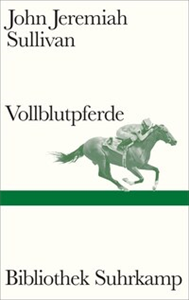
Gegen Ende seines Lebens wird der altgediente Sportreporter Mike Sullivan von seinem Sohn gefragt, was ihm aus drei Jahrzehnten auf nordamerikanischen Pressetribünen am deutlichsten in Erinnerung geblieben sei. Die Antwort überrascht: »Ich habe 73 Secretariat beim Derby rennen sehen. Das war reine … Schönheit, verstehst du?«John Jeremiah Sullivan versteht gar nichts. Also verbringt er die nächsten zwei Jahre damit, der väterlichen Begeisterung nachzugehen – für Secretariat, dieses mythische, geniale Rennpferd, und für Pferde überhaupt. Er reist kreuz und quer durchs Land, kriecht durch prähistorische Höhlen, vergräbt sich in der Kulturgeschichte des Equus caballus, verbringt Wochen auf runtergerockten Pferderennbahnen und besucht Gestüte, wo die Jungtiere auf die Saison vorbereitet und für Millionen Dollar versteigert werden. Und bei alledem versucht er, dem inzwischen verstorbenen Vater nachträglich doch noch nahezukommen. Memoir, Reportage, historische Erkundung: J. J. Sullivan hat ein schillerndes, wunderbar eigensinnig bebildertes Buch geschrieben, über Herkunft, über das Verhältnis zu seinem Vater und über Pferde – in unserer Geschichte, Kultur und kollektiven Fantasie.
Trusted Partner
Trusted Partner
Trusted Partner


What makes human beings human? Is it a life in society that makes us what we are? We often hear stories of persons who have survived in the wild without social contact or who were supposedly raised by wild animals. Kaspar Hauser is probably the most well-known example, but certainly not the only one. P. J. Blumenthal has taken up the hunt for the “wild man” Homo ferus on the boundary between man and animal.
Trusted Partner

How can we reconfigure our picture of modern art after the postcolonial turn without simply adding regional art histories to the Eurocentric canon? Transmodern examines the global dimension of modern art by tracing the crossroads of different modernisms in Asia, Europe and the Americas. Featuring case studies in Indian modernism, the Harlem Renaissance and post-war abstraction, it demonstrates the significance of transcultural contacts between artists from both sides of the colonial divide. The book argues for the need to study non-western avant-gardes and Black avant-gardes within the west as transmodern counter-currents to mainstream modernism. It situates transcultural art practices from the 1920s to the 1960s within the framework of anti-colonial movements and in relation to contemporary transcultural thinking that challenged colonial concepts of race and culture with notions of syncretism and hybridity.





