
Roseway Publishing
Livres Canada Books
View Rights Portal

**Download our catalogue** https://app.box.com/s/wxf7sfuxp8uz5c5sj0cel08plfc9z1v3 ** Watch our short video pitches for your key books of the fair https://www.youtube.com/playlist?list=PLRuP9O31bj5-sKE3iByYmYu1PuzFvK8_4 ** We are proud to represent prizewinning and bestselling authors across all genres, from literary fiction (Kate Tempest) to Top5 thrillers (Cara Hunter), from pop science (Sue Black) to narrative nonfiction (Helen Russell) and narrative history (Sinclair McKay). Join our monthly newsletter: https://lb.benchmarkemail.com/listbuilder/signupnew?UDxLzrt9hi4UoU%252BY0hWxQf5pwVnAjsSIhoQhofH0GHztO5iNRn8gS049TyW7spdJ
View Rights Portal
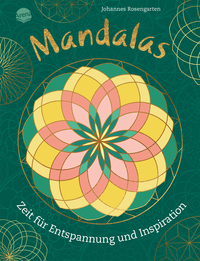
40 traumhafte Mandalas laden ein zu einer Pause vom Alltag. Einfach mal entschleunigen! Das Mandala-Malbuch mit edler Folienprägung auf dem Cover ist nicht nur ein Eye-Catcher, sondern spricht auch das Herz an. Wer zur Ruhe kommen will, ist hier genau richtig. Denn für jeden – Kinder wie auch Erwachsene – ist das passende Kreismotiv dabei. Dann heißt es nur noch: Lieblingsfarben auswählen, Muster gestalten und dabei der Fantasie freien Lauf lassen. Durch ihre harmonische Gestaltung haben Mandalas eine beruhigende Wirkung und versetzen uns ins Hier und Jetzt. Das ist Wellness pur für die Seele!
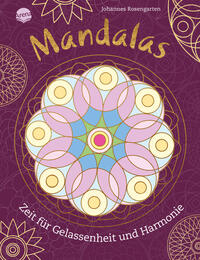
Mit diesen 40 traumhaften Mandalas zum Ausmalen gelingt die Entschleunigung im Alltag. Das Malbuch mit attraktiver Folienprägung auf dem Cover ist nicht nur ein Eye-Catcher, sondern spricht auch das Herz an. Wer zur Ruhe kommen will, ist hier genau richtig. Denn für jeden - Kinder wie auch Erwachsene - ist das passende Kreismotiv dabei.Dann heißt es nur noch: Lieblingsfarben auswählen, Muster gestalten und dabei der Fantasie freien Lauf lassen. Das beflügelt und ist Wellness pur für die Seele! Der Begriff „Mandala“ stammt aus dem Altindischen und bedeutet Kreis oder Zentrum. Um einen ruhenden Mittelpunkt herum sind Formen und Muster angeordnet. Diese Kreisbilder finden sich seit Urzeiten bei allen Völkern rund um den Erdball. Wir begegnen ihnen täglich: Sonne, Mond, Blüten, Jahresringe der Bäume … In allen Kulturen gilt der Kreis als ein Symbol für den Kreislauf des Lebens. Im hektischen Alltag, geprägt von Leistungsdruck, bietet das Ausmalen von Mandalas einen entspannenden Gegenpol. Durch ihre harmonische Gestaltung haben Mandalas eine beruhigende Wirkung und versetzen uns ins Hier und Jetzt.
 Trusted Partner
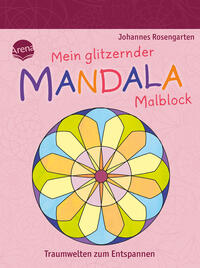
48 Mandalas laden zum Ausmalen ein und sorgen für Entspannung pur. Denn Mandalas auszumalen hat etwas Magisches: Es ist eine Quelle der Ruhe und Kraft. Dieser Mandala-Malblock spricht die Seele an und bringt die Kreativität in Fluss. Hier findet jeder seine liebsten Kreismotive – Kinder wie auch Erwachsene. Wer eine Pause vom Alltag braucht, ist hier genau richtig. Farben wählen, Muster gestalten und dabei einfach träumen. Schon ist man in einer Oase der Ruhe! Der Begriff „Mandala“ stammt aus dem Altindischen und bedeutet Kreis oder Zentrum. Bei diesen Kreisbildern sind die Formen und Muster um einen ruhenden Mittelpunkt herum angeordnet. Denn der Kreis gilt seit Urzeiten in allen Kulturen als ein Symbol für den Kreislauf des Lebens. Auch heute noch begegnen wir ihnen überall: Blüten, Jahresringe der Bäume, Kirchenfenster, Sonne, Mond, … Im oft hektischen Alltag der Kinder bietet das Ausmalen von Mandalas einen hervorragenden Gegenpol. Durch ihre harmonische Gestaltung haben Mandalas eine beruhigende Wirkung.
Trusted Partner
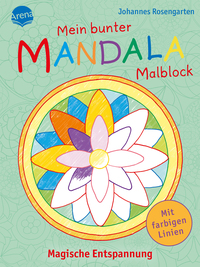
Bunter Mandala- Malspaß für Jung und Alt Traumhafte Mandalas, Entspannung pur – dieser Mandala-Malblock für Kinder ab 5 Jahren lässt nicht nur die Kreativität der Kleinen sprühen. Die bunten Konturen strahlen einem direkt entgegen und wecken bei Jung und Alt die Lust, sofort loszumalen. In 48 bunten Kreisbildern können fließende Formen und magische Muster farbenfroh ausgemalt werden.Wer eine Pause vom Alltag braucht, ist hier genau richtig. Farben wählen, Muster gestalten und schon schweift man träumend in die Ferne. 48 zauberhafte Mandalas Farbige Konturen regen die Kreativität an Ausmalen und entspannen
Trusted Partner

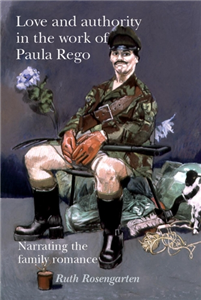
Rosengarten explores the narrative operations of Rego's work by mobilising both psychoanalytic theory and social history. She confronts, as case studies, three complex figure paintings from different moments in Rego's oeuvre: The Policeman's Daughter (1987), The Interrogator's Garden (2000), and The First Mass in Brazil (1993). The content of the three specimen paintings links them to the political context of the Estado Novo, the fascist-inspired regime that dominated Rego's childhood. Plotting links between the spheres of the political and the personal, Rosengarten throws light on the complex intertwining of state power and parental authority in Rego's work, focusing on the "labour of socialisation and resistance" that Rego's work evinces in relation to the Freudian model of the family romance. Rosengarten unveils the political context of Portugal under Salazar, and the workings of colonial fantasy, Catholic ideology and gender construction. In prodding the inalienable link between love and authority, this study offers a reading of Rego's work that interrogates, rather than subverts, the Oedipal model structuring the patriarchal family.
Trusted Partner
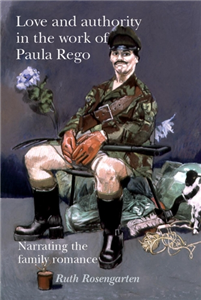
Rosengarten explores the narrative operations of Rego's work by mobilising both psychoanalytic theory and social history. She confronts, as case studies, three complex figure paintings from different moments in Rego's oeuvre: The Policeman's Daughter (1987), The Interrogator's Garden (2000), and The First Mass in Brazil (1993). The content of the three specimen paintings links them to the political context of the Estado Novo, the fascist-inspired regime that dominated Rego's childhood. Plotting links between the spheres of the political and the personal, Rosengarten throws light on the complex intertwining of state power and parental authority in Rego's work, focusing on the "labour of socialisation and resistance" that Rego's work evinces in relation to the Freudian model of the family romance. Rosengarten unveils the political context of Portugal under Salazar, and the workings of colonial fantasy, Catholic ideology and gender construction. In prodding the inalienable link between love and authority, this study offers a reading of Rego's work that interrogates, rather than subverts, the Oedipal model structuring the patriarchal family. ;
Trusted Partner
Trusted Partner
 Trusted Partner
 Trusted Partner
Trusted Partner
Trusted Partner
Trusted Partner
Trusted Partner
Trusted Partner
Trusted Partner
Trusted Partner
Trusted Partner
Trusted Partner
Trusted Partner
Trusted Partner
Trusted Partner
 Trusted Partner
Trusted Partner
Trusted Partner
Trusted Partner
Trusted Partner
Trusted Partner
Trusted Partner



