Bella & Harry, LLC
A newcomer to the children’s publishing industry, Bella & Harry publish books in an informative, interactive and exciting way to introduce children to travel, different countries, customs, history and landmarks.
View Rights Portal
A newcomer to the children’s publishing industry, Bella & Harry publish books in an informative, interactive and exciting way to introduce children to travel, different countries, customs, history and landmarks.
View Rights Portal
Kreativni centar (Creative Centre) is a leading publisher of children's books in Serbia. Founded in 1989, Kreativni centar started as a small, family based publisher, producing picture books, books for children and handbooks for parents, teachers and other professionals working with children. Right from the start, Kreativni centar put all its effort in making books that would support children from their early years all the way to adolescence, giving them the opportunity to develop creativity, practical skills, as well as presenting them advices and guidelines in the teenage years.
View Rights Portal

Das philosophische Enfant terrible Harry G. Frankfurt ist zurück, und zwar mit einem Paukenschlag. Nach seinem Welterfolg Bullshit widmet er sich in bewährt streitbarer Manier einer hochaktuellen Debatte: ökonomische Ungleichheit. Während man sich allenthalben einig ist, dass die ungleiche Verteilung von Gütern und Reichtum das große Problem unserer Zeit sei, postuliert Frankfurt die radikale Gegenthese: Ungleichheit ist moralisch irrelevant. Mit schwindelerregenden Gedankenexperimenten wirft Frankfurt ein vollkommen neues Licht auf Begriffe wie Genügsamkeit, Glück und Gerechtigkeit – und beantwortet nebenbei die heikle Frage, warum wir nicht alle gleich viel haben müssen. In zwei Essays stellt Harry G. Frankfurt eine Debatte auf den Prüfstand, die bisher niemand hinterfragt hat, und bringt vermeintlich unumstößliche Gewissheiten ins Wanken. So rigoros wie wegweisend, so überraschend wie überfällig.
 Trusted Partner

Menschen besitzen vermutlich als einzige Spezies die Fähigkeit, sich selbst ernst zu nehmen. Was aber heißt das? Für Harry Frankfurt ist diese Fähigkeit untrennbar verbunden mit zwei anderen Aspekten der menschlichen Natur: Vernunft und Liebe. Die Vernunft gebietet über unseren Verstand, die Liebe über unser Herz. Sie liefern die Gründe für unser Tun und spielen damit eine entscheidende Rolle für unser Selbstverständnis als frei handelnde, über sich selbst reflektierende Personen. Allerdings, so Frankfurt, ist es die Liebe, die die praktische Vernunft regiert. Lieben heißt sich sorgen: etwas intensiv wünschen, wollen oder begehren. Es ist also die Logik der Sorge, die unser Denken und Handeln im Kern bestimmt.
Trusted Partner

Zwölf Jahre nach dem Zweiten Weltkrieg fährt Norman Corinth zu einem Kongreß in das zerstörte Dresden. Begegnungen und Auseinandersetzungen stürzen den Amerikaner, der als Mitglied einer Bomberbesatzung an dem schicksalhaften Angriff auf Dresden beteiligt war, in Verwirrung. Noch einmal erlebt Corinth Anflug und Abschuß des Bombers – bis sich die Krise in einem Heilschlaf löst. Mit diesem Prosadrama einer vorübergehenden, heilsamen Selbstentfremdung ist Harry Mulisch (geboren 1927) bereit 1959 ein Kriegsbruch gelungen, das die Schuldaufrechnung der ehemaligen Kriegsgegner furchtlos beiseite räumt, um eine Begegnung mit den Leiden und Schmerzen des Kriegs zu ermöglichen.
Trusted Partner

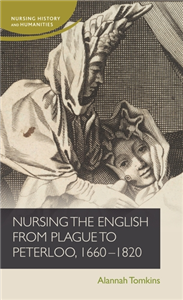
This book studies the negative stereotypes around the women who worked as sick nurses in this period and contrasts them with the lived experience of both domestic and institutional nursing staff. Furthermore, it integrates nursing by men into the broader history of care as a constant if little-recognised presence. It finds that women and men undertook caring work to the best of their ability, and often performed well, despite multiple threats to nurse reputations on the grounds of gender norms and social status. Chapters consider nursing in the home, in general hospitals, in specialist institutions like the Royal Chelsea Hospital and asylums, plus during wartime, illuminated by multiple accounts of individual nurses. In these settings, it employs the sociological concept of 'dirty work' to contextualise the challenges to nurses and nursing identities.
Trusted Partner
Trusted Partner


"Die junge Generation hat auch heute Respekt vor dem Alter, allerdings nur noch beim Wein, beim Whisky und bei den Möbeln." Norman Mailer bezeichnete Truman Capote als „vollkommensten Schriftsteller meiner Generation“: „Bissig wie meine Großtante schreibt er die besten Sätze, Wort für Wort, Takt für Takt.“ Und Tennessee Williams ergänzt: "Er ist eine entzückend lasterhafte alte Dame." Die besten Aussprüche und Boshaftigkeiten aus Truman Capotes Werk sind in diesem Band versammelt.
Trusted Partner

This series provides texts central to medieval studies courses and focuses upon the diverse cultural, social and political conditions that affected the functioning of all levels of medieval society. Translations are accompanied by introductory and explanatory material and each volume includes a comprehensive guide to the sources' interpretation, including discussion of critical linguistic problems and an assessment of recent research on the topics covered. From 1348 to 1350 Europe was devastated by an epidemic that left between a third and one half of the population dead. This source book traces, through contemporary writings, the calamitous impact of the Black Death in Europe, with a particular emphasis on its spread across England from 1348 to 1349. Rosemary Horrox surveys contemporary attempts to explain the plague, which was universally regarded as an expression of divine vengeance for the sins of humankind. Moralists all had their particular targets for criticism. However, this emphasis on divine chastisement did not preclude attempts to explain the plague in medical or scientific terms. Also, there was a widespread belief that human agencies had been involved, and such scapegoats as foreigners, the poor and Jews were all accused of poisoning wells. The final section of the book charts the social and psychological impact of the plague, and its effect on the late-medieval economy.
Trusted Partner
Trusted Partner

 Trusted Partner
Trusted Partner
Trusted Partner
Trusted Partner
Trusted Partner
Trusted Partner
Trusted Partner
Trusted Partner
Trusted Partner
Trusted Partner
Trusted Partner
Trusted Partner
Trusted Partner
Trusted Partner
Trusted Partner
Trusted Partner
Trusted Partner

 Trusted Partner