
Deutscher Apotheker Verlag
Specialist books in the fields of pharmacy - drug information - medicine.
View Rights Portal Trusted Partner

Specialist books in the fields of pharmacy - drug information - medicine.
View Rights Portal
The German Cultural Forum for Central and Eastern Europe publishes richly illustrated non-fiction books about the cultural history of those areas of Central and Eastern Europe where Germans used to, or still do live. The carefully edited titles with elaborated appendices are written by well-known experts who are able to present information about Central and Eastern Europe in an attractive way by cultural travel guides or historical overview books. The Cultural Forum also edits an annual and a bimonthly magazine, Blickwechsel ("Change of perspective") and Kulturkorrespondenz östliches Europa ("Cultural Correspondence Central and Eastern Europe"). Furthermore, the Forum organizes popular lectures, discussions, readings, exhibitions, concerts, journalist trips, writer residencies and prize-givings.
View Rights Portal

 Trusted Partner
Trusted Partner
Trusted Partner

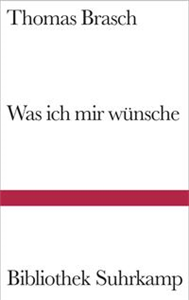
Liebe ist für Thomas Brasch (1945–2001) eine Haltung, die sich jeder Festlegung verweigert. Eine Haltung, die ihre Träume fürchtend und sehnend der Wirklichkeit aussetzt und das Mögliche stets in den Horizont des Unmöglichen stellt. Braschs dichterische Leidenschaft hofft und verzweifelt, vertraut und betrügt, preist und vernichtet. Und sie belehrt: Wann, wem und wie schreibt man ein erotisches Gedicht? In dem Band stehen Gedichte, die Brasch eigenständig und zu Lebzeiten publiziert hat, neben literarischen Hinterlassenschaften. Texte aus den frühen Jahren(»Anna, komm …«) sind ebenso vertreten wie Arbeiten aus jüngerer Zeit, etwa eine Gruppe mit Brunke-Gedichten, die in den 1990er Jahren entstanden sind.
Trusted Partner
Trusted Partner
Trusted Partner

 Trusted Partner
 Trusted Partner
 Trusted Partner

»Wir staunen, was wir offenbar schon lange gedacht haben und was wir uns jetzt laut zurufen: Demokratie jetzt oder nie!« Als Christa Wolf am 4. November 1989 diese Worte den versammelten Menschen am Alexanderplatz zuruft, steht die weltberühmte Schriftstellerin im Zentrum politischer Umbrüche. Sogar das Staatspräsidentenamt wird ihr angeboten. Wie hat die engagierte Autorin die DDR, den Mauerfall und die Wiedervereinigung erlebt? Im Jahr 2008 führte Thomas Grimm ein Interview mit Christa Wolf und ihrem Mann Gerhard Wolf. Christa Wolf erinnert sich in dem Gespräch an den Alltag in der DDR, die Überwachung durch die Stasi und die friedliche Revolution von 1989, zu deren wichtigsten Stimmen sie gehörte. Sie spricht über ihre vergebliche Hoffnung auf einen wirklich demokratischen Sozialismus in der DDR, über die Wiedervereinigung und ihre Eindrücke des sich verändernden Kunst- und Kulturbetriebs. Ihre gesellschaftlichen Diagnosen sind ihrer Zeit weit voraus, ob es den Wegzug junger Leute aus Ostdeutschland, die Ausbreitung rechter Gesinnungen oder die drohenden Folgen des Klimawandels betrifft. Christa Wolf zeigt sich als scharfsinnige Analytikerin der Wendezeit und couragierte Zeitgenossin und gibt ganz persönliche Einblicke in ihr Leben.
Trusted Partner


This collection tells the story of Thomas Becket's turbulent life, violent death and extraordinary posthumous acclaim in the words of his contemporaries. The only modern collection from the twelfth-century Lives of Thomas Becket in English and features all his major biographers, including many previously untranslated extracts. Providing both a valuable glimpse of the late twelfth-century world, and an insight into the minds of those who witnessed the events. By using contemporary sources, this book is the most accessible way to study this central episode in medieval history. Thomas Becket features prominently in most medieval core courses. This book allows the subject to be taught as never before, and is highly suitable as a set text.
Trusted Partner

This instructive study examines how a transnational discourse on 'modern' social policy - based the guiding principles of 'activation' and an 'activating welfare state' - intervenes in the concepts and practices of citizenship. What are the consequences of this reorientation for citizenship? How does it relate to patterns of exclusion and inequality inherent in each historical citizenship formation? What exactly is the EU's role in this context? The detailed qualitative study focuses on the European Employment Strategy - and in particular its gender equality dimension - as a central process where the activation agenda is constructed and equipped with meanings. It traces how this discourse is received and translated into practices of citizenship in three EU member states - Germany, the UK, and Hungary. The activation of citizenship in Europe will be principally of interest to academics and practitioners in the fields of European integration, social policy, and citizenship. ;
Trusted Partner
Trusted Partner
Trusted Partner
Trusted Partner
Trusted Partner

 Trusted Partner
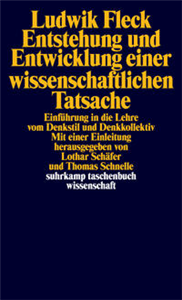
Flecks zuerst 1935 erschienene Studie ist die wohl erste soziologische Untersuchung der Produktion wissenschaftlichen Wissens: Wissen kann nicht losgelöst von den Menschen betrachtet werden, die es besitzen. Fleck entwickelt seine Konzeption am Beispiel einer historischen Fallstudie, nämlich der Entdeckung der sog. Wassermann-Reaktion, mit der sich Syphillis nachweisen läßt.
Trusted Partner
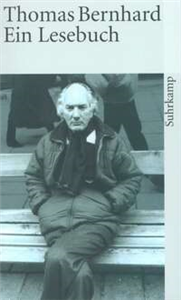
Das vorliegende Lesebuch versteht sich als Vorschlag und Einladung zu einer Erkundung des Bernhardschen Schreibens, dessen begriffs- und geschichtenzerstörende Irritationskraft den Leser in seinen Sog zieht und ihn jene Haltung einnehmen läßt, die Thomas Bernhard als die seinem Werk angemessene beschrieben hat: »Man soll sich vorstellen, man ist im Theater, man macht mit der ersten Seite einen Vorhang auf, der Titel erscheint, totale Finsternis – langsam kommen aus dem Hintergrund, aus der Finsternis heraus, Wörter, die langsam zu Vorgängen äußerer und innerer Natur, gerade wegen ihrer Künstlichkeit besonders deutlich zu einer solchen werden.«
Trusted Partner

Eine übersichtlich knappe, thematisch gegliederte, jeweils mit kurzen Einleitungen versehene Auswahl aus Ciorans Aphorismen und Essays präsentiert dieses Lesebuch von Thomas und Simone Stölzel. Es lädt zu einer ersten Bekanntschaft mit Werk und Welt des 1911 in Siebenbürgen geborenen und 1995 in Paris gestorbenen rumänischen Aphoristikers »auf den Gipfeln der Verzweiflung« – wie eines seiner Bücher heißt – ein. »Meine Feigheit vorm Leben ist angeboren. Stets graute mit vor jeder Verantwortung, jeder Aufgabe – instinktive Abscheu vor allem, was mich nicht unmittelbar anging. Das Gegenteil von einem ›Anführer‹. Und wenn ich als junger Mensch oftmals Gott beneidete, war es nicht vielleicht darum, weil mir Gott, der über allem stand, als verantwortungslos schlechthin erschien?«






