
Daniel Goleman - Foreign Audio
Please contact anaban@gmail.com for information
View Rights Portal


Makes available, for the first time in English translation, four of the principal narrative sources for the history of the Spanish kingdom of León-Castile during the eleventh and twelfth centuries. Three chronicles focus primarily upon the activities of the kings of León-Castile as leaders of the Reconquest of Spain from the forces of Islam, and especially upon Fernando I (1037-65), his son Alfonso VI (1065-1109) and the latter's grandson Alfonso VII (1126-57). The fourth chronicle is a biography of the hero Rodrigo Díaz, better remembered as El Cid, and is the main source of information about his extraordinary career as a mercenary soldier who fought for Christian and Muslim alike. Covers the fascinating interaction of the Muslim and Christian worlds, each at the height of their power. Each text is prefaced by its own introduction and accompanied by explanatory notes.

This book examines the television serials created by influential showrunner David Simon. The book argues that Simon's main theme is the state of the contemporary American city and that all of his serials (barring one about the Iraq War) explore different facets of the metropolis. Each series offers distinctly different visions of the American city, but taken together they represent a sustained and intricate exploration of urban problems in modern America. From deindustrialisation in The Wire and residential segregation in Show Me a Hero to post-Katrina New Orleans in Treme and the transformation of the urban core in The Deuce, David Simon's American city traces the urban through-line in Simon's body of work. Based on sustained analysis of these serials and their engagement with contemporary politics and culture, David Simon's American city offers a compelling examination of one of television's most arresting voices.
 Trusted Partner

David and Bathsheba presents a modernised edition of George Peele's explosive biblical drama about the tangled lives, deadly liaisons, and twisted histories of Ancient Israel's royal family. Martin's critical edition is the first modern single-volume edition of the play since 1912 and opens up this unduly neglected gem of English Renaissance drama to student and scholar alike. The introduction examines such topics as the play's treatment of its biblical and poetic sources, its engagement with Elizabethan politics, and its forceful representations of religious fanaticism, genocide, and sexual violence. Its commentary notes clarify the text's meaning and staging, guide the reader through the play's dramatisation of the turbulent Davidic period of Ancient Israel's history, and place the play in its broader cultural and artistic milieu. Martin's edition aims to encourage new contemporary critical study of Peele's powerful and disturbing drama.
Trusted Partner

David and Bathsheba presents a modernised edition of George Peele's explosive biblical drama about the tangled lives, deadly liaisons, and twisted histories of Ancient Israel's royal family. Martin's critical edition is the first modern single-volume edition of the play since 1912 and opens up this unduly neglected gem of English Renaissance drama to student and scholar alike. The introduction examines such topics as the play's treatment of its biblical and poetic sources, its engagement with Elizabethan politics, and its forceful representations of religious fanaticism, genocide, and sexual violence. Its commentary notes clarify the text's meaning and staging, guide the reader through the play's dramatisation of the turbulent Davidic period of Ancient Israel's history, and place the play in its broader cultural and artistic milieu. Martin's edition aims to encourage new contemporary critical study of Peele's powerful and disturbing drama.
Trusted Partner

Julio Llamazares wurde 1955 als Sohn des Dorfschullehrers in Vegamián, in der nordspanischen Provinz León, geboren. Mit 12 Jahren wurde er in ein Internat nach Madrid geschickt. Er studierte zunächst Jura, arbeitete jedoch nur kurze Zeit als Rechtsanwalt. Statt dessen begann er in Madrid für verschiedene Medien journalistisch tätig zu werden. Seine erste literarische Veröffentlichung war der Gedichtband La lentitud des los bueyes von 1979, der den "Premio de Poesía Antonio G. de Lama" erhielt. Eine Essay-Sammlung El entierro de Genarín. Evangelio apócrifo del último heterodoxo español folgte 1981 und ein Jahr später weitere Gedichte unter dem Titel Memoria de la nieve, die mit dem "Premio Jorge Guillén" ausgezeichnet wurden. Neben den drei Romanen, Luna de lobos (1985, dt. Wolfsmond, 1991), La lluvia amarilla (1988, dt. Der gelbe Regen, 1991) und Escenas de cine mudo (1994, dt. Stummfilmszenen, 1998) sind von Llamazares auch journalistische Arbeiten und Reiseberichte in Buchform erschienen. Luna de lobos, der erste Roman, war in Spanien ein großer literarischer Erfolg und wurde zwei Jahre später unter demselben Titel, nach einem von Llamazares verfaßten Drehbuch, verfilmt. Die Erfahrung des Verlustes seines Geburtsortes - 1968 mußte das Dorf einem Stausee weichen - war prägend für das literarische Schaffen von Julio Llamazares. Die verlassene, vom Aussterben bedrohte ländliche Bergregion Leóns und Asturiens bildet immer wieder den Hintergrund seiner Werke. Im Zentrum steht das Verschwinden von Traditionen und eine Sensibilität, die die Natur als vom Menschen unabhängige Einheit betrachtet. In der Gegenüberstellung von ländlichem und städtischem Leben wird jedoch die Natur nicht idyllisch verklärt - sie ist vielmehr bestimmt von Einsamkeit, Überlebenskampf und Sterben. Sein literarisches Werk, das auch als poetische Reflexion über die Einsamkeit gelesen werden kann, hat Julio Llamazares zu einem herausragenden Vertreter der jüngeren Schriftsteller-Generation im postfranquistischen Spanien gemacht.
Trusted Partner
For nearly half a century Anne Lake Prescott has been a force and an inspiration in Renaissance studies. A force, because of her unique blend of learning and wit and an inspiration through her tireless encouragement of younger scholars and students. Her passion has always been the invisible bridge across the Channel: the complex of relations, literary and political, between Britain and France. The essays in this long-awaited collection range from Edmund Spenser to John Donne, from Clément Marot to Pierre de Ronsard. Prescott has a particular fondness for King David, who appears several times; and the reader will encounter chessmen, bishops, male lesbian voices and Roman whores. Always Prescott's immense erudition is accompanied by a sly and gentle wit that invites readers to share her amusement. Reading her is a joyful education.
Trusted Partner
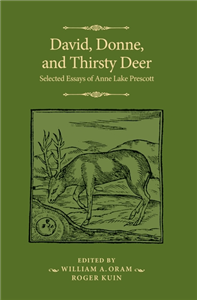
For nearly half a century Anne Lake Prescott has been a force and an inspiration in Renaissance studies. A force, because of her unique blend of learning and wit and an inspiration through her tireless encouragement of younger scholars and students. Her passion has always been the invisible bridge across the Channel: the complex of relations, literary and political, between Britain and France. The essays in this long-awaited collection range from Edmund Spenser to John Donne, from Clément Marot to Pierre de Ronsard. Prescott has a particular fondness for King David, who appears several times; and the reader will encounter chessmen, bishops, male lesbian voices and Roman whores. Always Prescott's immense erudition is accompanied by a sly and gentle wit that invites readers to share her amusement. Reading her is a joyful education.
Trusted Partner

This book re-examines French cinema of the 1970s. It focuses on the debates which shook French cinema, and the calls for film-makers to rethink their manner of filming, subject matter and ideals in the immediate aftermath of the student revolution of May 1968. Alison Smith examines the effect of this re-thinking across the spectrum of French production, the rise of new genres and re-formulation of older ones. Chapters investigate political thrillers, historical films, new naturalism and Utopian fantasies, dealing with a wide variety of films. A particular concern is the extent to which film-makers' ideas and intentions are contained in or contradicted by their finished work, and the gradual change in these ideas over the decade. The final chapter is a detailed study of two directors who were deeply involved in the debates and events of the 70s, William Klein and Alain Tanner, here taken as exemplary spokesmen for those changing debates as their echoes reached the cinema.
Trusted Partner
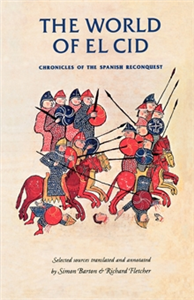
Makes available, for the first time in English translation, four of the principal narrative sources for the history of the Spanish kingdom of León-Castile during the eleventh and twelfth centuries. Three chronicles focus primarily upon the activities of the kings of León-Castile as leaders of the Reconquest of Spain from the forces of Islam, and especially upon Fernando I (1037-65), his son Alfonso VI (1065-1109) and the latter's grandson Alfonso VII (1126-57). The fourth chronicle is a biography of the hero Rodrigo Díaz, better remembered as El Cid, and is the main source of information about his extraordinary career as a mercenary soldier who fought for Christian and Muslim alike. Covers the fasincating interaction of the Muslim and Christian worlds, each at the height of their power. Each text is prefaced by its own introduction and accompanied by explanatory notes. ;
Trusted Partner
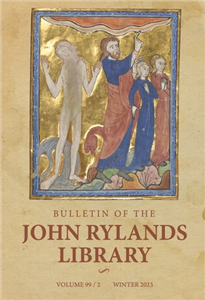
The John Rylands Library houses one of the finest collections of rare books, manuscripts and archives in the world. The collections span five millennia and cover a wide range of subjects, including art and archaeology; economic, social, political, religious and military history; literature, drama and music; science and medicine; theology and philosophy; travel and exploration. For over a century, the Bulletin of the John Rylands Library has published research that complements the Library's special collections. The editors invite the submission of articles in these fields and welcome discussion of in-progress projects.
Trusted Partner
Trusted Partner

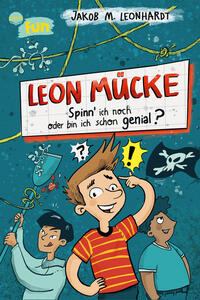
Genial witziger Comicroman für alle ab 8. Vom Bestsellerautor des „Genialen Chaoten"; mit lustigen zweifarbigen Bildern von Ka Schmitz. Seufz. Ächz. Jammer. Etwas Meteroit-löscht-die-Dinosaurer-aus-mäßig Unerwartetes ist passiert: Rudger Hauer hat an unserem Geheimbüro im alten Schulkiosk geklopft und uns um Hilfe gebeten. Ausgerechnet RUDGER. Er ist in unserer Klasse, aber zwei Jahre älter und auch zwei Köpfe größer als wir. Und natürlich ist er viel stärker. Das wäre nicht so schlimm, wenn Rudger nicht ein monstermäßiger Oberfiesling wäre. Ständig disst er uns und nimmt uns Sachen weg. Rudger ist unser Erzfeind Nr. 1. Und jetzt hat Rudger an den Kiosk geklopft und uns um Hilfe gebeten. Das Problem ist, dass Rudger nicht weiß, dass wir es sind, die er um Hilfe gebeten hat. Es darf auch nie jemand erfahren, denn wir sind ja Problem-lös-GEHEIMagenten. Darum haben wir ihm versprochen, ihm zu helfen. Obwohl er ein warzen-mäßiger vollpfostiger Riesenidiot ist. Allerdings haben wir im Moment noch keine Ahnung, wie wir das anstellen sollen. Alles andere als genial! Seit Leon und seine Freunde Problem-lös-Agenten geworden sind, haben sie schon einige Fälle gelöst. Jeder, der ein Problem hat, kann in ihr Büro im alten verlassenen Schulkiosk kommen, und sie kümmern sich um die Lösung. Natürlich voll heimlich, denn zufälligerweise gilt: Kiosk betreten streng verboten! Doch nun stehen Leon, Ixy und Timtom vor ihrer größten Herausforderung – ausgerechnet ihr Erzfeind und fiese Schulhofschläger Rudger Hauer hat sie um Hilfe gebeten. Zum Glück ahnt er nicht, wer hinter den Problem-lös-Agenten steckt! Denn wenn Rudger herausfinden würde, dass die Drei sein geheimstes Geheimnis kennen, würde er sie garantiert sofort zu Bananenmus verarbeiten! Für die Problem-lös-Agenten geht es um alles: Sollen sie Rudger helfen, obwohl er sie jahrelang gemobbt hat? Oder nehmen sie zum ersten Mal in Kauf, einen Fall nicht zu lösen? Schnell ist klar: Kneifen kommt für die Problem-lös-Agenten nicht infrage! **Die Arena-Fun-Bücher** Altersübergreifende Geschichten Für alle von 8-11 Jahren Ansprechendes Text-Bild-Leseerlebnis Kurze Kapitel, überschaubare Textmenge Fördert die Lesebegeisterung und Lesekompetenz Beschert schnell Erfolgserlebnisse Weitere Bücher von Jakob M. Leonhardt im Arena Verlag: Knapp vorbei ist auch daneben. Ein genialer Chaot packt aus Chillen macht den Meister. Ein genialer Chaot startet durch Erst der Spaß, dann das Vergnügen. Geniale Chaoten bringt nichts auf die Palme In der Faulheit liegt die Kraft. Geniale Chaoten fallen nicht vom Himmel Chaos ist das halbe Leben. Ein verkanntes Genie auf der Überholspur Kings of Chaos (1). Zahm wie Schulhofhaie Kings of Chaos (2). Fit wie ein Faultier Kings of Chaos (3). Bleib locker, Stinktier!
Trusted Partner
 Trusted Partner

Daniel Calparsoro, a director who has made a crucial contribution to contemporary Spanish and Basque cinema, has provoked strong reactions from the critics. Reductively dismissed as a works of crude violence by those lamenting a 'lost golden age' of Spanish filmmaking, Calparsoro's films in fact reveal a more complex interaction with trends and traditions in both Spanish and Hollywood cinema. This book is the first full-length study of the director's work, from his early social-realist films set in the Basque Country to his later forays into the genres of the war and horror. It offers an in-depth film-by-film analysis while simultaneously exploring the director's position in the contemporary Spanish context, the tension between directors and critics and the question of national cinema in an area - the Basque Country - of heightened national and regional sensitivities.
Trusted Partner

Daniel Calparsoro, a director who has provided a crucial contribution to the contemporary scene in Spanish and Basque cinema, has provoked strong reactions from the critics. Reductively dismissed as a purveyor of crude violence by those critics lamenting a 'lost golden age' of Spanish filmmaking, Calparsoro's films reveal in fact a more complex interaction with trends and traditions in both Spanish and Hollywood cinema. This book is the first full-length study of the director's work, from his early social realist films set in the Basque Country to his later forays into the genres of the war and horror film. It offers an in-depth film-by-film analysis, while simultaneously exploring the function of the director in the contemporary Spanish context, the tension between directors and critics, and the question of national cinema in an area - the Basque Country - of heightened national and regional sensitivities. ;
Trusted Partner
Trusted Partner
 Trusted Partner
 Trusted Partner
 Trusted Partner

The French empire at war draws on original research in France and Britain to investigate the history of the divided French empire - the Vichy and the Free French empires - during the Second World War. What emerges is a fascinating story. While it is clear that both the Vichy and Free French colonial authorities were only rarely masters of their own destiny during the war, preservation of limited imperial control served them both in different ways. The Vichy government exploited the empire in an effort to withstand German-Italian pressure for concessions in metropolitan France and it was key to its claim to be more than the mouthpiece of a defeated nation. For Free France too, the empire acquired a political and symbolic importance which far outweighed its material significance to the Gaullist war effort. As the war progressed, the Vichy empire lost ground to that of the Free French, something which has often been attributed to the attraction of the Gaullist mystique and the spirit of resistance in the colonies. In this radical new interpretation, Thomas argues that it was neither of these. The course of the war itself, and the initiatives of the major combatant powers, played the greatest part in the rise of the Gaullist empire and the demise of Vichy colonial control.



