Tilly-Ink Rights Agency
Tilly-Ink sells foreign rights for French Canadian publishers essentially.
View Rights Portal
Tilly-Ink sells foreign rights for French Canadian publishers essentially.
View Rights Portal

 Trusted Partner


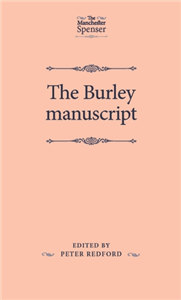
Edmund Spenser famously conceded to his friend Walter Raleigh that his method in The Faerie Queene 'will seeme displeasaunt' to those who would 'rather have good discipline delivered plainly in way of precepts, or sermoned at large'. Spenser's allegory and Elizabethan biblical exegesis is the first book-length study to clarify Spenser's comparison by introducing readers to the biblical typologies of contemporary sermons and liturgies. The result demonstrates that 'precepts ... sermoned at large' from lecterns and pulpits were themselves often 'clowdily enwrapped in allegoricall devises'. In effect, routine churchgoing prepared Spenser's first readers to enjoy and interpret The Faerie Queene. A wealth of relevant quotations invites readers to adopt an Elizabethan mindset and encounter the poem afresh. The 'chronicle history' cantos, Florimell's adventures, the Souldan episode, Mercilla's judgment on Duessa and even the two stanzas that close the Mutabilitie fragment, all come into sharper focus when juxtaposed with contemporary religious rhetoric.
Trusted Partner
England and the 1966 World Cup presents a cultural analysis of what is considered a key 'moment of modernity' in the nation's post-war history. Regarded as having an importance beyond its primary sporting purpose, the World Cup in England is examined within the complexity of the cultural, social and political changes that characterised the mid-1960s. Yet, although addressing the importance of non-sport related connections, the book maintains a focus on football, discussing it as a 'cultural form' and presenting an original perspective on the aesthetic accomplishment in football tactics by England's manager, Alf Ramsey. The study considers the World Cup in relation to the cup tradition, England as the World Cup host nation, the England squad and masculinity, the modernism of England's manager Alf Ramsey, design and commercial aspects of the World Cup, a critical engagement within existing academic accounts, and an examination of how England's victory has been remembered and commemorated.
Trusted Partner

Scholars of Edmund Spenser have focused much more on his accomplishments in epic and pastoral than his work in satire. Scholars of early modern English satire almost never discuss Spenser. However, these critical gaps stem from later developments in the canon rather than any insignificance in Spenser's accomplishments and influence on satiric poetry. This book argues that the indirect form of satire developed by Spenser served during and after Spenser's lifetime as an important model for other poets who wished to convey satirical messages with some degree of safety. The book connects key Spenserian texts in The Shepheardes Calender and the Complaints volume with poems by a range of authors in the late sixteenth and early seventeenth centuries, including Joseph Hall, Thomas Nashe, Tailboys Dymoke, Thomas Middleton and George Wither, to advance the thesis that Spenser was seen by his contemporaries as highly relevant to satire in Elizabethan England.
Trusted Partner

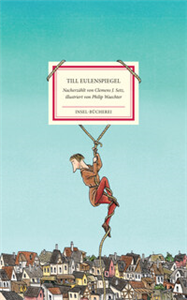
Jedes Kind kennt die Geschichten des berühmtesten aller Narren, der Eulen und Meerkatzen bäckt, einem Esel das Lesen beibringt und den Grafen von Anhalt für dumm verkauft. Sprichwörtlich sind seine Eulenspiegeleien, das penetrante Wörtlichnehmen und absichtliche Missverstehen, mit denen er sich Herren und Meister vom Leib hält. Doch nicht nur die Mächtigen werden Opfer seiner derben Späße, sondern auch arme Bauern und Handwerker, Tiere und Kinder. In Clemens J. Setz’ Nacherzählungen ausgewählter Historien aus dem beliebten Volksbuch stiftet Till Eulenspiegel, »diese vielleicht freieste Figur der deutschen Literatur«, nichts als Unruhe und Chaos in den Dörfern und Häusern der braven, anständigen Menschen, zum diebischen Vergnügen des Lesers, herrlich hintergründig illustriert von Philip Waechter.
Trusted Partner


Mehr Wunder als im 20. Jahrhundert gab es nie, denn überkommene Wundervorstellungen bestanden fort, während sich in Naturwissenschaften und Technik, Politik und Wirtschaft gänzlich neue Wunderwelten eröffneten. Als Erklärungen ungewöhnlicher Ereignisse und Erfahrungen reduzierten Wunderzuschreibungen Komplexität, entfalteten aber auch ihre ganz eigenen Dynamiken. Die Beiträge dieses Bandes analysieren den Umgang mit einer Vielzahl wunderhafter Begebenheiten der Zeitgeschichte und knüpfen aus unterschiedlichen disziplinären Perspektiven an Debatten über die Wiederverzauberung der Welt, die Grenzen menschlicher Erkenntnis und die Epistemologien des Übersinnlichen an. Entfaltet wird ein ungewöhnliches Panorama der unmittelbaren Vorgeschichte unserer wundersamen Gegenwart.
Trusted Partner
 Trusted Partner

»Wer den Chor der Mäuse nicht hört, braucht nicht mit mir befreundet zu sein.« Clemens J. Setz ist der Autor bahnbrechender Romane wie Die Stunde zwischen Frau und Gitarre, aufregender Erzählungsbände wie Der Trost runder Dinge, von Gedichten, Theaterstücken, Drehbüchern, Nacherzählungen und Essays. Er ist Übersetzer, ein Freund der Plansprachen, des Obertongesanges, der Ziegen und der Hasen. Er ist Träger des Georg-Büchner-Preises, des Kleist-Preises, des Berliner Literaturpreises. Außerdem ist er ein Poet der Kurznachrichtendienste und noch einiges mehr. In seiner radikalen Vielfältigkeit und vielfältigen Radikalität ist er eine herausragende Figur der Gegenwartsliteratur. Für Fans der Setz’schen Werke und seiner Person ist dieses hochwertige Plakat mit einem Porträt des Dichters gedacht, aufgenommen vom Berliner Fotografen Max Zerrahn. Poster auf stabilem GalaxyArt-Papier im DIN-A1-Format
Trusted Partner


Ein Klo für Mo! Es ist wieder so weit. Mo muss aufs Klo! Doch für so ein kleines Faultier ist der Weg bis dahin gar nicht so einfach. Ständig hat er neue spannende Begegnungen, die definitiv eine Pause wert sind. Doch dann wird’s plötzlich sehr dringend und Mo hält es nicht mehr aus. Ob er es noch rechtzeitig aufs Klo schafft? Dieses Bilderbuch entschärft das Thema Klogang auf humorvolle Weise und hilft Eltern dabei, ihre Kinder besser zu verstehen. Denn es gibt so vieles, was ein Kind auf dem Weg zum Klo ablenken kann … Für Kinder ab 3 Jahren Topthema: Toilettengang Ein unvergessliches Bilderbuch von Erfolgsautor Jochen Till Wichtige Kinderthemen : Familie, Selbstständigkeit und die eigenen Fähigkeiten entdecken Faultier Mo als Identifikationsfigur für Kinder Viel zu gucken und zu lachen : mit detailreichen und humorvollen Bildern und liebenswerten Charakteren Für Eltern, deren Kinder das Aufs-Klo-gehen gerne hinauszögern Auch für Erwachsene, die selbst oft genug vom Klogang abgehalten werden
Trusted Partner
Trusted Partner

Seit seinem Debüterfolg mit dem Roman Wäldchestag im Jahr 2000 ist Andreas Maier häufig unterwegs, um aus seinen Romanen zu lesen. Nur daß er in den letzten ein, zwei Jahren meist, wenn er eingeladen war, auch immer wieder schon aus dem kommenden Onkel J. las. Jedesmal hatte er damit das Publikum im Handumdrehen auf seiner Seite. Umstandslos fand man sich angeschlossen an Maiers Welt aus Wetterau, Familie, Fußball, Apfelwein, aus Thomas Bernhard und dem Evangelium nach Matthäus, aus Ängsten, Kneipenfreuden und -nöten, eingepackt in absurde Vorkommnisse und komische Erlebnisse. Jede Kolumne beginnt mit einem »Neulich«-Satz, die erste so: »Neulich war ich in Berlin. Das wird jetzt niemand weiter ungewöhnlich finden, aber ich bin Hesse, und mir ging in Berlin ein Wunsch in Erfüllung.« Dennoch handelt es sich um alles andere als ein Kolumnenbuch. Vielmehr nimmt Onkel J. – im Übergang von den ersten vier Romanen zu Maiers Projekt »Ortsumgehung« – eine zentrale Stelle ein. »Alles gehört zusammen, und für alles ist das Kolumnenbuch der Kern.«
Trusted Partner

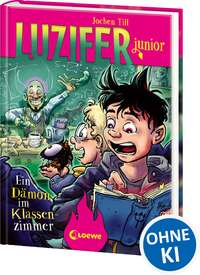
Was ist das denn? Fauxpas kann ja sprechen? Cornibus ist ganz verblüfft. Bisher hat das kleine Keinhorn doch immer nur Määääh gemacht. Und nun erzählt Fauxpas dem Hausdämon Cornibus seine traurige Geschichte. Denn Fauxpas kommt aus dem GLITZERWALD, wo alles perfekt ist, jedes Gänseblümchen genau fünfzehn Blätter, jeder Marienkäfer exakt sieben Punkte und jedes Zweihorn zwei Hörner hat. Und wo er als einziges Einhorn unter lauter Zweihörner gnadenlos gemobbt und gehänselt wurde. Dieser Ort sei schrecklich, sagt Fauxpas – viel schrecklicher als die Hölle, wo er von Luzifer senior regelmäßig gestreichelt, gefüttert und überhaupt heiß geliebt wird. Bei Jochen Till und Raimund Frey wird die Glitzerwelt der Einhörner zur wahren Hölle – so lustig kann man eine Geschichte über Ausgrenzung auch erzählen.
Trusted Partner

Eine historische Begebenheit liegt diesem szenischen Bericht zu Grunde: der Fall Oppenheimer. Am 12. April 1954 begann in Washington die Untersuchung gegen den Physiker und langjährigen Leiter der amerikanischen Atomforschung J. Robert Oppenheimer. Der Untersuchungsausschuß, von der Atomenergiekommission der USA eingesetzt, sollte prüfen, ob sich der Wissenschaftler der Regierung seines Landes gegenüber loyal verhalten habe. Das drei Wochen währende Verhör, Beispiel und Ausdruck des Konflikts zwischen Individuum und Gesellschaft, Wissenschaft und Staat, zählt zu den denkwürdigen Ereignissen der Zeitgeschichte.
Trusted Partner

This book offers the first serious critical study of Roger Michell's career as a filmmaker. Best known for Notting Hill, Michell brought a distinctive sensitivity to his work in both the UK and the US, across genres ranging from romantic comedy to historical drama. While Michell had success in theatre and television, the focus here is on his twenty-year career in film and the particular qualities he brought to adaptation and character-driven storytelling. The book explores his handling of relationships and place, from the quiet emotional detail of Persuasion to the observational humour of The Duke, and highlights his ability to subvert narrative conventions through careful attention to mood, tone and performance. McFarlane's study positions Michell as a perceptive and underappreciated figure in contemporary British cinema, whose work continues to reward close viewing.
Trusted Partner

Looking at contemporary film and television, this book explores how popular genres frame our understanding of on-screen performance. Previous studies of screen performance have tended to fix upon star actors, directors, or programme makers, or they have concentrated upon particular training and acting styles. Moving outside of these confines, this book provides a truly interdisciplinary account of performance in film and television and examines a much neglected area in our understanding of how popular genres and performance intersect on screen. Each chapter concentrates upon a particular genre or draws upon generic case studies in examining the significance of screen performance. Individual chapters examine contemporary film noir, horror, the biopic, drama-documentary, the western, science fiction, comedy performance in 'spoof news' programmes and the television 'sit com' and popular Bollywood films.
Trusted Partner

Public issue television is a major contribution to understanding the relationship between television, politics and society. Based on full access to the archives, it offers a fascinating historical account of how one television series, Granada's World in Action, celebrated for its tough journalism, visual directness and public impact, functioned and developed over its run across 35 years between 1963 and 1998. In a succession of chapters looking at different periods in the series' development and at key dimensions of its distinctive identity, it gets deep inside the making of factual television and examines how a particular culture of production works within broader conditions of possibility and constraint. In particular, it charts the interwoven processes of change - technological, professional, aesthetic, institutional, economic, social and political. As well as discussing achievement and success, it examines the tensions, the debates and open conflicts that formed part of the context within which the series was made and transmitted across four decades. ;
Trusted Partner

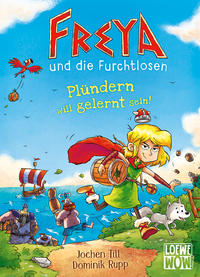
Freya and the Fearless - Plundering is a Skill! (Vol. 2) All Vikings are fearless? Not quite ... They call themselves "The Fearless" and they want to rob, plunder and pillage for all they're worth. The only problem is that the sight of a little girl makes them wet their pants. Freya has had enough of plundering Vikings and gives Heinar's people a good scare.What happens in Vol. 2:The sea is getting narrower and narrower, with land in sight to the right and left. So this must be England. Finally, our brave Vikings can once again plunder, rob and pillage to their heart's content. Heinar and his men sail leisurely up the Thames, until something blocks their way: Unfortunately, the British king's architects built the new bridge much too low. Now no ship can get out or back in and the English have to do without their beloved hot drink: tea. Freya and the Fearless turn Tower Bridge into a suspension drawbridge, bring back tea to the British, and casually invent the bearskin cap along the way.• A little girl shows the despondent Vikings what a real guy is• Funny sidekicks: The Odin family is watching from heaven• Innovative 90:10 text-image ratio, illustrated in b/w• For fans of ‘Vicky the Viking’ and ‘Asterix & Obelix’.• To be continued with Vol. 3 and 4
Trusted Partner
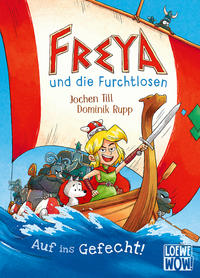
Freya and the Fearless (Vol. 1) - Off to Battle! They call themselves "The Fearless" and they want to rob, plunder and pillage for all they're worth. The only problem is that the sight of a little girl makes them wet their pants. Freya has had enough of plundering Vikings and gives Heinar's people a good scare. • A little girl shows the despondent Vikings what a real guy is • Funny sidekicks: The Odin family is watching from heaven • Innovative 90:10 text-image ratio, illustrated in b/w • For fans of ‘Vicky the Viking’ and ‘Asterix & Obelix’. • Volumes 2 and 3 coming in 2022 and 2023 Viking chief Heinar Hookepee leads a small troop of daring men into a new adventure. While it is being widely discussed who exactly should lead the attack, a little girl stands up to them - our heroine Freya. She's fed up with Vikings attacking her village all the time and angrily scolds Hookepee and his men - who are nowhere near as fearless and brave as they always pretend to be. Something has to change: The men have to learn to become real Vikings. And who better to teach them than the fearless Freya? So Freya lands on the Viking ship and, with a lot of wit and clever methods, tries to teach our sissy Vikings everything they are missing.
Trusted Partner