
Vanny Gani
The Awakening of the Stars, a novel in the mystical fiction category & Aerial Roots a drama and comedy about the author grandmother.
View Rights Portal
The Awakening of the Stars, a novel in the mystical fiction category & Aerial Roots a drama and comedy about the author grandmother.
View Rights Portal

Devolution to Scotland and Wales represented the most fundamental reform of the British state for almost a century. Ten years on, how successful has the reform been? Drawing on the views of citizens, elected representatives and interest groups in Scotland and Wales, this book provides an answer. The book is based on a wide ranging programme of research, involving dedicated surveys and interviews across Scotland, Wales and England. The results provide important new evidence on how devolution has been seen to have performed. What are its perceived achievements? What are its shortcomings? Is the new devolution 'settlement' stable, or is there a demand for further reform? By bringing together perspectives from the public, members of the devolved legislatures and representatives of civil society, the book establishes a unique picture of where devolution in Britain stands today. The book is accessibly written, and contains a wide range of useful primary data. It is ideal for undergraduate and postgraduate students studying devolution in Britain, as well as for general readers with an interest in constitutional reform and territorial politics. ;


Lucifer and Icarus are the best-known figures in the ancestral gallery of the arrogant. Pride, the original sin, or hubris, also known as class conceit, arrogance, vanity, haughtiness and narcissism, is widespread in many facets. We find celebrities from the past and present, fiction and reality, in this Cabinet of Sinners.
 Trusted Partner
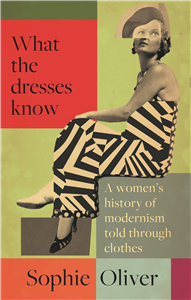
An exciting new history of modernism that re-examines the movement through some of its most brilliant female artists. Pioneering women were at the heart of the movement known as modernism. In What the dresses know, Sophie Oliver offers a new account of their radical experiments and extraordinary lives, told through the clothes they made and wore. From a dress Vanessa Bell rescued from the London Blitz to Frida Kahlo's huipiles and a waistcoat embroidered for Gertrude Stein by Alice B. Toklas, these special objects tell a story of artists seeking transformation. But getting dressed is rarely straightforward. Modernist women used clothes to think through the contradictions of the modern world: the inequalities of industrialisation, the terrible conformities demanded by fascism and racism and the call of feminists, socialists and avant-gardists to act differently and take up new forms of art. What the dresses know is an exhilarating account of women's bold attempts to make history during years of tumultuous change. A distinctive new voice in cultural criticism, Sophie Oliver uses clothes to explore the challenges modernist women faced - and to understand her own impulses in writing about them.
Trusted Partner
Trusted Partner
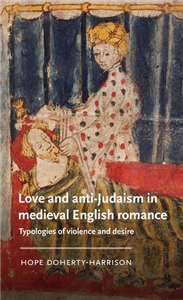
Love and anti-Judaism is a new examination of medieval romance for the questions it poses of the most significant events in Christian history. Providing new readings of Sir Gawain and the Green Knight, Sir Orfeo, Sir Gowther and Sir Amadace, the book argues that romance explores depictions of love-and the sacrifices it may necessitate-in the Hebrew Bible, especially where they do not easily fit into interpretations asserting that this history must prefigure Christ and the crucifixion. An examination of anti-Judaism as a discourse of violence and desire that could be turned inwardly to expose the irresolution in Christianity, this book will provoke new investigations into the religious crises of medieval romance.
Trusted Partner


Young flippert zwischen Bude, Hörsaal und den Betten seiner letzten Tinder-Matches hin und her. Er studiert in Seoul, zusammen mit Jaehee, seiner BFF und Mitbewohnerin, zieht er durch die glitzernden Bars und queeren Clubs der Stadt. Mit noch einem Glas Soju in der Hand und eisgekühlten Marlboro Reds zwischen den Lippen beschwören sie die Euphorie, jede Nacht. Gegen die Ängste, gegen die Liebe, gegen die Ansprüche der Familie und die Not mit dem Geld. Doch als auch Jaehee endlich ankommen will, bleibt Young allein zurück im Partymodus. Mit seiner altgewordenen Mutter, mit dutzenden Liebhabern, von denen kaum einer seinen Namen kennt, mit der Leidenschaft fürs Schreiben und einer Frage: Ist in diesem Land für einen wie mich überhaupt eine Zukunft vorgesehen? Kann ich sie erreichen? Love in the Big City ist eine Heldengeschichte von gewaltiger Zärtlichkeit und Lässigkeit. Sang Young Park erzählt von Chaos, Freude, Leichtigkeit des Jungseins, und seinen schmerzhaften Grenzen, in einer Gesellschaft, deren Vergangenheit trotz allem Blitzen, Blinken, Träumen seltsam mächtig bleibt … Das Kultbuch aus Südkorea, Porträt einer Generation, Psychogramm eines faszinierenden Landes.
Trusted Partner
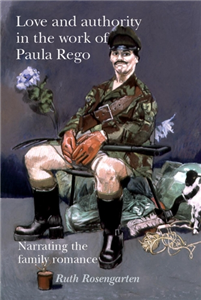
Rosengarten explores the narrative operations of Rego's work by mobilising both psychoanalytic theory and social history. She confronts, as case studies, three complex figure paintings from different moments in Rego's oeuvre: The Policeman's Daughter (1987), The Interrogator's Garden (2000), and The First Mass in Brazil (1993). The content of the three specimen paintings links them to the political context of the Estado Novo, the fascist-inspired regime that dominated Rego's childhood. Plotting links between the spheres of the political and the personal, Rosengarten throws light on the complex intertwining of state power and parental authority in Rego's work, focusing on the "labour of socialisation and resistance" that Rego's work evinces in relation to the Freudian model of the family romance. Rosengarten unveils the political context of Portugal under Salazar, and the workings of colonial fantasy, Catholic ideology and gender construction. In prodding the inalienable link between love and authority, this study offers a reading of Rego's work that interrogates, rather than subverts, the Oedipal model structuring the patriarchal family.
Trusted Partner
Rosengarten explores the narrative operations of Rego's work by mobilising both psychoanalytic theory and social history. She confronts, as case studies, three complex figure paintings from different moments in Rego's oeuvre: The Policeman's Daughter (1987), The Interrogator's Garden (2000), and The First Mass in Brazil (1993). The content of the three specimen paintings links them to the political context of the Estado Novo, the fascist-inspired regime that dominated Rego's childhood. Plotting links between the spheres of the political and the personal, Rosengarten throws light on the complex intertwining of state power and parental authority in Rego's work, focusing on the "labour of socialisation and resistance" that Rego's work evinces in relation to the Freudian model of the family romance. Rosengarten unveils the political context of Portugal under Salazar, and the workings of colonial fantasy, Catholic ideology and gender construction. In prodding the inalienable link between love and authority, this study offers a reading of Rego's work that interrogates, rather than subverts, the Oedipal model structuring the patriarchal family. ;
Trusted Partner
 Trusted Partner

The Arctic region has been the subject of much popular writing. This book considers nineteenth-century representations of the Arctic, and draws upon an extensive range of evidence that will allow the 'widest connections' to emerge from a 'cross-disciplinary analysis' using different methodologies and subject matter. It positions the Arctic alongside more thoroughly investigated theatres of Victorian enterprise. In the nineteenth century, most images were in the form of paintings, travel narratives, lectures given by the explorers themselves and photographs. The book explores key themes in Arctic images which impacted on subsequent representations through text, painting and photography. For much of the nineteenth century, national and regional geographical societies promoted exploration, and rewarded heroic endeavor. The book discusses images of the Arctic which originated in the activities of the geographical societies. The Times provided very low-key reporting of Arctic expeditions, as evidenced by its coverage of the missions of Sir John Franklin and James Clark Ross. However, the illustrated weekly became one of the main sources of popular representations of the Arctic. The book looks at the exhibitions of Arctic peoples, Arctic exploration and Arctic fauna in Britain. Late nineteenth-century exhibitions which featured the Arctic were essentially nostalgic in tone. The Golliwogg's Polar Adventures, published in 1900, drew on adult representations of the Arctic and will have confirmed and reinforced children's perceptions of the region. Text books, board games and novels helped to keep the subject alive among the young.
Trusted Partner


Siegt am Ende das Herz oder doch der Verstand? Träumst du manchmal auch davon, wie alles gekommen wäre, wenn …? So geht es auch Abigail. Wie jedes Jahr schleicht sie sich auf die Freshmen-Party, die Erstsemester-Party an der Pixton University, und lebt einen Tag lang ihren großen Traum, Jurastudentin zu sein. Ein Traum, der für sie in unerreichbarer Ferne liegt, seit sie sich allein um die inzwischen fünfjährige Orphelia kümmern muss und weder Zeit noch Geld hat, um zu studieren. Und so steht sie wieder nervös, aber mit glänzenden Augen am Rande der Party – wo diesmal alles anders kommt: in Gestalt des mega attraktiven Medizinstudenten Quincy, der Abi in einer einzigen Nacht den Kopf verdreht. Er hält sie für eine Studentin der Pixton, und auch von Orphelia weiß er nichts. Wie lange kann sie ihr Geheimnis wahren? Ohne dich gehe ich nirgendwo hin. Ganz nah dran, atemlos, intensiv und prickelnd. Hot College Romance mit einem Schuss Real Life Drama. Diese „Liebe-gegen-alle-Widerstände“-Story packt dich mit ganz viel Gefühl. Wechselnd aus der Perspektive der beiden Liebenden geschrieben. Eine erwachsene Uni-Lovestory zwischen Alltag und Leidenschaft.
Trusted Partner
The Family of Love charts a successful love intrigue between the cash-strapped Gerardine, and Maria, the sequestered niece of the mercenary Doctor Glister. Their romance unfolds against the dissection of two citizen marriages, the Glisters' and the Purges'. Mistress Purge attends Familist meetings independently, arousing her husband's suspicions about her marital fidelity. Two libertines, Lipsalve and Gudgeon, go in search of sex and solubility (freedom from constipation), receiving more than they bargain for in respect of the latter. This scholarly edition of Family of Love marks the first occasion on which the comedy is attributed to Lording Barry in print. It brings together literary and historical discussion with a thorough analysis of the play's disputed authorship. Tomlinson highlights Barry's rich vein of burlesque humour in a comedy that combines magic, a trunk, and a mock-court session with vigorous colloquial language.
Trusted Partner
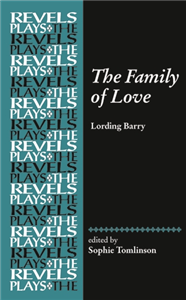
The Family of Love charts a successful love intrigue between the cash-strapped Gerardine, and Maria, the sequestered niece of the mercenary Doctor Glister. Their romance unfolds against the dissection of two citizen marriages, the Glisters' and the Purges'. Mistress Purge attends Familist meetings independently, arousing her husband's suspicions about her marital fidelity. Two libertines, Lipsalve and Gudgeon, go in search of sex and solubility (freedom from constipation), receiving more than they bargain for in respect of the latter. This scholarly edition of Family of Love marks the first occasion on which the comedy is attributed to Lording Barry in print. It brings together literary and historical discussion with a thorough analysis of the play's disputed authorship. Tomlinson highlights Barry's rich vein of burlesque humour in a comedy that combines magic, a trunk, and a mock-court session with vigorous colloquial language.
Trusted Partner


Minor illness or a serious disease ? Through systematic questioning, pharmacists or pharmaceutical technicians can establish the possibilities and limits of self-medication. Each monograph on the over 100 indications for self-medication includes: - A flow chart: basis for the structured consultation - A brief description: additional information about the symptoms - Recommended medications/groups of medications: the treatment options - Additional advice: individual supportive and alternative treatment options - Specific knowledge for advising particular patient groups: e.g. pregnant women, children and senior citizens New for the 7th edition: Monographs that explore the possibilities of supportive self-medication for indications such as hypertension and diabetes. Information about what to do in the case of poisoning, scabies or inflammation of the nail bed (paronychia) is also provided! The details about active substances, products and additional tips have been updated. The pocket guide has long been the standard for providing advice on self-medication – a “must-have”!
Trusted Partner
Als seine Mutter erzählt, dass sie sich im Netz in jemanden verliebt hat, der ihr Goldbarren schicken will, weiß Carlos sofort, was los ist: ein Romance Scam, eine Form des Internetbetrugs, bei denen Opfern unter falscher Identität Nähe vorgegaukelt wird, um an Geld zu kommen. Carlos kann seiner Mutter beweisen, dass alle E-Mails ihres Verehrers aus Nigeria stammen, und der Spuk ist vorbei, doch nun lassen ihn, den jungen Investigativjournalisten, die vielen Fragen nicht mehr los. Warum fällt jemand auf so was rein? Wer steckt bitte hinter dieser zeitintensiven Betrugsmasche? Carlos reist nach Lagos. Er schleust sich ein in die Welt der Love Scammer, begleitet vier von ihnen für ein Jahr. Anhand ihrer wechselhaften Schicksale versteht er die Psychologie des Romance Scams, erfährt von der Ausweglosigkeit einer ganzen Generation, von ihren absurden, verschwenderischen Ritualen, ihrer Erschöpfung und den moralischen Dilemmata. Und wie sich die Einsamkeit im Westen auf verblüffende Weise spiegelt in der Armut Nigerias. Vielschichtiges Porträt Nigerias samt seiner Megametropole Lagos, rührende Mutter-Sohn-Geschichte, erschütternder Bericht von den Frontlinien moderner Einsamkeit – Hi Honey erweitert eindrucksvoll den Blick, auf die Art unseres Alleinseins und den afrikanischen Kontinent.
Trusted Partner
Trusted Partner

Cough, hay fever or herpes are at least as troublesome during pregnancy and breast-feeding as under normal “conditions” - and yet everything is different. Physiological changes to the body in pregnancy and lactation, together with the vulnerability of the unborn baby or infant, set particular requirements when selecting the correct, safe medication. Especially in the area of self-medication, the needs of pregnant and breast-feeding women for information are great and call for competent advice! This comprehensive handbook is the key: General information about pharmacotherapy, supplementary measures, vaccinations, questions about diet and infections in pregnancy and lactation creates a broad knowledge base. The core feature of the book are the traffic light tables, with precise recommendations for medicinal products for all types of treatment. All the important indications for selfmedication in pregnancy and lactation are listed and the tables are supported by detailed explanations of the individual assessments. The sections “Advice from medical specialists” are particularly useful, with additional tips from gynaecologists and “Footnotes” with relevant information on the use of prescription- only medicines – and as the ultimate practical tool: the enclosed sales counter leaflets with all traffic light tables to enable quick reference for first-class advice!
Trusted Partner
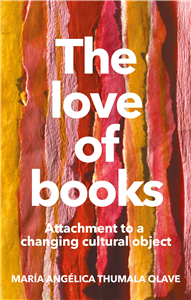
The Love of Books examines the affective bond between people and books in the UK. In the context of the unprecedented abundance of media offering information, storytelling and entertainment, it investigates the attachment to print and digital books amongst readers from a range of backgrounds who read for pleasure, wish to be surrounded by print copies of books, and have trouble discarding books. Unlike existing research, which focuses on prestige, social status, and cultural capital, this study centres on meaning, materiality and emotion. Drawing on interviews and archive material, it shows how attachment emerges from the practical fusion of three elements that have so far been examined separately: the material, surface properties of books, the act of reading, and books' symbolic power.
Trusted Partner
Critical theory and Independent Living explores intersections between contemporary critical theory and disabled people's struggle for self-determination. The book highlights the affinities between the Independent Living movement and studies of epistemic injustice, biopower, and psychopower. It discusses in depth the activists' critical engagement with welfare-state paternalism, neoliberal marketisation, and familialism. This helps develop a pioneering comparison between various welfare regimes grounded in Independent Living advocacy. The book draws on the activism of disabled people from the European Network on Independent Living (ENIL) by developing case studies of the ENIL's campaigning for deinstitutionalisation and personal assistance. It is argued that this work helps rethink independence as a form of interdependence, and that this reframing is pivotal for critical theorising in the twenty-first century.
Trusted Partner


