
Humanities & Social Sciences
January 2021


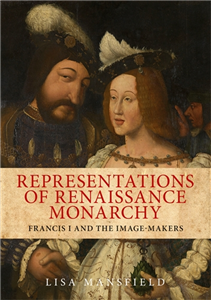
Representations of Renaissance monarchy analyses the portraits and personal imagery of Francis I, one of the most frequently portrayed rulers of sixteenth-century Europe. The distinctive likeness of the Valois king was widely disseminated and perceived by his French subjects, and Tudor and Habsburg rivals abroad. Complementing studies on the representation of Henry VIII, this book makes a dynamic contribution to scholarship on the enterprise of royal image-making in early-modern Europe. The discussion not only highlights the inventiveness of the visual arts in Renaissance France but also alludes to the enduring politics of physical appearance and seductive power of the face and body in modern visual culture. Coinciding with the five hundredth anniversary of Francis I's accession, this book will appeal to scholars and students of medieval and Renaissance art, the history of portraiture or anyone interested in images of monarchy and the history of France. ;
 Trusted Partner

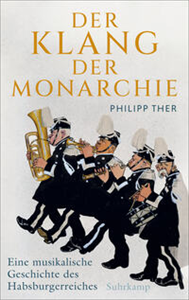
Die multinationale k.u.k. Monarchie stieg seit dem späten 18. Jahrhundert im Konzert der Großmächte unaufhaltsam ab und stand intern vor tiefen Zerreißproben. Doch die Habsburger rappelten sich immer wieder auf, überstanden Napoleon, einen Staatsbankrott, die Revolution von 1848 sowie die Niederlagen gegen Italien und Preußen. Haydn, Mozart und Beethoven hielten das weite Reich ebenso zusammen wie seine Walzerkönige, Operettenfürsten und Militärkapellmeister. Der »Habsburg-Pop« erreichte die Massen und wurde zu einem globalen Exportartikel. Das Habsburgerreich hummte und summte, sang und tanzte, wirbelte und trommelte und ging erst unter, als seine musikalischen Mittel im Großen Krieg versagten. Musik ist ein Motor der Geschichte, und Philipp Ther nutzt sie als historische Quelle. Der »sozialhistorische Prosakünstler« (Gustav Seibt) blickt auf das enge Verhältnis von Macht und Musik und zeigt, wie Walzer, Polka und die Vorläufer des Austro-Pop den Staat zusammenhielten. Die Habsburgermonarchie, so Ther in seinem beschwingten, berührenden und am Ende tragischen Buch, mag 1918 untergegangen sein, doch das Reich der Musik lebt weiter. Kooperation mit der Musik-Streaming-Plattform Idagio: Per QR-Code drei Monate kostenloser Zugriff auf die behandelten Musikbeispiele, inklusive erstmals eingespielter Stücke.
Trusted Partner

Mary I, eldest daughter of Henry VIII, was Queen of England from 1553 until her death in 1558. For much of this time she ruled alongside her husband, King Philip II of Spain, forming a co-monarchy that put England at the heart of early modern Europe. In this book, Alexander Samson presents a bold reassessment of Mary and Philip's reign, rescuing them from the neglect they have suffered at the hands of generations of historians. The co-monarchy of Mary I and Philip II put England at the heart of early modern Europe. This positive reassessment of their joint reign counters a series of parochial, misogynist and anti-Catholic assumptions, correcting the many myths that have grown up around the marriage and explaining the reasons for its persistent marginalisation in the historiography of sixteenth-century England. Using new archival discoveries and original sources, the book argues for Mary as a great Catholic queen, while fleshing out Philip's important contributions as king of England.
Trusted Partner
 Trusted Partner
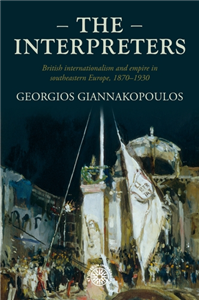
The book offers a new interpretation of the cultural and intellectual exchanges between Britain and southeastern Europe in an age of imperial transformation. It considers systematically the question of the management of ethnic difference in multinational imperial states as diverse as Britain, Austria-Hungary and the Ottoman Empire. It traces the regional experiences and impact of British scholars and public intellectuals steering through competing nationalisms and translating regional national questions to British and international audiences. The emphasis on past attempts to reconcile liberal democracy and nationalism with imperial rule continues to resonate in our day as intellectuals confront the challenges presented the rise of ethno-nationalist politics and shifting place of Britain in Europe.
Trusted Partner
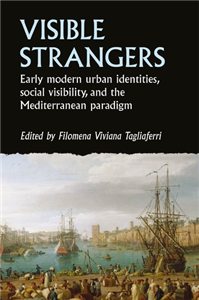
Visible strangers is a collection of essays on the nature of cultural pluralism in the Mediterranean and the different ways in which this was managed in various cities during the early modern period. The book's nine chapters considers new case studies, where authors offer a diachronic view of the nature of the co-presence of minorities in different urban spaces, investigated through the lens of the fascinating relationship between visibility and identity. The considered case studies cover different areas of the Mediterranean space: the Adriatic, the Ottoman empire between Asia and Africa, the Italian and Iberian peninsulas, the island of Malta, at the centre of the Mare Nostrum and host to many of its influences. The analysis of the way cultural pluralism expressed itself wishes to overcome the bias induced by 'Mediterraneanism', that has led to the Mediterranean as an area of study hardening into a conceptual category.
Trusted Partner
 Trusted Partner

 Trusted Partner
Trusted Partner
Trusted Partner

Ein dramatisches Zeitalter auf wenigen Seiten zu besichtigen, dazu bedarf es der minimalistischen Kunst eines großen Autors. Taras Prochasko verwandelt ein Familienepos, das Hunderte Geschichten birgt, in lauter erzählerische Extrakte, die eine versunkene Welt und ihre Bewohner heraufbeschwören und zum Gegenstand der Meditiation machen. Diese Welt heißt Stanislau und liegt im Karpatenvorland, einem Winkel des Habsburger Reichs. Nach zwei Weltkriegen ist dort nichts mehr wie zuvor. Nur der Enkel Taras wohnt noch immer im Haus seines tschechischen Großvaters an der Hauptstraße. Nicht nur ihre verworrenen Lebensläufe ruft er auf, sondern auch die vielen Dinge, die es einmal gab: »Manchmal, wenn ich nichts mache und nichts sage, scheint es mir, daß genau dies das allerrealste Ich ist. Eine Sammlung chaotischer, unnützer Dinge.«
Trusted Partner

Zwei Menschen sind in ihrer zugenagelten Wohnung verhungert: ineinander verschlungen liegen sie in einem mit Blumen vollgestopften Zimmer. Draußen tritt die Theiß über die Ufer, reißt die Behausungen der geflohenen Juden, Armenier und Serben mit sich fort und zerstört in einer Jahrhundertflut Szeged, die Stadt im Südosten des Habsburger Reichs. Bei den Toten handelt es sich um Klara Pelsőczy, eine leidenschaftliche, ungefügige Frau, die drei Männer liebt und „mit dem Fußabdruck eines Engels auf der Hand“ zur Welt kam; und um den Naturhistoriker Imre Schön, der nach der niedergeschlagenen Revolution von 1848 sieben Jahre im Gefängnis saß: ein Vortrag über Blumenfresser wurde ihm zum Verhängnis. In apokalyptischen und phantastischen Szenarien erzählt László Darvasi von Liebe und Gewalt in Mitteleuropa. Sein von surrealen Episoden durchsetzter Roman, im Jahrhundert der Freiheitsbewegungen angesiedelt, kennt neben der menschlichen und kreatürlichen Welt eine zarte und gefahrvolle Sphäre des Traums und des hellsichtigen Irrsinns, die man nach dem Verzehr von Blumen betritt.
Trusted Partner

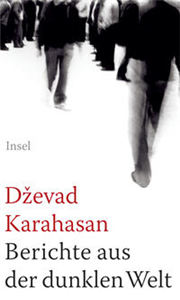
Zwanzig Minuten Fußweg sind es von der Lateinerbrücke, an der mit dem Attentat auf das Habsburger Thronfolgerpaar das »kurze 20. Jahrhundert« begann, bis zur Vrbanjabrücke, an der es 1992 mit der Ermordung zweier Studentinnen endete. Nüchtern und unspekulativ hellt Dževad Karahasan die Dunkelheit auf, die über diesem Weg und den Menschen liegt, die ihn gegangen sind. Karahasan folgt den Spuren, die das 20. Jahrhundert in seiner Heimatstadt Sarajevo und in Bosnien hinterlassen hat. Anatomie der Traurigkeit handelt von dem Sohn eines italienischen Partisanen und einer jugoslawischen Kommunistin, der im Exil sein Leben rekapituliert. In Prinzip Gabriel führen Recherchen den Erzähler nach Theresienstadt. Er entdeckt, daß dort auch Gavrilo Princip, der Attentäter von Sarajevo, inhaftiert war. Die Briefe aus dem Jahre 1993 berichten von einem Studenten, der seinen Dozenten mit den Briefen eines in Sarajevo Umgekommenen konfrontiert. Immer wieder verknüpft dieser Berichterstatter aus einer dunklen Welt scheinbar unzusammenhängende Ereignisse. In einer Prosa, die Authentisches und Fiktives geschickt ineinander verwebt, wird so die »spiralförmige Struktur der Zeit« sichtbar.
Trusted Partner
 Trusted Partner


There are many things in life that we are (more or less) free to choose: our circle of friends, our workplace, our place of residence. However, we have to take some communities as they come: We cannot choose our family or our neighbours, for example. Why this does not only lead to the much-vaunted idyllic sense of belonging and what tensions forced social relationships can cause: This is the subject of this fascinating collection of essays by Bernd Imgrund. It sheds light on a piece of social history that we all know from our own experience: who hasn't had an argument with their immediate neighbour or made fun of the residents of the neighbouring district? But it is by no means only negative aspects that characterise neighbourly relations. Pride in one's neighbourhood, help within a village community: the many advantages of a social community, its importance and its representation in art and literature have also found their way into this book.



