
Books from Ukraine
The Ukrainian Book Institute is a government entity, part of the Ministry of Culture and Information Policy of Ukraine.
View Rights Portal
The Ukrainian Book Institute is a government entity, part of the Ministry of Culture and Information Policy of Ukraine.
View Rights Portal Trusted Partner

 Trusted Partner
Trusted Partner
Trusted Partner


— Comprehensive and detailled analysis of the Euromaidan and the ongoing war in Ukraine — Brussels versus Moscow, Russian aggression and geopolitical interests — China's role in a new East-West conflict The years between 2013 and 2019 were almost as significant for Ukraine as the attainment of independence in 1991, as this very independence was in danger of being lost again after the Euromaidan. The nationwide popular uprising against the regime of President Yanukovych had led to a change of power: the former parliamentary opposition formed a new government, resulting in a loss of influence for Russia. Russian agents therefore tried to bring about a "Crimea scenario", another secession in the eastern and southern parts of Ukraine. The resulting "Ukraine conflict", often called a civil war, is in fact a Russian war of attrition against Ukraine. President Putin intends to resolve it on his terms in the Minsk process: through a de facto "autonomous" part of the Donbass in the Ukrainian state, independent of Kiev, as a lever for Russian political influence. Winfried Schneider- Deters, a renowned expert on Ukraine, analyses narratively and in detail the events from 2013 to 2019 and places the Russian- Ukrainian conflict in the context of the dawning "Chinese century".
Trusted Partner


Worker protests in post-communist Romania and Ukraine is a book about strategies of trade unions confronting employers in difficult conditions. The book's main idea is to study why and how successful forms of workers' interest representation could emerge in a hostile context. The post-communist context makes it difficult for workers and trade unions to mobilise, pose threats to employers, and break out of their political isolation, but even under such harsh conditions strategy matters for defending workers' rights and living standards. The cases studied in this book are 18 conflict episodes at 10 privatised plants in the Romanian steel industry and Ukraine's civil machine-building sector in the 2000s. This book should be relevant for anyone taking interest in how and to what extent workers can reassert their influence over the conditions of production in regions and economic sectors characterised by disinvestment (of which outsourcing and 'lean' methods of production are instances).
Trusted Partner

This volume questions and qualifies commonly accepted assumptions about the early modern English sonnet: that it was a strictly codified form, most often organised in sequences, which only emerged at the very end of the sixteenth century and declined as fast as it had bloomed, and that minor poets merely participated in the sonnet fashion by replicating established conventions. Drawing from book history and relying on close reading and textual criticism, this collection offers a more nuanced account of the history of the sonnet. It discusses how sonnets were written, published and received in England as compared to mainland Europe, and explores the works of major (Shakespeare, Sidney, Spenser) and minor (Barnes, Harvey) poets alike. Reflecting on current editorial practices, it also provides the first modern edition of an early seventeenth-century Elizabethan miscellany including sonnets presumably by Sidney and Spenser.
Trusted Partner

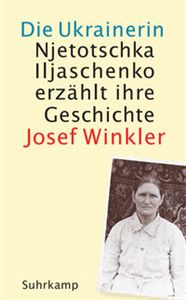
Nach einem längeren Aufenthalt in Wien zog sich Josef Winkler im Jahre 1981 auf einen Bauernhof in Kärnten zurück, um seinen Roman Muttersprache zu beenden. Dort fand er Quartier bei der Familie der Bergbäuerin Njetotschka Wassiljewna Iljaschenko, einer im März 1943 von Hitlers Schergen verschleppten Ukrainerin ‒ die ihm über ein Jahr lang ihre Lebensgeschichte erzählte. Die Bäuerin berichtet dem Autor vom Leben ihrer verzweifelt um die Existenz der Familie ringenden Mutter am Ufer des Dnjepr und von ihrer eigenen Kindheit während der Zeit der Kollektivierung und Hungersnot (Holodomor) im Dorf Dobenka, das später vom Stausee von Krementschug überflutet wurde. Sie erzählt von ihrer gewaltsamen Verschleppung aus der Ukraine zur Zwangsarbeit nach Kärnten, und sie berichtet von ihrem ersten Jahr auf dem Kärntner Bergbauernhof. Der Band erscheint mit einem Nachwort von Josef Winklers französischem Übersetzer Bernard Banoun sowie erstmals mit Briefen, die Hapka Davidowna Iljaschenko aus der Ukraine an ihre Tochter Njetotschka in Kärnten schrieb.
Trusted Partner
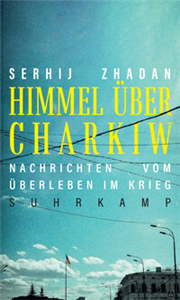
Für ein Tagebuch fehlt ihm die Zeit. Serhij Zhadan ist Tag und Nacht im beschossenen Charkiw (Ost-Ukraine) unterwegs – er evakuiert Kinder und alte Leute aus den Vororten, verteilt Lebensmittel, koordiniert Lieferungen an das Militär und gibt Konzerte. Die Posts in den sozialen Netzwerken dokumentieren seine Wege durch die Stadt und sprechen den Charkiwern Mut zu, unermüdlich, Tag für Tag. Die Stadt leert sich. Freunde kommen um. Der Tod ist allgegenwärtig, der Hass wächst. Als die Bilder von Butscha um die Welt gehen, versagt auch Zhadan die Stimme. »Es gibt keine Worte. Einfach keine. Haltet durch, Freunde. Jetzt gibt es nur noch Widerstand, Kampf und gegenseitige Unterstützung.« Nachrichten vom Überleben im Krieg: Das Buch ist eine Chronik der laufenden Ereignisse aus der Ukraine, das Zeugnis eines Menschen in der Ukraine, der während des Schreibens in eine neue Realität eintritt und sich der Vernichtung von allem entgegenstemmt. Kein einsamer Beobachter, sondern ein aktiver Zivilist in einer Gesellschaft, die in den letzten acht Jahren gelernt hat, was es bedeutet, gemeinsam stark zu sein. 2022 wird Serhij Zhadan zum Träger des Friedenspreises des Deutschen Buchhandels gewählt. In der Begründung heißt es: »Wir ehren den ukrainischen Schriftsteller und Musiker für sein herausragendes künstlerisches Werk sowie für seine humanitäre Haltung, mit der er sich den Menschen im Krieg zuwendet und ihnen unter Einsatz seines Lebens hilft. In seinen Romanen, Essays, Gedichten und Songtexten führt uns Serhij Zhadan in eine Welt, die große Umbrüche erfahren hat und zugleich von der Tradition lebt. Seine Texte erzählen, wie Krieg und Zerstörung in diese Welt einziehen und die Menschen erschüttern. Dabei findet der Schriftsteller eine eigene Sprache, die uns eindringlich und differenziert vor Augen führt, was viele lange nicht sehen wollten. Nachdenklich und zuhörend, in poetischem und radikalem Ton erkundet Serhij Zhadan, wie die Menschen in der Ukraine trotz aller Gewalt versuchen, ein unabhängiges, von Frieden und Freiheit bestimmtes Leben zu führen.«
Trusted Partner
 Trusted Partner
Feuerpause ist Serhij Zhadans erstes originäres Theaterstück, das ins Deutsche übersetzt wurde. Das Stück spielt im Sommer 2014 im Donbass, wo die Ukraine von bewaffneten Truppen attackiert wird. Zhadan hat bereits in seinen Romanen, die vielfach für die Bühne adaptiert wurden (Internat, Die Erfindung des Jazz im Donbass), diese Anfangsphase des russischen Kriegs gegen die Ukraine eindrücklich zum Thema gemacht. Mit großer Lakonie und Situationskomik erschafft Zhadan eine atmosphärisch dichte Situation, in der seine Figuren einander nicht mehr ausweichen können. Sie werden zu einer von Feindseligkeiten durchsetzten Schicksalsgemeinschaft. Der Tod bringt alle zusammen: Die verstorbene Mutter liegt oben im Schlafzimmer, in der Küche treffen die beiden Brüder nach langer Zeit wieder aufeinander. Anton, der Ältere, hat das Weite gesucht. Der Jüngere, Tolik, ist geblieben, dem schwelenden Krieg und den zunehmend prekären Verhältnissen zum Trotz. Doch nun wurde die Brücke gesprengt, das Postamt zerstört, die Felder in Brand gesteckt, die Wasserversorgung gekappt. Die Hitze nimmt zu. Es klopft an der Tür, herein tritt Tante Schura, in Begleitung zweier Frauen, zum Aufräumen und zur Totenwaschung. Immer wieder klopft es, immer mehr Leute aus der Ortschaft treten ein, das Haus der Toten füllt sich mit Leben, es wird zu einer Zuflucht und Falle zugleich. Sie alle misstrauen einander, haben sich gegenseitig ausspioniert und verraten. Wie spricht man miteinander, wenn auch die Sprache kaputt und die Fähigkeit, einander zu verstehen, in der Vorkriegszeit verschollen ist?
Trusted Partner
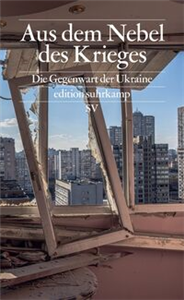
Seit dem Angriff Russlands auf die Ukraine sind Tausende Menschen umgekommen, Hunderttausende haben Terror und Zerstörung erlitten, Millionen Bürger sind geflohen. Dennoch: unterstützt vom Westen, halten Staat und Gesellschaft stand. Aus dem Nebel des Krieges entsteht eine neue, ungewisse Zukunft. Die Autorinnen und Autoren des Bandes – Schriftsteller, Wissenschaftlerinnen und Aktivisten, Künstlerinnen und Journalisten – halten die Gleichzeitigkeit fest: die Ruinierung des Lebens und seiner Orte; die zivile und militärische Selbstbehauptung; den Willen, eine neue, friedliche Heimat zu schaffen. Sie beschreiben und analysieren die Situation der traumatisierten Menschen im Krieg – ihre tiefgreifende Veränderung, ihre Fähigkeit, sich in sehr unklaren Zeiten dennoch wiederzufinden.
Trusted Partner
This book shows that Max Horkheimer's program of critical theory and his research throughout his career as a university professor and thinker are rooted in the cogency of philosophical questions and an in-depth knowledge of the historical development of philosophical problems in their close correlation with the socio-economic framework which shaped the 'bourgeois society' and the Modern Era. Indeed, his analyses of modern philosophers allows us to understand how the bourgeoisie seeks legitimisation and consolidation of its position, partly through the voices of its thinkers. In this way, in his investigation of early modern philosophy problems, and through constant dialogue with his colleagues Adorno, Marcuse, Pollock and Fromm, Horkheimer expresses a profound awareness of the critical force inherent in thought which, admittedly, is ever vulnerable to crisis and weakening, but which can always be reactivated.
Trusted Partner


"What can you learn in war? Do you become numb, do you get used to it at some point? Does war make you "hard", uncaring, above pain? No. These are just clichés. Every day brings new horrors. At best, one learns for some time to suppress strong feelings, because to give in to them would weaken one's life instinct." In a very stirring and shocking, but sometimes humorous language, Christoph Brumme tells of the situation in Ukraine, the everyday life of his family and friends, of fears, longings and political assessments. The diary entries of the war and the resistance of the Ukrainians, starting from the first signs of the impending war in mid-January 2022 until the printing of this book, 1st May 2022, impressively bear witness to the brutality of these events.
Trusted Partner
 Trusted Partner
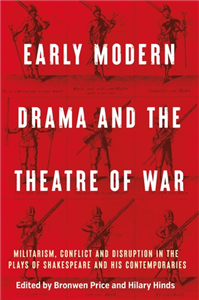
This volume explores the disruptive effects of militarism, war and social unrest in early modern drama. Engaging with Simon Barker's seminal work on dramatic representations of war and militarism, contributors highlight what often lies hidden beneath the surface of martial narratives, treating them as formative interventions in contemporary discourses, whether in justifying war, excluding dissident voices or shaping cultural identities. Discussions include new examinations of militarism, the figure of the soldier and early modern theories of war in Shakespearean tragedy, history and comedy, alongside antimasque and dramatic satire by lesser-known playwrights. The essays investigate how ideas of war underpin emerging concepts of gender, leadership, marriage and the family, as well as the continuing mobilisation of Shakespearean drama in the context of modern armed conflict. Together, they offer rich new contributions to the current lively critical debates on this topic.
Trusted Partner
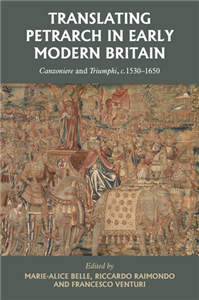
Translating Petrarch in early modern Britain gathers twelve essays by international scholars focusing on the translation of Petrarch's vernacular verse (Canzoniere and Triumphi) into English, from the Tudor age to the mid-seventeenth century (and beyond). Approaching translation as an interpretive process, but also a mode of literary emulation and cultural engagement with Petrarch's prestigious precedent, the collection explores the complex and interconnected trajectories of both poetic works in English and Scottish literary milieux. While situating each translation in its distinct historical, material, and literary context, the essays trace the reception of Petrarch's works in early modern Britain through the combined processes of linguistic and metric innovation, literary imitation, musical adaptation and cultural and material 'domestication'. The collection sheds light on the origins and development of early modern English Petrarchism as part of wider transnational - and indeed, translational-European literary culture.
Trusted Partner
Death in modern theatre offers a unique account of modern Western theatre, focusing on the ways in which dramatists and theatre-makers have explored historically informed ideas about death and dying in their work. It investigates the opportunities theatre affords to reflect on the end of life in a compelling and socially meaningful fashion. In a series of interrelated, mostly chronological, micronarratives beginning in the late nineteenth century and ending in the early twenty-first century, this book considers how and why death and dying are represented at certain historical moments using dramaturgy and aesthetics that challenge audiences' conceptions, sensibilities, and sense-making faculties. It includes a mix of well-known and lesser-known plays from an international range of dramatists and theatre-makers, and offers original interpretations through close reading and performance analysis.
Trusted Partner
Massacres in Early Modern Drama analyses the dynamically ambivalent meanings constructed by the language and action of massacre on the early modern stage. Informed by theories drawn from massacre studies, the monograph challenges orthodoxies about senseless violence, illuminates archaic forms of massacres, and attests to their brutally diverse stage representations. Anchored by the contention that the St Bartholomew's Day Massacre in Paris (1572) was instrumental to early modern understandings of massacre, the book uses this atrocity, and its most famous dramatic depiction - Christopher Marlowe's The Massacre at Paris - as a hook to explore larger concerns about massacre in plays by Robert Greene, George Chapman, John Fletcher, and William Shakespeare. Thus, Massacres in Early Modern Drama considers how early modern drama forms part of a continual cultural process of trying to piece together the contentious and traumatic phenomenon of massacre.
Trusted Partner

Vladimir Putin has been ruling Russia for 25 years. There is no end in sight to his dictatorship. He relies on repression at home and is waging a war of destruction against a neighbouring country. The conflict with the West has long become a systemic conflict between an illiberal-autocratic ideology and liberal-democratic principles. Nothing will change as long as Putin remains in power. Nevertheless, as far as can be ascertained under unfree conditions, the majority of the population seems to be supporting Putin. Does this mean that too many people in Russia do not want democracy or peace? Will everything remain the same after Putin? Or is there a chance that Russia will eventually take a different, more democratic path? Whatever the outcome of the war in Ukraine, Russia is not going to disappear. We will still have to deal with our big neighbour in the east. This makes it all the more important to focus on longer-term developments. As a recognised expert on Russian history and society, the author outlines what the post-Putin era might look like. His in-depth analysis makes it clear that Russia is partly Putin, but Putin is not everything about Russia.



