
NeWest Press
Livres Canada Books
View Rights Portal


This book examines the distinctive aspects that insiders and outsiders perceived as characteristic of Irish and Scottish ethnic identities in New Zealand. When, how, and why did Irish and Scots identify themselves and others in ethnic terms? What characteristics did the Irish and the Scots attribute to themselves and what traits did others assign to them? Did these traits change over time and if so how? Contemporary interest surrounding issues of ethnic identities is vibrant. In countries such as New Zealand, descendants of European settlers are seeking their ethnic origins, spurred on in part by factors such as an ongoing interest in indigenous genealogies, the burgeoning appeal of family history societies, and the booming financial benefits of marketing ethnicities abroad. This fascinating book will appeal to scholars and students of the history of empire and the construction of identity in settler communities, as well as those interested in the history of New Zealand.

This edited collection investigates New Zealand's history as an imperial power, and its evolving place within the British Empire. It revises and expands the history of empire within, to and from New Zealand by looking at the country's spheres of internal imperialism, its relationship with Australia, its Pacific empire and its outreach to Antarctica. The book critically revises our understanding of the range of ways that New Zealand has played a role as an imperial power, including the cultural histories of New Zealand inside the British Empire, engagements with imperial practices and notions of imperialism, the special significance of New Zealand in the Pacific region, and the circulation of ideas of empire both through and inside New Zealand over time. The essays in this volume span social, cultural, political and economic history, and in testing the concept of New Zealand's empire, the contributors take new directions in both historiographical and empirical research.
 Trusted Partner
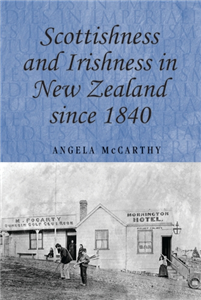
This book examines the distinctive aspects that insiders and outsiders perceived as characteristic of Irish and Scottish ethnic identities in New Zealand. When, how, and why did Irish and Scots identify themselves and others in ethnic terms? What characteristics did the Irish and the Scots attribute to themselves and what traits did others assign to them? Did these traits change over time and if so how? Contemporary interest surrounding issues of ethnic identities is vibrant. In countries such as New Zealand, descendants of European settlers are seeking their ethnic origins, spurred on in part by factors such as an ongoing interest in indigenous genealogies, the burgeoning appeal of family history societies, and the booming financial benefits of marketing ethnicities abroad. This fascinating book will appeal to scholars and students of the history of empire and the construction of identity in settler communities, as well as those interested in the history of New Zealand. ;
Trusted Partner
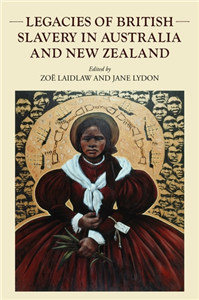
This book investigates the legacies of British slavery beyond Britain, focusing upon the colonisation of Australia and New Zealand, and explores why this history has been overlooked. After August 1833, when the British Parliament abolished slavery in the British Caribbean, Mauritius and the Cape, the former slave-owners were paid compensation for the loss of their 'property'. New research has begun to show that many beneficiaries had ties to other parts of the British Empire, including the settler colonies of Australia, New Zealand, Canada and South Africa. Through a range of case studies, contributors to this collection trace the movement of people, goods, capital, and practices from the Caribbean to the new Australasian settler colonies. Chapters consider a range of places, people and themes to reveal the varied ways that slavery continued to shape imperial relationships, economic networks, and racial labour regimes after 1833.
Trusted Partner
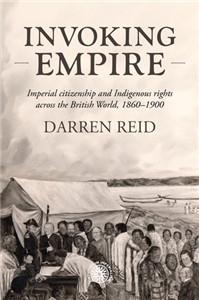
Invoking Empire examines the histories of Canada, South Africa, Australia, and New Zealand during the transitional decades between 1860-1900, when each gained some degree of self-government yet still remained within the sovereignty of the British Empire. It applies the conceptual framework of imperial citizenship to nine case studies of settlers and Indigenous peoples who lived through these decades to make two main arguments. It argues that colonial subjects adapted imperial citizenship to both support and challenge settler sovereignty, revealing the continuing importance of imperial authority in self-governing settler spaces. It also posits that imperial citizenship was rendered inoperable by a combination of factors in both Britian and the colonies, highlighting the contingency of settler colonialism on imperial governmental structures and challenging teleological assumptions that the rise of settler nation states was an inevitable result of settler self-government.
Trusted Partner

Rethinking settler colonialism focuses on the long history of contact between indigenous peoples and the white colonial communities who settled in Australia, Aotearoa New Zealand, Canada and South Africa. It interrogates how histories of colonial settlement have been mythologised, narrated and embodied in public culture in the twentieth century (through monuments, exhibitions and images) and charts some of the vociferous challenges to such histories that have emerged over recent years. Despite a shared familiarity with cultural and political institutions, practices and policies amongst the white settler communities, the distinctiveness which marked these constituencies as variously, 'Australian', 'South African', 'Canadian' or 'New Zealander', was fundamentally contingent upon their relationship to and with the various indigenous communities they encountered. In each of these countries these communities were displaced, marginalised and sometimes subjected to attempted genocide through the colonial process. Recently these groups have renewed their claims for greater political representation and autonomy. The essays and artwork in this book insist that an understanding of the political and cultural institutions and practices which shaped settler-colonial societies in the past can provide important insights into how this legacy of unequal rights can be contested in the present. It will be of interest to those studying the effects of colonial powers on indigenous populations, and the legacies of imperial rule in postcolonial societies.
Trusted Partner
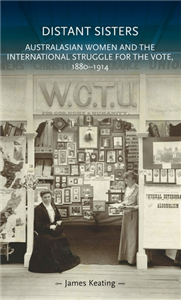
In the 1890s Australian and New Zealand women became the first in the world to win the vote. Buoyed by their victories, they promised to lead a global struggle for the expansion of women's electoral rights. Charting the common trajectory of the colonial suffrage campaigns, Distant Sisters uncovers the personal and material networks that transformed feminist organising. Considering intimate and institutional connections, well-connected elites and ordinary women, this book argues developments in Auckland, Sydney, and Adelaide-long considered the peripheries of the feminist world-cannot be separated from its glamourous metropoles. Focusing on Antipodean women, simultaneously insiders and outsiders in the emerging international women's movement, and documenting the failures of their expansive vision alongside its successes, this book reveals a more contingent history of international organising and challenges celebratory accounts of fin-de-siècle global connection.
Trusted Partner

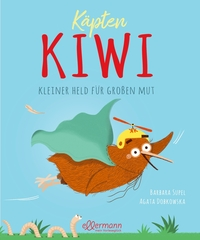
Mit Cape und Propeller-Helm: Käpten Kiwi, der kleine Angstbezwinger Angst vor der Dunkelheit, Monstern oder Fahrradfahren: Der kleine Kiwi weiß genau, wie es ist, wenn Sorgen die Stimmung verdüstern. Eines Tages hat er genug davon, Trübsal zu blasen, und beschließt, stattdessen ein Held zu werden! Mit Cape und Propellerhelm macht sich Kapitän Kiwi auf den Weg, anderen Tieren zu helfen: dem Strauß, der Angst im Dunkeln hat, dem Pfau, der die Schattenmonster fürchtet, dem Flamingo, der sich vor dem Gewitter versteckt. Das klappt auch ganz wunderbar – bis er wieder mit seinen eigenen Ängsten konfrontiert wird. Aber: Freundschaft ist das beste Sicherheitsnetz (nicht nur) für ängstliche Vögel. Neuer, ungewöhnlicher Protagonist: ein kleiner Piepmatz im Superhelden-Look Schöne Reime und niedliche Tiere von Kiwi über Pinguin bis Flamingo Ein Mutmach-Bilderbuch für Kinder ab 4 Jahren Wichtige Themen: Kinderangst, Anderssein und Mut finden
Trusted Partner


Max will raus aus dem öden Kaff Bittie Cross und seinen Vater finden, der seit Jahren verschwunden ist. Zusammen mit der seltsamen Emma gerät er auf der Suche in eine unglaubliche Welt: Seeland! Hier gibt es Städte auf Stegen und Häuser wie Eisberge, kauzige Pilzsammler, Unterwasserpiraten, freundliche Riesenquallen und echte Meerjungfrauen. Und ausgerechnet in Seeland entdeckt Max eine Spur seines Vaters. Wie kann das sein? Zusammen mit Emma taucht Max ab in das größte Abenteuer seines Lebens.
Trusted Partner
Trusted Partner
Trusted Partner
Trusted Partner
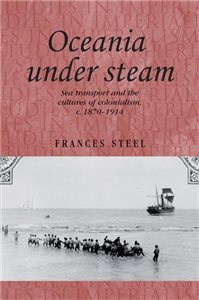
The age of steam was the age of Britain's global maritime dominance, the age of enormous ocean liners and human mastery over the seas. The world seemed to shrink as timetabled shipping mapped out faster, more efficient and more reliable transoceanic networks. But what did this transport revolution look like at the other end of the line, at the edge of empire in the South Pacific? Through the historical example of the largest and most important regional maritime enterprise - the Union Steam Ship Company of New Zealand - Frances Steel eloquently charts the diverse and often conflicting interests, itineraries and experiences of commercial and political elites, common seamen and stewardesses, and Islander dock workers and passengers. Drawing on a variety of sources, including shipping company archives, imperial conference proceedings, diaries, newspapers and photographs, this book will appeal to cultural historians and geographers of British imperialism, scholars of transport and mobility studies, and historians of New Zealand and the Pacific. ;
Trusted Partner
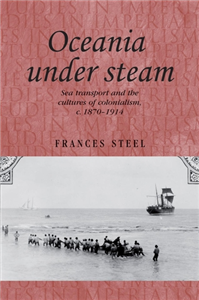
The age of steam was the age of Britain's global maritime dominance, the age of enormous ocean liners and human mastery over the seas. The world seemed to shrink as timetabled shipping mapped out faster, more efficient and more reliable transoceanic networks. But what did this transport revolution look like at the other end of the line, at the edge of empire in the South Pacific? Through the historical example of the largest and most important regional maritime enterprise - the Union Steam Ship Company of New Zealand - Frances Steel eloquently charts the diverse and often conflicting interests, itineraries and experiences of commercial and political elites, common seamen and stewardesses, and Islander dock workers and passengers. Drawing on a variety of sources, including shipping company archives, imperial conference proceedings, diaries, newspapers and photographs, this book will appeal to cultural historians and geographers of British imperialism, scholars of transport and mobility studies, and historians of New Zealand and the Pacific.
Trusted Partner

The age of steam was the age of Britain's global maritime dominance, the age of enormous ocean liners and human mastery over the seas. The world seemed to shrink as timetabled shipping mapped out faster, more efficient and more reliable transoceanic networks. But what did this transport revolution look like at the other end of the line, at the edge of empire in the South Pacific? Through the historical example of the largest and most important regional maritime enterprise - the Union Steam Ship Company of New Zealand - Frances Steel eloquently charts the diverse and often conflicting interests, itineraries and experiences of commercial and political elites, common seamen and stewardesses, and Islander dock workers and passengers. Drawing on a variety of sources, including shipping company archives, imperial conference proceedings, diaries, newspapers and photographs, this book will appeal to cultural historians and geographers of British imperialism, scholars of transport and mobility studies, and historians of New Zealand and the Pacific.
Trusted Partner
 Trusted Partner
Trusted Partner
Trusted Partner


Der schüchterne Bestatter Callum muss heiraten, um das Familienunternehmen zu erben – doch Dates sind ihm ein Graus. Lark, eine lebensfrohe Animationsdesignerin aus Texas, sucht in Irland einen Neuanfang. Zwischen dunklem Humor, tiefen Gefühlen und knisternder Spannung entwickelt sich eine unwiderstehliche Friends-to-Lovers-Romance. Grumpy meets Sunshine – Wenn Gegensätze sich anziehen Slow Burn – Eine Liebe, die Zeit braucht, um zu wachsen Neuanfang & Selbstfindung – Emotionale Tiefe mit neurodivergenten Charakteren »Morbidly Yours« von Ivy Fairbanks ist das perfekte Buch für Fans von tiefgründigen, humorvollen und herzerwärmenden Liebesgeschichten. Lass dich von diesem TikTok-Sensation-Roman verzaubern!
Trusted Partner
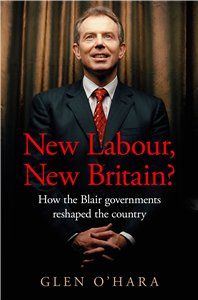
A bold and balanced re-appraisal of New Labour in power. Rewriting the story of New Labour, Glen O'Hara challenges the prevailing narrative to present a more balanced and positive assessment. New Labour, new Britain is the first book to examine both the intentions behind New Labour's domestic policies and their real-world effects, moving beyond the entrenched left-right debates that have dominated the party's legacy. The period from 1997 to 2007 marked a pivotal moment in modern British history, as New Labour sought to reshape Britain into a more cohesive and forward-thinking society. It saw the rise of socially liberal attitudes and flourishing public services under a government committed to rebuilding and investing in them. Yet New Labour's track record was far from flawless and its legacy remains complicated and contested. Through interviews with key players and rigorous archival research, O'Hara offers a new perspective on Tony Blair's years in power. Painting a fuller picture of New Labour's successes and challenges, he highlights its lasting impact on Britain and offers a thoughtful reassessment of its place in history.
Trusted Partner
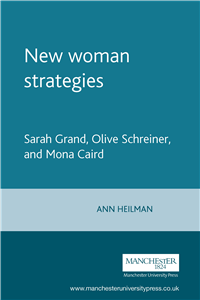
Recent years have seen a rennaissance of scholarly interest in the fin-de-siecle fiction of the New Woman. New Woman Strategies offers a new approach to the subject by focusing on the discursive strategies and revisionist aesthetics of the genre in the writings of three of its key exponents: Sarah Grand, Olive Schreiner and Mona Caird. ;



