
House of Anansi Press
Livres Canada Books
View Rights Portal


The Toronto New Wave (TNW) comprises a group of avant-garde filmmakers working in Canada from the 1980s and into the new millennium whose innovative film works share significant affinities with anarchist themes and aesthetics. Several of the TNW filmmakers openly identify as anarchists and/or acknowledge a debt to anarchism in their production of highly apocalyptic narratives as part of their cinematic political projects. However, recognition of anarchism's progressive apocalyptic theoretical relevance has yet to be substantially taken up by scholarship in cinema analysis. This analysis introduces an anarchist-inflected analytical methodology to understand the apocalyptic-revelatory political work these films attempt to accomplish in the perceptual space between the filmic texts and both their auteurs and potential viewers, and to re-locate the TNW within cinema history as an ongoing phenomenon with new significance in an apocalyptic era of digital distribution.
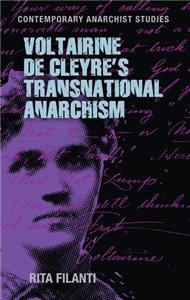
Despite a growing interest in her life and work, Voltairine de Cleyre's contribution to anarchist studies, women studies, and American literature is still mostly unacknowledged. Described by Emma Goldman as 'the most gifted and brilliant anarchist woman America ever produced', de Cleyre authored poems, prose sketches, lectures and translations which radiate with her vision of the world, meticulous use of language, and iconoclastic vigor. Drawing on her copious correspondence with family members, friends and comrades, this monograph provides novel insight into the most significant events of her life while investigating the aesthetic concern characterizing all of her writing. Constantly shifting across languages, she established cosmopolitan networks within immigrant communities at home and beyond the ocean, always believing, until her untimely death, in universal solidarity and the ultimate non-existence of national, ethnic and linguistic barriers.
 Trusted Partner
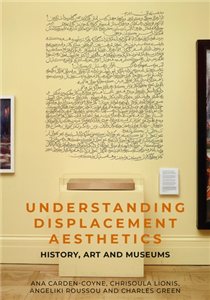
Since the Second World War and the formalisation of the international refugee regime, forced displacement has been marked by a set of aesthetic, practical, and institutional concerns. Understanding Displacement Aesthetics examines how visual culture and art practice constructs and challenges ideas about forced displacement and refugees. The novel framework for 'displacement aesthetics' moves beyond conventional understandings of aesthetics as merely representational, demonstrating the entanglement of visual culture, art practices, and forced displacement in postmigrant contexts. Bringing together the fields of cultural history, art history, and curatorial studies, Understanding Displacement Aesthetics identifies four areas for consideration: visual tropes of refugeedom; language and identity; institutional and artistic responses to displacement; and lived experiences of artists with backgrounds of displacement. Through archival research, visual culture and art, interviews, and collaborative curatorship, Understanding Displacement Aesthetics offers new insight into overcoming the limitations that contexts of displacement can present for artists, art galleries and institutions addressing refugeedom and its legacies.
Trusted Partner

Anarchism 1914-18 is the first systematic analysis of anarchist responses to the First World War. It examines the interventionist debate between Peter Kropotkin and Errico Malatesta which split the anarchist movement in 1914 and provides a historical and conceptual analysis of debates conducted in European and American movements about class, nationalism, internationalism, militarism, pacifism and cultural resistance. Contributions discuss the justness of war, non-violence and pacifism, anti-colonialism, pro-feminist perspectives on war and the potency of myths about the war and revolution for the reframing of radical politics in the 1920s and beyond. Divisions about the war and the experience of being caught on the wrong side of the Bolshevik Revolution encouraged anarchists to reaffirm their deeply-held rejection of vanguard socialism and develop new strategies that drew on a plethora of anti-war activities.
Trusted Partner
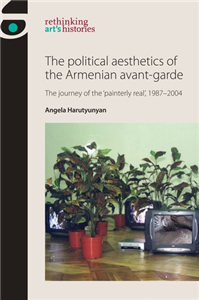
This book addresses late-Soviet and post-Soviet art in Armenia in the context of turbulent transformations from the late 1980s to 2004. It explores the emergence of 'contemporary art' in Armenia from within and in opposition to the practices, aesthetics and institutions of Socialist Realism and National Modernism. This historical study outlines the politics (liberal democracy), aesthetics (autonomous art secured by the gesture of the individual artist), and ethics (ideals of absolute freedom and radical individualism) of contemporary art in Armenia and points towards its limitations. Through the historical investigation, a theory of post-Soviet art historiography is developed, one that is based on a dialectic of rupture and continuity in relation to the Soviet past. As the first English-language study on contemporary art in Armenia, the book is of prime interest for artists, scholars, curators and critics interested in post-Soviet art and culture and in global art historiography.
Trusted Partner

The massive protests against globalisation in recent years have re-awoken interest in anarchism. Changing anarchism sets out to reposition anarchist theory and practice by documenting contemporary anarchist practice and providing a viable analytical framework for understanding it. The contributions here, from both academics and activists, raise challenging and sometimes provocative questions about the complex nature of power and resistance to it. The areas covered include: sexuality and identity; psychological dependency on technology; libertarian education; religion and spirituality; protest tactics; mental health and artistic expression; and the ongoing 'metaphorical wars' against drugs and terror. This collection epitomises the rich diversity that exists within contemporary anarchism as well as demonstrating its ongoing relevance as a sociological tool.
Trusted Partner

The massive protests against globalisation in recent years have re-awoken interest in anarchism. Changing anarchism, finally available in paperback, sets out to reposition anarchist theory and practice by documenting contemporary anarchist practice and providing a viable analytical framework for understanding it. The contributions here, from both academics and activists, raise challenging and sometimes provocative questions about the complex nature of power and resistance to it. The areas covered include: sexuality and identity; psychological dependency on technology; libertarian education; religion and spirituality; protest tactics; mental health and artistic expression; and the ongoing 'metaphorical wars' against drugs and terror. This collection epitomises the rich diversity that exists within contemporary anarchism as well as demonstrating its ongoing relevance as a sociological tool.
Trusted Partner

This edited volume reframes the Caribbean as a paradigm of ecological resilience and creativity by bringing together the voices of contemporary artists and scholars who are at the forefront of environmental activism in the region and across its diasporas. While dominant narratives percolating from the environmental sciences to the mainstream press present the Caribbean as a frontier of planetary disaster, the contributors to this volume show how the region offers radical models for overcoming the environmental challenges of the present. At the heart of this argument lies the history of the Caribbean as a centre for grassroots forms of anti-colonial and anti-capitalist resistance founded upon nature-centred cosmologies and practices. Caribbean Eco-Aesthetics shows how contemporary artists are mobilising this radical heritage in a bid to unlock alternative planetary futures.
Trusted Partner


Herbert Achternbusch: EllaDie Lebensgeschichte einer Frau namens Ella als Geschichte einer Gefangenschaft - in der Familie, im Gefängnis, in der psychiatrischen Klinik. Die Geschichte von der systematischen Vernichtung eines Menschen durch die Gesellschaft.Dario Fo: Zufälliger Tod eines AnarchistenIn Mailand war 1969 der Anarchist Pino Pinelli aus einem Fenster im 4. Stock des Mailänder Polizeipräsidiums ›gestürzt‹. Die behördenoffizielle Version der Todesursache lautete auf Selbstmord. Eine Untersuchung der tatsächlichen Vorgänge kam erst nach der Uraufführung von Fos Stück im Jahre 1970 in Gang, einer volkstümlichen Groteske, die sich der gesammelten Widersprüche der polizeiamtlichen Erklärungen bediente, um die allgemeinen Zweifel an der Selbstmordversion zu artikulieren.Barrie Keeffe: Gimme shelterEine Trilogie über die Zwänge zur Anpassung junger Leute an Verhältnisse, die nicht die ihren sind, mit denen sie nicht fertig werden können. Junge Verwaltungsangestellte versuchen vergeblich, sich den Konkurrenzspannungen und kümmerlichen Berufsperspektiven zu entziehen. - Ein Schüler droht, Lehrer, Lehrerin und Direktor in die Luft zu sprengen, weil sie ihn durch ein mieses Zeugnis zum Versager ohne Berufsaussichten gestempelt haben. - Jungmanager versuchen, mit revolutionärem Geschwätz einen jungen Gärtner zum Widerstand gegen das System zu ermuntern, dem sie sich selbst total ergeben haben.Bodo Kirchhoff: Das Kind oder Die Vernichtung von NeuseelandDas Eigenheim als geschlossene Anstalt. Ein zurückgebliebenes Kind, das nur einen Ausweg hat: sich im Garten ein Loch zu graben, durch die Erde, bis nach Neuseeland. Eine Mutter, die ihren Sohn systematisch von allem fernhält. Ein Vater, der an die Begabung seines Sohnes glaubt und einen Therapeuten engagiert, der aus dem Fluchtloch eine Baustelle machen soll, um dem Tun des Kindes einen Sinn zu geben.Heiner Müller: Germania Tod in Berlin2000 Jahre deutsche Geschichte. Die Tradition von Spaltung und Demütigung, von Opportunismus und besinnungsloser Selbstzerstörung. Eine groteske Revue der deutschen Misere, ein Angriff auf die deutschen Werte und Mythologien, ein wüstes Panorama deutscher Übermenschen und Untertanen. Auch ein Stück über die deutsche Arbeiterbewegung und ihre Niederlagen.
Trusted Partner
Trusted Partner

Passages: On geo-analysis and the aesthetics of precarity is a multi-genre and transdisciplinary text addressing themes such as colonialism, nuclear zones of abandonment, migration control regimes, transnational domestic work, the biocolonial hostilities of the hospitality industry, legal precarities behind the international criminal justice regime, the shadow-worlds of the African soccerscape, and immunity regimes related to the COVID-19 pandemic. This book invites inquiry into today's apocalyptic narratives, humanitarian reason, and international criminal justice regimes, as well as the precarity generated by citizen time and 'consulate time'. The aesthetic breaks emerging from the book's image-text montage draw attention to the ethics of encounter and passage that challenges colonial, domestic, and nation-statist sovereignty regimes of inattention.
Trusted Partner

This interdisciplinary volume explores the role of images and narratives in different borderscapes. Written by experienced scholars in the field, Border images, border narratives provides fresh insight into how borders, borderscapes, and migration are imagined and narrated in public and private spheres. Offering new ways to approach the political aesthetics of the border and its ambiguities, this volume makes a valuable contribution to the methodological renewal of border studies and presents ways of discussing cultural representations of borders and related processes. Influenced by the thinking of philosopher Jacques Rancière, this timely volume argues that narrated and mediated images of borders and borderscapes are central to the political process, as they contribute to the public negotiation of borders and address issues such as the in/visiblity of migrants and the formation of alternative borderscapes. The contributions analyse narratives and images in literary texts, political and popular imagery, surveillance data, border art, and documentaries, as well as problems related to borderland identities, migration, and trauma. The case studies provide a highly comparative range of geographical contexts ranging from Northern Europe and Britain, via Mediterranean and Mexican-USA borderlands, to Chinese borderlands from the perspectives of critical theory, literary studies, social anthropology, media studies, and political geography.
Trusted Partner
Trusted Partner

This volume is the first English-language collection exclusively dedicated to the study of genre in relation to Spanish cinema. Providing a variety of critical perspectives, the collection gives the reader a thorough account of the relationship between Spanish cinema and genre, drawing on case studies of several of the most remarkable Spanish films in recent years. The book analyses the significant changes in the aesthetics, production and reception of Spanish film from 1990 onwards. It brings together European and North American scholars to establish a critical dialogue on the topics under discussion, while providing multiple perspectives on the concepts of national cinemas and genre theory. In recent years film scholarship has attempted to negotiate the tension between the nationally specific and the internationally ubiquitous, discussing how globalisation has influenced film making and surrounding cultural practice. These broader social concerns have prompted scholars to emphasise a redefinition of national cinemas beyond strict national boundaries and to pay attention to the transnational character of any national site of film production and reception. This collection provides a thorough investigation of contemporary Spanish cinema within a transnational framework, by positing cinematic genres as the meeting spaces between a variety of diverse forces that necessarily operate within but also across territorial spaces. Paying close attention to the specifics of the Spanish cinematic and social panorama, the essays investigate the transnational economic, cultural and aesthetic forces at play in shaping Spanish film genres today.
Trusted Partner

This volume is the first English-language collection exclusively dedicated to the study of genre in relation to Spanish cinema. Providing a variety of critical perspectives, the collection gives the reader a thorough account of the relationship between Spanish cinema and genre, drawing on case studies of several of the most remarkable Spanish films in recent years. The book analyses the significant changes in the aesthetics, production and reception of Spanish film from 1990 onwards. It brings together European and North American scholars to establish a critical dialogue on the topics under discussion, while providing multiple perspectives on the concepts of national cinemas and genre theory. In recent years film scholarship has attempted to negotiate the tension between the nationally specific and the internationally ubiquitous, discussing how globalisation has influenced film making and surrounding cultural practice. These broader social concerns have prompted scholars to emphasise a redefinition of national cinemas beyond strict national boundaries and to pay attention to the transnational character of any national site of film production and reception. This collection provides a thorough investigation of contemporary Spanish cinema within a transnational framework, by positing cinematic genres as the meeting spaces between a variety of diverse forces that necessarily operate within but also across territorial spaces. Paying close attention to the specifics of the Spanish cinematic and social panorama, the essays investigate the transnational economic, cultural and aesthetic forces at play in shaping Spanish film genres today.
Trusted Partner

The battles between Athenian anarchists and the Greek state have received a high degree of media attention recently. But away from the intensity of street protests militants implement anarchist practices whose outcomes are far less visible. They feed the hungry and poor, protect migrants from fascist beatings and try to carve out an autonomous political, social and cultural space. Activists within the movement share politics centred on hostility to the capitalist state and all forms of domination, hierarchy and discrimination. Based on extensive ethnographic fieldwork among Athenian anarchists and anti-authoritarians, Anarchy in Athens unravels the internal complexities within this milieu and provides a better understanding of the forces that give the space its shape.
Trusted Partner

The forgotten legacy of religious Jewish anarchism, and the adventures and ideas of its key figures, finally comes to light in this book. Set in the decades surrounding both world wars, No masters but God identifies a loosely connected group of rabbis and traditionalist thinkers who explicitly appealed to anarchist ideas in articulating the meaning of the Torah, traditional practice, Jewish life and the mission of modern Jewry. Full of archival discoveries and first translations from Yiddish and Hebrew, it explores anarcho-Judaism in its variety through the works of Yaakov Meir Zalkind, Yitshak Nahman Steinberg, Yehudah Leyb Don-Yahiya, Avraham Yehudah Heyn, Natan Hofshi, Shmuel Alexandrov, Yehudah Ashlag and Aaron Shmuel Tamaret. With this ground-breaking account, Hayyim Rothman traces a complicated story about the modern entanglement of religion and anarchism, pacifism and Zionism, prophetic anti-authoritarianism and mystical antinomianism.
Trusted Partner
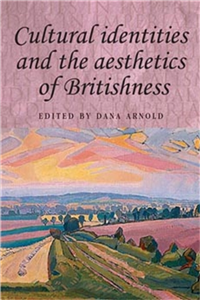
Considers how notions of Britishness were constructed and promoted through architecture, landscape, painting, sculpture and literature. Maps important moments in the self-conscious evolution of the idea of 'nation' against a broad cultural historical framework. An important addition to the field of postcolonial studies as it looks at how British identity creation affected those living in England - most study in this area has thus far focused on the effect of such identity creation upon the colonial subject. Broad appeal due to wide subject matter covered. Examines just how 'constructed' a national identity is - past and present. ;
Trusted Partner

Considers how notions of Britishness were constructed and promoted through architecture, landscape, painting, sculpture and literature. Maps important moments in the self-conscious evolution of the idea of 'nation' against a broad cultural historical framework. An important addition to the field of postcolonial studies as it looks at how British identity creation affected those living in England - most study in this area has thus far focused on the effect of such identity creation upon the colonial subject. Broad appeal due to wide subject matter covered. Examines just how 'constructed' a national identity is - past and present.
Trusted Partner
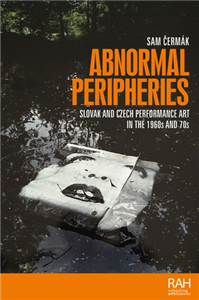
This book traces an early history of performance art from the former Czechoslovakia, which emerged in the 1960s and 1970s in the context of the Prague Spring and the subsequent policy of Normalization that brought on cultural censorship, prosecution, and state violence against artists. The book draws on Czech and Slovak scholarship as well as primary research in archives, interviews, and fieldwork to dispel misreadings of visual and cultural idioms in pre-existing Anglophone scholarship about the region. Although the former Soviet Bloc is often equated with repression and lack of experimental art in public spaces, performance artists within the former Socialist Czechoslovakia often used public, semi-public and clandestine spheres to create their performances. By analysing both works of established artists such as Aktual, Alex Mlynárcik, Petr Stembera, Jan Mlcoch, as well as under-theorised practitioners including Luba Lauffová, Karel Miler, Temporary Society of Intense Living, and Crusaders School of Pure Humour with no Joke, this book analyses how performance can survive and sometimes even thrive on the background of a politically oppressive regime. Cermak tells a unique story of localised resistance to a monolithic public sphere through artistic intervention, a closely knit community, artistic exchange, and agonistic reframing of socialism as a philosophy rather than state ideology.

