
Stanford University Press
Stanford University Press publishes 130 books a year across the humanities, social sciences, law, and business.
View Rights Portal
Stanford University Press publishes 130 books a year across the humanities, social sciences, law, and business.
View Rights Portal
OB STARE is a Spanish publisher specialized in conscious maternity, early childhood education and development that supports knowledge and freedom of choice. We publish inspirational books for a new way of looking, including empowerment, gender equality, self-love and sexual diversity.
View Rights Portal
This feminist literary study discusses postmodern ideas about the self, particularly about the way in which selves are constructed by biography and autobiography. The author particularly examines the manner in which women write about themselves. ;
This fascinating work challenges many of the accepted facts about the concentration camps run by the British during the South African War. The author demonstrates that much of what we have traditionally understood about these camps originates the testimony which was solicited, selected and published by key women activists within Boer proto-nationalist circles. Using detailed archival evidence, she shows that much of the history of the camps results from a deliberate imposition of 'post/memory' - a process by which what was 'remembered' was shaped and reshaped to support the development of a racialised nationalist framework. Many of the camps' occupants died from successive epidemics of measles, typhoid, enteritis and pneumonia rather than deliberate ill-treatment, yet the book shows how mourning for those who died was overridden by state commemorative activities concerned with promoting pan-Boer nationalist aspirations. The innovative and groundbreaking approach of the author invites the reader to step into and explore with her the commemorative sites passed by nationalist land acts, which still powerfully mark the South African landscape. ;
 Trusted Partner

Stanley Cavell: Philosophy, literature, and criticism is the first book to offer a comprehensive examination of the relationship between the celebrated philosophical work of Stanley Cavell and the discipline of literary criticism. In this volume, the editors have assembled an impressive range of interlocutors who set out to explore the shape and substance of Stanley Cavell's persistent acknowledgement of the literary as a category in which, and through which, philosophical work can be undertaken. A number of essays address his engagements with modernism, tragedy, and romanticism, while others consider Cavell's own aesthetic modes as a writer. Stanley Cavell: Philosophy, literature, and criticism will be of interest to all those who are concerned with the ways in which the reading of literature, and the practice of philosophy, might continue both to influence each other across disciplinary boundaries, and to challenge the internal topographies of those disciplines. ;
Trusted Partner

 Trusted Partner

Der Restaurant-Chef, der seinen Stammgästen ab und zu als Spezialität des Hauses einen der Ihren serviert; der kleine Angestellte, der für seinen mächtigen Chef einen Quälgeist aus dem Hochhausfenster fallen lässt; der schizophrene Schachspieler, der die Züge der weißen Figuren ebenso dem anderen überlässt wie den Mord an seiner Frau: scheinbar harmlose Mitbürger allesamt, deren verborgene Abgründe der amerikanische Kriminalschriftsteller Stanley Ellin in zehn Geschichten vorsichtig und fast liebevoll beleuchtet. Eigentlich mochte Arno Schmidt das Krimi-Genre nicht besonders, aber als ihm 1960 ein Band mit Kurzgeschichten Stanley Ellins zur Übersetzung angeboten wurde, zögerte er nicht – und urteilte ein Jahr später in seinem Essay Die 10 Kammern des Blaubart über den amerikanischen Kollegen: »Falls es ihm gelingen sollte, (und in diesen 10 Geschichten zeigen sich unverächtliche Ansätze), zum Tiefsinn seiner Fabeln und der schlechthin vorbildlich knappen Konstruktion sich auch noch eine dichterische Sprache zu erarbeiten – ja, dann könnte es sein, daß wir binnen kurzem einen neuen, wiederum amerikanischen, Poe begrüßen dürfen. Zeit wäre es.«
Trusted Partner
Der Anspruch der Vernunft gehört zu den großen philosophischen Büchern des 20. Jahrhunderts und hat eine ganze Generation von Philosophen beeinflusst. Ungewöhnlich breit angelegt, komplex in der Argumentation, eigenwillig im Stil, eröffnet uns Stanley Cavell in seinem Opus magnum neue Zugänge zu zentralen epistemologischen, metaphysischen, ethischen und ästhetischen Fragen. Insbesondere seine Wittgenstein-Lektüre und die Art, wie er sie für eine raffinierte Umdeutung des Skeptizismus fruchtbar macht, haben bis heute nichts an Originalität eingebüßt. Die Macht der Skepsis, so Cavell, lässt sich nicht durch das Streben nach letzten Wahrheiten brechen, sondern nur dadurch, dass wir uns die Welt auf geradezu romantische Weise ständig zurückerobern. Ein Klassiker.
Trusted Partner
Der amerikanische Literaturwissenschaftler Stanley Fish gilt wegen seines antifundamentalistischen Pragmatismus als »enfant terrible« der akademischen Welt. Zugleich ist er aber ein bedeutender Essayist in bester angelsächsischer Tradition, der in Deutschland noch zu entdecken ist. Der Band versammelt eine Auswahl seiner Essays, die von den frühen Arbeiten zur Literaturtheorie und Sprachphilosophie bis zu den späteren über das Recht, die Rechtsinterpretation und den Rechtspositivismus reicht. Fish provoziert. Sein Werk ist kein Plädoyer für eine bestimmte rechtliche Ordnung und auch keines für eine Befreiung von dieser, sondern die Beschreibung einer Welt, in der Rhetorik, Verschleierung und Improvisation vorherrschen.
Trusted Partner
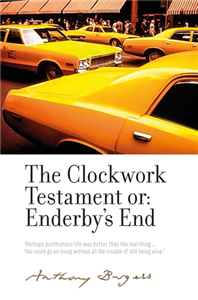
First published in 1974, this novel is a semi-autobiographical reflection on the author's experience of having been the subject of Stanley Kubrick's film adaptation of A Clockwork Orange in 1971. This is the end of Enderby, Anthony Burgess's finest comic creation. Dyspeptic and obese, this is the account of his last day as a visiting professor in New York, and his last day on Earth. The Irwell Edition of The Clockwork Testament will provide new information about the genesis of the novel, gleaned from a series of drafts and typescripts recently discovered in the archive of the International Anthony Burgess Foundation (IABF) in Manchester, as well as printing a deleted chapter for the first time in English.
Trusted Partner

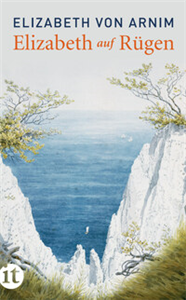
In diesem berühmten Reiseroman veröffentlichte Elizabeth von Arnim ihre hinreißenden Erlebnisse und bezaubernden Naturbeobachtungen auf der Insel Rügen. Mit ihrem unvergleichlichen Erzähltalent entwirft sie ein prächtiges Bild der »Perle der Ostsee« und lädt zu einer kurzweiligen Wanderung über die Insel ein. Stationen der Reise sind: Von Stralsund geht es über Miltzow und Lauterbach nach Göhren und Thiessow, von dort über Sellin nach Binz. Wir erkunden die Wälder um Granitz, das Jagdschloß und den Schwarzen See. Dann geht es weiter über Binz nach Stubbenkammer, Glowe und Wiek. Ein Abstecher nach Hiddensee beschließt die elftägige Wanderung.
Trusted Partner

In diesem berühmten Reiseroman veröffentlichte Elizabeth von Arnim ihre hinreißenden Erlebnisse und bezaubernden Naturbeobachtungen auf der Insel Rügen. Mit ihrem unvergleichlichen Erzähltalent entwirft sie ein prächtiges Bild der »Perle der Ostsee« und lädt zu einer kurzweiligen Wanderung über die Insel ein. Stationen der Reise sind: Von Stralsund geht es über Miltzow und Lauterbach nach Göhren und Thiessow, von dort über Sellin nach Binz. Wir erkunden die Wälder um Granitz, das Jagdschloß und den Schwarzen See. Dann geht es weiter über Binz nach Stubbenkammer, Glowe und Wiek. Ein Abstecher nach Hiddensee beschließt die elftägige Wanderung.
Trusted Partner
Works of travel have been the subject of increasingly sophisticated studies in recent years. This book undermines the conviction with which nineteenth-century British writers talked about darkest Africa. It places the works of travel within the rapidly developing dynamic of Victorian imperialism. Images of Abyssinia and the means of communicating those images changed in response to social developments in Britain. As bourgeois values became increasingly important in the nineteenth century and technology advanced, the distance between the consumer and the product were justified by the scorn of African ways of eating. The book argues that the ambiguities and ambivalence of the travellers are revealed in their relation to a range of objects and commodities mentioned in narratives. For instance, beads occupy the dual role of currency and commodity. The book deals with Henry Morton Stanley's expedition to relieve Emin Pasha, and attempts to prove that racial representations are in large part determined by the cultural conditions of the traveller's society. By looking at Joseph Conrad's Heart of Darkness, it argues that the text is best read as what it purports to be: a kind of travel narrative. Only when it is seen as such and is regarded in the context of the fin de siecle can one begin to appreciate both the extent and the limitations of Conrad's innovativeness.
Trusted Partner
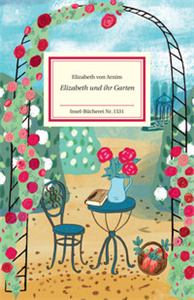
Ein preußischer Ehemann, nur der Grimmige genannt, eine beste Freundin, deren wochenlanger Aufenthalt die Freundesbande strapaziert, und eine naseweise Besucherin aus dem zivilisierten England. Sie alle bevölkern Elizabeths Garten, ihren liebsten Ort, ihre Oase der Ruhe. Meisterhaft erzählt Elizabeth von Arnim davon, wie sie den verwilderten Garten ihres preußischen Landguts in ein Paradies verwandelt und wie sie – trotz unerwünschter Eindringlinge und störender Nebendarsteller – dem wundersamen Zauber, den der Geruch feuchter Erde und die blühende Stille um sie herum verbreiten, immer wieder erliegt.
Trusted Partner
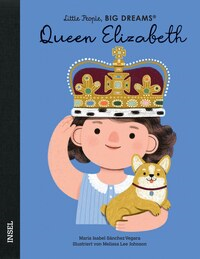
Elizabeth erfuhr schon mit zehn Jahren, dass sie einmal Königin werden würde. Als Vierzehnjährige sprach sie während des Zweiten Weltkriegs den Kindern in aller Welt übers Radio Mut zu. Als ihr Vater starb, bestieg sie mit 25 Jahren den Thron. Aber sie musste noch viel lernen, bei einem Professor nahm sie Unterricht in englischer Verfassung und Politik. Denn ihre Hauslehrer:innen hatten eine andere Aufgabe: eine Lady aus der Prinzessin zu machen. Und jetzt sollte sie mit den Premierministern verhandeln! Sie tat es über siebzig Jahre lang. Little People, Big Dreams erzählt von den beeindruckenden Lebensgeschichten großer Menschen: Jede dieser Persönlichkeiten, ob Künstlerin, Pilotin oder Wissenschaftler, hat Unvorstellbares erreicht. Dabei begann alles, als sie noch klein waren: mit großen Träumen.
Trusted Partner
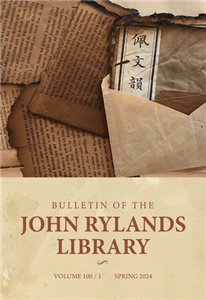
The John Rylands Library houses one of the finest collections of rare books, manuscripts and archives in the world. The collections span five millennia, have a global reach and cover a wide range of subjects, including art and archaeology; economic, social, political, religious and military history; literature, drama and music; science and medicine; theology and philosophy; travel and exploration. For over a century, the Bulletin of the John Rylands Library has published research that complements the Library's special collections.
Trusted Partner


Samuel Hall Young, a Presbyterian clergyman, met John Muir when the great naturalist's steamboat docked at Fort Wrangell, in southeastern Alaska, where Young was a missionary to the Stickeen Indians. In "Alaska Days With John Muir" he describes this 1879 meeting: "A hearty grip of the hand and we seemed to coalesce in a friendship which, to me at least, has been one of the very best things in a life full of blessings." This book, first published in 1915, describes two journeys of discovery taken in company with Muir in 1879 and 1880. Despite the pleas of his missionary colleagues that he not risk life and limb with "that wild Muir," Young accompanied Muir in the exploration of Glacier Bay. Upon Muir's return to Alaska in 1880, they traveled together and mapped the inside route to Sitka. Young describes Muir's ability to "slide" up glaciers, the broad Scotch he used when he was enjoying himself, and his natural affinity for Indian wisdom and theistic religion. From the gripping account of their near-disastrous ascent of Glenora Peak to Young's perspective on Muir's famous dog story "Stickeen," Alaska Days is an engaging record of a friendship grounded in the shared wonders of Alaska's wild landscapes.
Trusted Partner
The second volume of this highly collectable series, covering the pivotal years of 1969-70. The Island Book of Records Volume II documents the years 1969-70, during which Island sought to build on its success with the Spencer Davis Group by seeking out new British rock talent. By the end of the period, Island was emerging as a major British label, one that could boast releases from Jethro Tull, Nick Drake, King Crimson, John and Beverley Martyn, Fairport Convention and Cat Stevens. Featuring material from recent interviews and from media interviews of the time, and including a comprehensive discography of 45s, The Island Book of Records Volume II is lavishly illustrated with gig adverts (very many at venues that no longer exist), concert tickets, flyers, international LP variants, labels, LP and 45 adverts and other ephemera collector's dream.
Trusted Partner
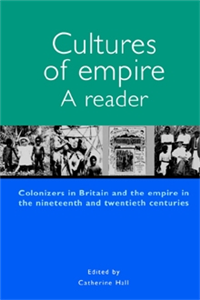
Collects together the best articles by key historians, literary critics, and anthropologists on the cultures of colonialism in the British Empire in the nineteenth and twentieth centuries.. A substantial introduction by the distinguished historian, Professor Catherine Hall, discusses new approaches to the history of empire and establishes a narrative frame through which to read the essays which follow.. The volume is clearly divided into three sections: theoretical, emphasising concepts and approaches; the colonisers 'at home', focusing on how empire was lived in Britain; and 'away' - the attempt to construct new cultures through which the colonisers defined themselves and others in varied colonial sites. A useful guide to recent scholarship on the culture of imperialism. ;
Trusted Partner
In the late eighteenth-century, elite British women had an unprecedented opportunity to travel. Taking travel home uncovers the souvenir culture these women developed around the texts and objects they brought back with them to realise their ambitions in the arenas of connoisseurship, friendship and science. Key characters include forty-three-year-old Hester Piozzi (Thrale), who honeymooned in Italy; thirty-one-year-old Anna Miller, who accompanied her husband on a Grand Tour; Dorothy Richardson, who undertook various tours of England from the ages of twelve to fifty-two; and the sisters Katherine and Martha Wilmot, who travelled to Russia in their late twenties. The supreme tourist of the book, the political salon hostess Lady Elizabeth Holland, travelled to many countries with her husband, including Paris, where she met Napoleon, and Spain during the Peninsular War. Using a methodology informed by literary and design theory, art history, material culture studies and tourism studies, the book examines a wide range of objects, from painted fans "of the ruins of Rome for a sequin apiece" and the Pope's "bless'd beads", to lava from Vesuvius and pieces of Stonehenge. It argues that the rise of the souvenir is representative of female agency, as women used their souvenirs to form spaces in which they could create and control their own travel narratives.
Trusted Partner

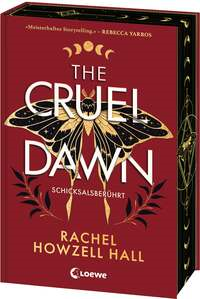
Weisheit. Terror. Schicksal. Kai war einst die Große Beschützerin von Vallendor – bis sie vom rechten Weg abgekommen ist. Nun hat sie ihre Erinnerungen zurück, aber ihr Reich steht kurz vor der Vernichtung. Um ihren Feind zu besiegen, muss sie zwei magische Artefakte finden. Doch nicht nur das: Ausgerechnet Jadon, der sie belogen hat und noch immer eine Flut an zwiespältigen Gefühlen in ihr auslöst, braucht ihre Hilfe. Kai muss ihre Macht zurückfordern und sich entscheiden, wer sie sein will: Eine Zerstörerin oder eine Retterin? Das epische Finale der fesselnden Romantasy-Dilogie. The Cruel Dawn von Bestsellerautorin Rachel Howzell Hall ist das Finale der fesselnden Romantasy-Dilogie, in der Götter bluten, Reiche fallen und eine einzige Frau über das Schicksal entscheidet. Originelles Setting: Reichhaltiges Worldbuilding und eine düstere, einzigartige High-Fantasy-Welt voller Magie, Götter, Verrat und Liebe Abenteuerliche Fantasy: Ungeheuer durchstreifen das Land, Götter bekämpfen einander und Kai muss zwei magische Artefakte finden, die über Sieg oder Niederlage entscheiden. Starke Protagonistin: Kai war eine Zerstörerin der Welten und doch riskiert sie nun alles, um ihr Reich vor der Vernichtung zu bewahren und ihre Fehler wiedergutzumachen. Mitreißende Liebesgeschichte: Jadon hat sie verraten, doch ihr Herz kann ihn nicht loslassen und auch ihre Anziehung ist ungebrochen. Wird er sie erneut hintergehen oder verdient er diesmal ihr Vertrauen? Mit opulentem Farbschnitt - Nur in der 1. Auflage!


