
Flanker Press
Livres Canada Books
View Rights Portal

Flanders Literature opens a window on the dynamic and diverse literary landscape in the northern part of Belgium. It puts translators from Dutch in the spotlight and highlights the works of Flemish authors and illustrators abroad. Flanders Literature supports the publication of translations and literary tours abroad by means of grants, that can be applied for by foreign publishers and festival organisers.
View Rights Portal
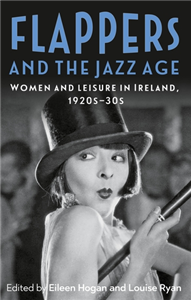
People's ordinary, everyday lives - and more specifically, their leisure activities - are often obscured within existing academic research on 1920s-30s Ireland. This book seeks to redress that neglect by exploring the relationship between identity, recreation, and culture both North and South of the border, with particular attention to women's lived experiences. Leisurely pursuits during this period were commonly overshadowed by religious influence and the nation-building projects in post-partition Ireland. Nevertheless, there existed alternative spaces, where people enjoyed dancing, singing, listening to music, shopping, glamour, reading magazines, swimming, travelling, and going to the cinema. Such activities reflected international trends beyond national borders. This book documents those activities and spaces through a feminist lens and intersectional analysis of gender, class, religion and rural/urban identities. It brings together multi-disciplinary perspectives including cultural studies, architecture, geography, fashion, and musicology. In so doing, we present new insights and advance understanding of this under-researched aspect of Irish history.
 Trusted Partner


Ihr Auftreten in der jungen Millionenstadt Berlin mit Smoking, Zigarette, Bubikopf und Auto, als Flapper, Garçonne oder Girl, macht sie zur Ikone der Zwanziger Jahre. Sie spielt selbstbewusst, sachlich, frivol, provozierend und kämpferisch ihre neu errungene Rolle. In Essays, Reportagen und Kolumnen, in Erzählungen, Romanen und in Lebenserinnerungen wirbt und kämpft sie für die Idee von der ›Neuen Frau‹. Für Helen Hessel ist die »Mode eine Waffe im Kampf der Geschlechter«, Fritzi Massary, die »Frau, die weiß, was sie will«, schreibt vom »Glück des Autofahrens«, Marieluise Fleißer denkt nach über »Sportgeist und Zeitkunst«, Vicky Baum boxt und hat keine »Angst vor Kitsch«, Mascha Kaléko erzählt von den »Mädchen an der Schreibmaschine«, Pola Negri will den Männern missfallen, Gabriele Tergit und Else Lasker-Schüler protestieren gegen den §218, Blandine Ebinger und Claire Waldoff erkunden die Nachtseite Berlins, Josefine Baker tut, was ihr passt, und Valeska Gert platzt wie eine Bombe auf die Wilde Bühne, die Trude Hesterberg gegründet hat ... In den aus den unterschiedlichsten Quellen zusammengestellten Texten zeigt sich die neu gewonnene Freiheit mit ihren Licht- und Schattenseiten.


