
Giunti Editore S.p.A.
Giunti Editore has a wide-ranging catalogue with more than 14,500 active titles and more than 1,000 new releases per year, covering every area of the book sector.
View Rights Portal
Giunti Editore has a wide-ranging catalogue with more than 14,500 active titles and more than 1,000 new releases per year, covering every area of the book sector.
View Rights Portal

 Trusted Partner
Trusted Partner
Trusted Partner
Trusted Partner
Trusted Partner
Trusted Partner
Trusted Partner
Trusted Partner
Trusted Partner
Trusted Partner
Trusted Partner

 Trusted Partner


Was ist das Leben wert ohne Risiko? Ein packender, hervorragend recherchierter Roman von Bestseller-Autorin Katja Brandis. Jan steht ein Sommer voller Abenteuer bevor: Sein Vater ist Vulkanologe und bietet Jan an, ihn einen Sommer lang zu begleiten, während dieser in aller Welt einen Dokumentarfilm dreht. Erst bei den haarsträubenden Dreharbeiten in Hawaii und Indonesien wird ihm klar, dass sein Vater ein Risiko-Junkie ist und sich regelmäßig in Gefahr bringt … und Jan gleich mit. In Neapel beruhigt sich die Lage zwischen Jan und seinem Vater. Er lernt Giulia kennen, die ihm nicht mehr aus dem Kopf geht. Doch das scheinbare Glück der beiden ist nur von kurzer Dauer, als Jan dort begreift, wie gefährlich der Vesuv tatsächlich ist und dass ein Ausbruch unmittelbar bevorsteht. Ein Rennen gegen die Zeit beginnt … Katja Brandis über riskante Touristenziele und über Menschen, die bereit sind, bis in die Extreme zu gehen. Weitere Jugendbücher von Katja Brandis im Arena Verlag: Die Ewigen von CallisteDer Fuchs von AramirDie JaguargöttinDer PanthergottKhyona (1). Im Bann des SilberfalkenKhyona (2). Die Macht der EisdrachenGepardensommerKoalaträumeElefantentempelDelfinteam (1). Abtauchen ins AbenteuerDelfinteam (2). Der Sog des BermudadreiecksDelfinteam (3). Ritt auf der Brandung
Trusted Partner
Trusted Partner
Trusted Partner
 Trusted Partner
Trusted Partner
Trusted Partner
Trusted Partner
Trusted Partner

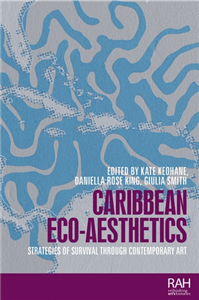
This edited volume reframes the Caribbean as a paradigm of ecological resilience and creativity by bringing together the voices of contemporary artists and scholars who are at the forefront of environmental activism in the region and across its diasporas. While dominant narratives percolating from the environmental sciences to the mainstream press present the Caribbean as a frontier of planetary disaster, the contributors to this volume show how the region offers radical models for overcoming the environmental challenges of the present. At the heart of this argument lies the history of the Caribbean as a centre for grassroots forms of anti-colonial and anti-capitalist resistance founded upon nature-centred cosmologies and practices. Caribbean Eco-Aesthetics shows how contemporary artists are mobilising this radical heritage in a bid to unlock alternative planetary futures.
Trusted Partner



