
Andrew Nurnberg Associates Ltd.
International literary agency with a distinguished list of fiction, non-fiction and children's authors, specializing in foreign rights.
View Rights Portal
International literary agency with a distinguished list of fiction, non-fiction and children's authors, specializing in foreign rights.
View Rights Portal
**Download our catalogue** https://app.box.com/s/wxf7sfuxp8uz5c5sj0cel08plfc9z1v3 ** Watch our short video pitches for your key books of the fair https://www.youtube.com/playlist?list=PLRuP9O31bj5-sKE3iByYmYu1PuzFvK8_4 ** We are proud to represent prizewinning and bestselling authors across all genres, from literary fiction (Kate Tempest) to Top5 thrillers (Cara Hunter), from pop science (Sue Black) to narrative nonfiction (Helen Russell) and narrative history (Sinclair McKay). Join our monthly newsletter: https://lb.benchmarkemail.com/listbuilder/signupnew?UDxLzrt9hi4UoU%252BY0hWxQf5pwVnAjsSIhoQhofH0GHztO5iNRn8gS049TyW7spdJ
View Rights Portal
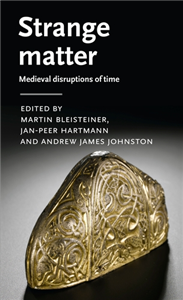
Medieval and early modern texts reflect a fascination with material objects, from ancient heirlooms to ingenious automata. Often imbued with power or beauty, these objects carry an uncanny sense of otherness, their mysterious origins evoking wonder and suggesting temporal and spatial distance. Acting as repositories of temporal alterity, such artefacts bridge the past and present in profound ways. This volume, featuring contributions from experts in literature and art history, explores how texts from these periods use material objects to engage with temporal otherness. From everyday items to marvellous creations, objects challenge distinctions between human and material, natural and cultural. Whether examining the hybrid status of Hector's body in Lydgate's Troy Book or the temporal agency of humble bubbles, the chapters illuminate the vibrant networks connecting people and objects. By highlighting the 'hybridity' of matter, the book offers fresh insights into Bruno Latour's critique of nature-culture divides.


This book, the world's first biography of Paul Watzlawick, written by his great-niece, describes the life of this philosopher, therapist, and best-selling author. Paul Watzlawick had a talent for languages and he led an adventurous life, from his childhood in Villach to studying in Venice after the war, to analyst training under C. G. Jung in Zurich, an attempt at establishing himself in India and then in El Salvador as a therapist, and finally to the Mental Research Institute (MRI) in the United States, headed by Don D. Jackson, a venerable scientist. This marked the beginning of the second half of his life, his amazing career as a communication researcher, a pioneer of systemic therapy, a radical constructivist, and a great thinker regarding the divisions between East and West. With many letters, lectures, interviews, and statements from contemporary witnesses and family members, this book makes Paul Watzlawick accessible as a human being and as a spiritually inspired, leading 20th century thinker. It includes a variety of unpublished material from Watzlawick, and introduces a comprehensive and exciting picture of the scientist and cosmopolitan person, Paul Watzlawick. Target Group: For people interest in Paul Watzlawick, communication sciences, systemic therapy, and constructivism.
 Trusted Partner
The John Rylands Library houses one of the finest collections of rare books, manuscripts and archives in the world. The collections span five millennia, have a global reach and cover a wide range of subjects, including art and archaeology; economic, social, political, religious and military history; literature, drama and music; science and medicine; theology and philosophy; travel and exploration. For over a century, the Bulletin of the John Rylands Library has published research that complements the Library's special collections. An electronic edition of this issue is freely available under a Creative Commons (CC BY-NC-ND) licence.
Trusted Partner
The John Rylands Library houses one of the finest collections of rare books, manuscripts and archives in the world. The collections span five millennia, have a global reach and cover a wide range of subjects, including art and archaeology; economic, social, political, religious and military history; literature, drama and music; science and medicine; theology and philosophy; travel and exploration. For over a century, the Bulletin of the John Rylands Library has published research that complements the Library's special collections.
Trusted Partner

 Trusted Partner
The John Rylands Library houses one of the finest collections of rare books, manuscripts and archives in the world. The collections span five millennia, have a global reach and cover a wide range of subjects, including art and archaeology; economic, social, political, religious and military history; literature, drama and music; science and medicine; theology and philosophy; travel and exploration. For over a century, the Bulletin of the John Rylands Library has published research that complements the Library's special collections.
Trusted Partner

From Manchester's backstreets to global dancefloors - the untold story of a musical pioneer. Beginning on the night in November 1963 when his mum took him to see the Beatles live at Manchester's ABC Cinema, Mike Pickering takes the reader through sixty years of clubs, clothes, gigs, record labels, football matches and politics. Pickering has lived through decades of rapid change in popular music. As an influential DJ he introduced house music into the legendary Haçienda. He signed Happy Mondays and James to Factory Records before working with Kasabian, Gossip and Calvin Harris at Sony. His Mercury Prize-winning, multi-million-selling group M People transformed the music industry's attitude to dance music. As he tells his remarkable story he introduces an array of friends and collaborators, many of whom would become important - and sometimes notorious - figures in music history. Manchester must dance is a revelatory insider's account that moves from the cramped back streets of 1950s north Manchester on a journey deep into music, the city and the wider world. It features forewords from some of those Pickering inspired: Martin Fry, Johnny Marr, Noel Gallagher and Calvin Harris.
Trusted Partner

The John Rylands Library houses one of the finest collections of rare books, manuscripts and archives in the world. The collections span five millennia, have a global reach and cover a wide range of subjects, including art and archaeology; economic, social, political, religious and military history; literature, drama and music; science and medicine; theology and philosophy; travel and exploration. For over a century, the Bulletin of the John Rylands Library has published research that complements the Library's special collections. An electronic edition of this issue is freely available under a Creative Commons (CC BY-NC-ND) licence.
Trusted Partner


Martin Taschenbier ist der Viertkleinste in der Klasse und der Zweitschwächste. In puncto Schüchternheit nimmt er sogar den ersten Platz ein. Dabei wäre er so gern wie die anderen. Aber Martin traut sich einfach nichts. Bis er nach den Weihnachtsferien mit der Klasse zum Skilaufen fährt und das Sams kennen lernt, ein vorlautes, respektloses Wesen, das sich von nichts und niemandem einschüchtern lässt und auf geheimnisvolle Weise Wünsche erfüllen kann. Martins größten Wunsch, ein anderer zu sein, kann das Sams zwar nicht erfüllen, aber es hilft ihm, mutiger und selbstbewusster zu werden. Als die Woche im Schullandheim um ist, hat Martin zum ersten Mal das Gefühl dazuzugehören, und er weiß, dass er jetzt seinen Platz in der Klasse gefunden hat. Die lustigen Kinderbücher rund um das liebenswerte Sams sind Klassiker der deutschen Kinderliteratur zum Vorlesen und Selberlesen für Kinder ab 7 Jahren. Das freche, vorlaute, rüsselnasige Wesen lehrt nicht nur Herrn Taschenbier, sein Leben selbstbewusst und frei zu leben, ganz egal was andere denken. „Ein Sams für Martin Taschenbier“ ist der vierte Band der Reihe, die bis heute fortgeschrieben wird. Gelistet bei Antolin. Die Bände der Sams-Reihe sind sowohl mit den Original-Illustrationen von Paul Maar erhältlich als auch modern interpretiert von Star-Illustration Nina Dulleck: Band 1: Eine Woche voller Samstage Band 2: Am Samstag kam das Sams zurück Band 3: Neue Punkte für das Sams Band 4: Ein Sams für Martin Taschenbier Band 5: Sams in Gefahr Band 6: Onkel Alwin und das Sams Band 7: Sams im Glück Band 8: Ein Sams zu viel Band 9: Das Sams feiert Weihnachten Band 10: Das Sams und der blaue Drache Band 11: Das Sams und die große Weihnachtssuche
Trusted Partner

Four Saints in Three Acts by Gertrude Stein and Virgil Thomson was a major avant-garde phenomenon of the 1930s, an experimental opera that nonetheless achieved remarkable popular success. Photography was a key element of that success, but its complex roles in the construction, representation and dissemination of the opera have hitherto received little critical attention. The photographic recording of the all-African American cast in particular affords a unique insight into the complexities of Four Saints in relation to the Harlem Renaissance and the New York avant-gardes of the time. This book, published in collaboration with The Photographers' Gallery, London, presents a wide selection of photographs of the cast, performances, and other material - many images reproduced for the first time - alongside essays by an international range of scholars exploring different aspects of the opera, including dance, fashion, music, and avant-garde writing, as well as photography.
Trusted Partner


Martin, der Sohn von Herrn Taschenbier, ist der Viertkleinste in der Schule, der Zweitschwächste und der Schüchternste. Gern wäre Martin stark, mutig und beliebt, also das Gegenteil von dem, wie er tatsächlich ist, doch wie soll das gehen, wenn man sich einfach nichts traut! Auf einer Klassenreise lernt er dann das Sams kennen. Es ist frech, vorlaut und lässt sich von niemandem einschüchtern. So möchte Martin auch sein! Ob sich Martins Wunsch mit Hilfe der Wunschpunkte des Sams' erfüllen lässt?
Trusted Partner

In "Ein Sams für Martin Taschenbier" von Paul Maar, bereichert mit farbigen Illustrationen von Nina Dulleck, begibt sich der junge Martin Taschenbier auf eine abenteuerliche Reise der Selbstfindung und des Mutes. Martin, bekannt als einer der Schüchternsten, Schwächsten und Kleinsten in seiner Schule, träumt davon, stark, mutig und beliebt zu sein. Sein Leben nimmt eine spannende Wendung, als er auf einer Klassenfahrt das Sams trifft – ein freches, furchtloses Wesen, das für seine vorlaute Art bekannt ist. Mit den Wunschpunkten des Sams an seiner Seite, erhofft sich Martin eine Chance, sein Selbstbild zu transformieren. Dieser Band der Sams-Reihe von Paul Maar, angereichert durch die modernen und lebhaften Illustrationen von Nina Dulleck, spricht Themen wie Offenheit, Toleranz und den Mut, sich selbst treu zu sein, auf humorvolle Weise an. Die Geschichte ist nicht nur zeitlos und modern, sondern fördert auch wichtige soziale Werte, was sie zu einem unverzichtbaren Leseerlebnis für junge Leserinnen und Leser ab 7 Jahren macht. Zeitlos und modern: Ein Klassiker der Kinderliteratur, neu belebt durch das Erfolgsduo Paul Maar und Nina Dulleck, macht dieses Buch zu einem Muss für jede Kinderbuchsammlung. Förderung wichtiger Werte: Mit viel Humor und Charme vermittelt das Buch Botschaften von Offenheit, Toleranz und Selbstakzeptanz. Bezaubernde Illustrationen: Farbenfrohe und lebendige Illustrationen von Nina Dulleck bereichern jede Seite und machen das Lesen zu einem visuellen Fest. Mutmachende Geschichte: Martin Taschenbiers Reise vom schüchternen Jungen zum selbstbewussten Helden inspiriert Kinder, an sich selbst zu glauben. Vielseitiges Leseerlebnis: Ideal für Vorlesesessions mit der Familie sowie für junge Selbstleser, bietet das Buch spannende Unterhaltung und wertvolle Lebenslektionen. Teil einer beliebten Reihe: Als ein Band der bekannten Sams-Reihe, bietet dieses Buch Anschluss an ein größeres Universum voller Fantasie und Spaß.
Trusted Partner
 Trusted Partner

In "Als Herr Martin durchsichtig wurde" von Paul Maar erleben Kinder die außergewöhnliche Geschichte von Herrn Martin, der eines Tages beginnt, durchsichtig zu werden, bis er schließlich vollständig unsichtbar ist. Trotz der Herausforderungen, die sein Zustand mit sich bringt, einschließlich der Unfähigkeit, medizinische Hilfe zu erhalten und der Verwirrung, die er in der Öffentlichkeit stiftet, entdeckt Herr Martin auch die Vorteile seines Unsichtbarseins. Er genießt die ungewöhnlichen und humorvollen Situationen, die sich aus seiner Unsichtbarkeit ergeben, wie zum Beispiel die Momente mit Frau Sawitzki, die nichtsahnend auf seinem Schoß Platz nimmt. Dieses Bilderbuch für Kinder ab 4 Jahren verbindet die kindliche Faszination am Unsichtbarsein mit einer Reihe von humorvollen und nachdenklichen Szenen, die zum Lachen bringen und zum Träumen anregen. Einzigartige Geschichte mit Tiefgang: "Als Herr Martin durchsichtig wurde" von Paul Maar ist eine fantasievolle Geschichte, die humorvoll und einfühlsam das Thema Unsichtbarkeit behandelt, dabei aber auch tiefere Themen wie Einsamkeit und die Sehnsucht nach Nähe berührt. Speziell für junge Leser konzipiert, lädt dieses Bilderbuch Kinder dazu ein, ihre Fantasie zu entfalten und die faszinierende Idee des Unsichtbarseins zu erkunden. Mit vielen lustigen Szenen, die das Unsichtbarsein mit sich bringt, bietet das Buch Unterhaltung und regt gleichzeitig zum Nachdenken an. Die Geschichte zeigt auf charmante Weise, dass jede Situation ihre Vor- und Nachteile hat. Katharina Grossmann-Hensel bereichert die Geschichte mit ihren hintersinnig-zärtlichen Illustrationen, die die Emotionen und subtilen Nuancen der Geschichte einfangen und visuell zum Leben erwecken. Geschrieben von Paul Maar, einem der renommiertesten Kinderbuchautoren, garantiert dieses Buch Qualität und Kreativität, die Kinder und Erwachsene gleichermaßen begeistern. Neben Unterhaltung bietet das Buch auch Anlass für Gespräche zwischen Eltern und Kindern über Themen wie Sichtbarkeit, Akzeptanz und die Bedeutung von menschlicher Nähe. Gelobt für seine originelle Handlung und die kunstvollen Illustrationen, ist das Buch ein Beweis für Maars Fähigkeit, tiefgründige Themen auf leichte und zugängliche Weise zu behandeln. Mit seiner Mischung aus Humor, Wärme und künstlerischer Gestaltung ist "Als Herr Martin durchsichtig wurde" ein ideales Geschenk, das Kindern nicht nur Freude bereitet, sondern sie auch kreativ anregt und emotional berührt.
Trusted Partner

A hundred years after the tragic 1924 British Everest expedition, this collection explores the wider social and cultural history of the mountain. Mount Everest looms large in the popular imagination. Since the deaths of mountaineers George Mallory and Andrew Irvine in 1924, histories of the mountain have overwhelmingly focused on the mythologies of western male adventure and conquest. But there are many more stories waiting to be told. Other Everests brings together new voices and perspectives on the historical and cultural significance of Everest in the modern world. The book shines a light on the overlooked role of local people and high-altitude workers, while also revealing the significant contributions women have made to climbing the mountain and writing its history. It explores the depiction of Everest in a range of media and investigates how the forces of nationalism and commercialism have shaped many different 'Everests'. After years of exploitation, Indigenous people are now reclaiming Mount Everest in the twenty-first century. Other Everests re-examines the past and present of the world's highest peak, presenting an exciting vision of what Everest might become in the future.
Trusted Partner

Martin Taschenbier ist der Viertkleinste in der Klasse und der Zweitschwächste. In puncto Schüchternheit nimmt er sogar den ersten Platz ein. Dabei wäre er so gern wie die anderen. Aber Martin traut sich einfach nichts. Bis er nach den Weihnachtsferien mit der Klasse zum Skilaufen fährt und das Sams kennen lernt, ein vorlautes, respektloses Wesen, das sich von nichts und niemandem einschüchtern lässt und auf geheimnisvolle Weise Wünsche erfüllen kann. Martins größten Wunsch, ein anderer zu sein, kann das sams zwar nicht erfüllen, aber es hilft ihm, mutiger und selbstbewusster zu werden. Als die Woche im Schullandheim um ist, hat Martin zum ersten Mal das Gefühl dazuzugehören, und er weiß, dass er jetzt seinen Platz in der Klasse gefunden hat.
Trusted Partner
 Trusted Partner

This study of the British colonial administrator James Tod (1782-1835), who spent five years in north-western India (1818-22) collecting every conceivable type of material of historical or cultural interest on the Rajputs and the Gujaratis, gives special attention to his role as a mediator of knowledge about this little-known region of the British Empire in the early nineteenth century to British and European audiences. The book aims to illustrate that British officers did not spend all their time oppressing and inferiorising the indigenous peoples under their colonial authority, but also contributed to propagating cultural and scientific information about them, and that they did not react only negatively to the various types of human difference they encountered in the field.
Trusted Partner
The Arctic region has been the subject of much popular writing. This book considers nineteenth-century representations of the Arctic, and draws upon an extensive range of evidence that will allow the 'widest connections' to emerge from a 'cross-disciplinary analysis' using different methodologies and subject matter. It positions the Arctic alongside more thoroughly investigated theatres of Victorian enterprise. In the nineteenth century, most images were in the form of paintings, travel narratives, lectures given by the explorers themselves and photographs. The book explores key themes in Arctic images which impacted on subsequent representations through text, painting and photography. For much of the nineteenth century, national and regional geographical societies promoted exploration, and rewarded heroic endeavor. The book discusses images of the Arctic which originated in the activities of the geographical societies. The Times provided very low-key reporting of Arctic expeditions, as evidenced by its coverage of the missions of Sir John Franklin and James Clark Ross. However, the illustrated weekly became one of the main sources of popular representations of the Arctic. The book looks at the exhibitions of Arctic peoples, Arctic exploration and Arctic fauna in Britain. Late nineteenth-century exhibitions which featured the Arctic were essentially nostalgic in tone. The Golliwogg's Polar Adventures, published in 1900, drew on adult representations of the Arctic and will have confirmed and reinforced children's perceptions of the region. Text books, board games and novels helped to keep the subject alive among the young.
Trusted Partner


