
Iron Bridge Publishing
Iron Bridge Publishing is a new independent & hybrid publisher with a mission to spread positive and constructive ideas.
View Rights Portal
Iron Bridge Publishing is a new independent & hybrid publisher with a mission to spread positive and constructive ideas.
View Rights Portal
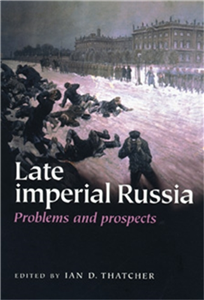
This volume offers a detailed examination of the stability of the late imperial regime in Russia. Students and scholars will appreciate the lively summaries of the latest scholarship in political, economic, social, cultural, and international history. Accessible yet insightful, contributions cover the historiography of complex topics such as peasants, workers, revolutionaries, foreign relations, and Nicholas II. In addition, there are original studies of some of the leading intellectuals of the time. The late imperial economy is examined through the writings of Tugan-Baranovsky. There is an account of M. N. Pokrovskii's radical interpretation of late imperial Russia's historical path of development. The state of the Russian theatre is studied through the lives of theatrical impresarios. Each chapter also highlights a unique interpretation, suggesting new lines of inquiry and research. This book will be compulsory reading for students of Russian and European history of the late nineteenth and early twentieth centuries seeking to better understand why Tsarism collapsed in 1917. ;
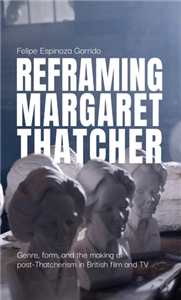
Against the backdrop of Britain's historically anti-Thatcherite films of the 1980s and 1990s, Reframing Margaret Thatcher outlines a decisive shift in the collective imagination of Thatcher. Drawing on genre, trauma, and queer studies, it demonstrates how post-Thatcherite films reflect upon their own entanglement in the polarization of the Thatcher years but also rewrite the clichéd Iron Lady. Chapters on The Iron Lady, This is England, Doomsday, 9 Dead Gay Guys, and the Sherlock TV series investigate various Thatcher imaginations, ranging from Thatcher as a lesbian mob boss, as prime minister in apocalyptic England, to Thatcher as an empty bust. This innovative study shows how the apparent depoliticization of British film makes visible new relations between genre, cinematic form, and imaginations of the past and offers fresh perspectives that both critique and reinterpret Thatcher's enduring impact.
 Trusted Partner
This is the new paperback edition of the first fully annotated volume of Ben Jonson's 'The Magnetic Lady' written in 1632. It contains textual and explanatory notes and the text is modernised for student use. The introduction places the play in the context of Jonson's later dramatic and poetic works and discusses the political context of the Caroline court. A performance history of the play and fresh material relating to its seventeenth-century reception are also provided. This edition by Peter Happè critically reappraises Jonson's much-neglected play and argues for its recognition as a work of real distinction. ;
Trusted Partner
This is the new paperback edition of the first fully annotated volume of Ben Jonson's 'The Magnetic Lady' written in 1632. It contains textual and explanatory notes and the text is modernised for student use. The introduction places the play in the context of Jonson's later dramatic and poetic works and discusses the political context of the Caroline court. A performance history of the play and fresh material relating to its seventeenth-century reception are also provided. This edition by Peter Happè critically reappraises Jonson's much-neglected play and argues for its recognition as a work of real distinction.
Trusted Partner
Trusted Partner

Using oral histories gathered from trade unionists, this book explores the national steelworkers strike of 1980 and asserts its significance as a key turning point in modern British history. The strike was nominally a response to a 2% pay offer made by British Steel Corporation (BSC), at a time when inflation was 17%, but was generated by the widespread works closures that characterised the British steel industry at this time. The outcome of the strike was a much higher pay increase but no change to the deindustrialisation strategy of BSC and the government. The book explores the strike from the perspective of those who fought it and reveals the short and longer-term consequences it had on the industry, the unions and the workers themselves.
Trusted Partner

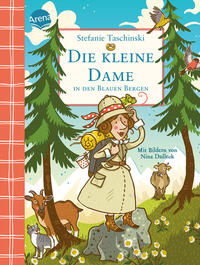
The Blue Mountains are calling! When Lilly’s grandma’s favourite cow falls ill, the Bear family immediately decide to pay them a visit – but without the Little Lady. Mother and Father Bear are worried that her chameleon-like behaviour might upset Grandma Annie. But Lilly, Charley and the Little Lady won’t accept such thinking. With a zip and a zoom the Little Lady opens her umbrella and up and away they go on the greatest mountain “salafari” of all time! But then something weird happens to the Little Lady: first her feet start to tickle, then her fine hiking boots start to pinch, and her jacket seems to be shrinking! She sees with horror that she is starting to grow. What can Lilly, Charley and she do to stop it?
Trusted Partner

 Trusted Partner
Trusted Partner
Trusted Partner
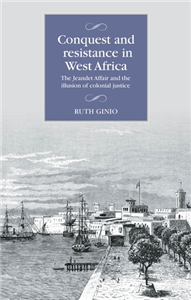
This book is an enthralling account of a legal scandal, which erupted in colonial Senegal in 1890 and reached the French metropolitan press and the parliament. The murder of a colonial administrator, Abel Jeandet, by one of his soldiers led to the brutal and illegal executions without trial of the killer and two local dignitaries. The volume follows the fascinating story of Ndiereby Ba, the widow of one of the dignitaries, who with the help of powerful métis men in the capital Saint Louis sued the French administrators who had supervised the executions for the murder of her husband. Through this captivating tale the book articulates the French expansion into West Africa, the resistance to colonial rule both violent and non-violent, and the lack of interest on the part of French politicians in the brutal conquest of a territory they know nothing about.
Trusted Partner
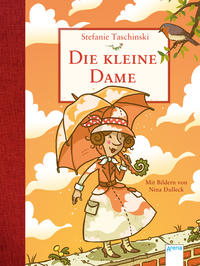
The Little Lady makes all hearts sing! When Lilly and her family move into the old house with the golden pretzel, she has no idea that a magic neighbour lives in the mysterious backyard. The Little Lady keeps a chameleon that is 1000 years old; she can make herself invisible and masters all kinds of magic tricks – but most of all she loves to play pranks on others! So a summer filled with wonderful adventures begins for Lilly. Poetic, full of imagination and humour, the Little Lady is delighted by her ever-growing community of fans and enjoys huge success with young and old alike. A fantastically beautiful story to read aloud or alone, exquisitely illustrated by Nina Dulleck.
Trusted Partner

The West must wait presents a new perspective on the development of the Irish Free State. It extends the regional historical debate beyond the Irish revolution and raises a series of challenging questions about post-civil war society in Ireland. Through a detailed examination of key local themes - land, poverty, politics, emigration, the status of the Irish language, the influence of radical republicans and the authority of the Catholic Church - it offers a probing analysis of the socio-political realities of life in the new state. This book opens up a new dimension by providing a rural contrast to the Dublin-centred views of Irish politics. Significantly, it reveals the level of deprivation in local Free State society with which the government had to confront in the west. Rigorously researched, it explores the disconnect between the perceptions of what independence would deliver and what was achieved by the incumbent Cumann na nGaedheal administration.
Trusted Partner

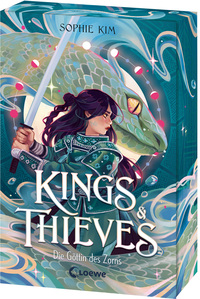
ZWISCHEN RACHE UND VERGEBUNG Seit die Prophezeiung Linas Körper eingenommen und sich selbst zur Göttin des Zorns ernannt hat, führt sie Krieg gegen die Drei Königreiche. An ihrer Seite: die Furcht einflößenden Imugi. Doch König Rui, seine Dokkaebi und selbst die Götter setzen alles daran, sie aufzuhalten. Derweil ist die echte Lina gefangen in ihrem eigenen Kopf. Nur Rui kann sie durch den Faden des Schicksals erreichen. Aber können sie eine Prophezeiung überhaupt stoppen? Und wenn ja, zu welchem Preis? Im fulminanten Abschluss von Sophie Kims Romantasy-Trilogie dreht sich alles um Schicksal, Liebe, Vergebung und die Folgen von Rache und Machtgier. Aus mehreren Perspektiven erleben wir das Geschehen und tauchen tief ein in die koreanische Sagenwelt.
Trusted Partner

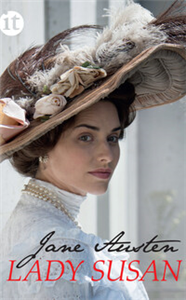
Die attraktive Lady Susan sorgt für Aufregung in der Gesellschaft: Frisch verwitwet, weiß sie ihre Reize nur zu gut einzusetzen und kokettiert bereits wieder mit ihren Verehrern. Gerüchte über angebliche Affären machen die Runde. Um den Gerede zu entgehen zieht sie sich auf das Anwesen ihres Bruders zurück. Dort kann sie ihren Plan in Ruhe weiterverfolgen: einen neuen wohlhabenden Ehemann zu finden. Objekt ihrer Begierde ist der adrette Reginald DeCourcy, der jüngere Bruder ihrer Schwägerin. Es werden fleißig Intrigen gesponnen, um unliebsame Konkurrentinnen aus dem Feld zu schlagen. Doch als eines Tages ihre Tochter Frederica auftaucht, geraten Lady Susans Pläne in Gefahr. Hatte sie für die Tochter doch den reichen, recht einfältigen Sir James Martin auserwählt, was der allerdings überhaupt nicht passt … Lady Susan war Jane Austens erster Roman; er wurde erst posthum veröffentlicht. Nicht minder amüsant, doch viel scharfzüngiger als in ihren großen Romanen erzählt die beliebte Autorin von amourösen und gesellschaftlichen Verwicklungen.
Trusted Partner

Terry Gilliam presents a sustained examination of one of cinema's most challenging and lauded auteurs, proposing fresh ways of seeing Gilliam that go beyond reductive readings of him as a gifted but manic fantasist. Analysing Gilliam's work over nearly four decades, from the brilliant anarchy of his Monty Python animations through the nightmarish masterpiece Brazil to the provocative Gothic horror of Tideland, it critically examines the variety and richness of Gilliam's sometimes troubled but always provocative output. The book situates Gilliam within the competing cultural contexts of the British, European and American film industries, examining his regular struggles against aesthetic and commercial pressures. He emerges as a passionate, immensely creative director, whose work encompasses a dizzying array of material: anarchic satire, childhood and adult fantasy, dystopia, romantic comedy, surrealism, road movie, fairy tale and the Gothic. The book charts how Gilliam interweaves these genres and forms to create magical interfaces between reality and the illuminating, frightening but liberating worlds of the imagination. Scrutinising the neglected importance of literature and adaptation in Gilliam's career, this study also observes him through the lenses of auteurism, genre, performance, design and national culture, explaining how someone born in Minnesota and raised in California came to be one of British television and film's most compelling figures.
Trusted Partner
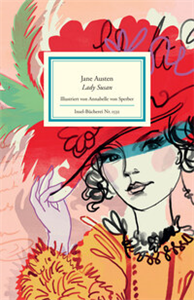
Die attraktive Lady Susan sorgt für Aufregung in der Gesellschaft: Frisch verwitwet, weiß sie ihre Reize einzusetzen und kokettiert mit ihren Verehrern. Gerüchte über angebliche Affären machen die Runde. Um dem Gerede zu entgehen, zieht sie sich auf das Anwesen ihres Bruders zurück, um in Ruhe ihren Plan weiterzuverfolgen: einen neuen wohlhabenden Ehemann zu finden. Objekt ihrer Begierde ist der adrette Reginald DeCourcy. Es werden fleißig Intrigen gesponnen, um unliebsame Konkurrentinnen aus dem Feld zu schlagen. Doch als eines Tages ihre Tochter Frederica auftaucht, geraten Lady Susans Pläne in Gefahr … Amüsant und scharfzüngig erzählt die beliebte Autorin von amourösen und gesellschaftlichen Verwicklungen.
Trusted Partner

Lady Susan, die Mutter einer im heiratsfähigen Alter befindlichen Tochter quartiert sich im Haus ihres Bruders ein und stiftet dort erhebliche Unruhe, als sie ihres Amüsements wegen dem Bruder ihrer Schwägerin den Kopf verdreht.
Trusted Partner
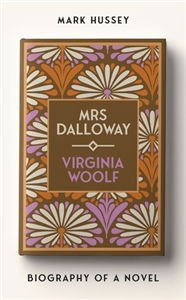
A compelling biography of one of the most celebrated novels in the English language. The fourth and best-known of Virginia Woolf's novels, Mrs Dalloway is a modernist masterpiece that has remained popular since its publication in 1925. Its dual narratives follow a day in the life of wealthy housewife Clarissa Dalloway and shell-shocked war veteran Septimus Warren Smith, capturing their inner worlds with a vividness that has rarely been equalled. Mrs Dalloway: Biography of a novel offers new readers a lively introduction to this enduring classic, while providing Woolf lovers with a wealth of information about the novel's writing, publication and reception. It follows Woolf's process from the first stirrings in her diary through her struggles to create what was quickly recognised as a major advance in prose fiction. It then traces the novel's remarkable legacy to the present day. Woolf wrote in her diary that she wanted her novel 'to give life & death, sanity & insanity. to criticise the social system, & to show it at work, at its most intense.' Mrs Dalloway: Biography of a novel reveals how she achieved this ambition, creating a book that will be read by generations to come.
Trusted Partner
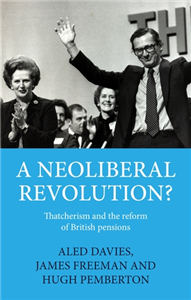
This book examines the Thatcher government's attempt to revolutionise Britain's pensions system in the 1980s and create a nation of risk-taking savers with an individual stake in capitalism. Drawing upon recently-released archival records, it shows how the ideas motivating these reforms journeyed from the writings of neoliberal intellectuals into government and became the centrepiece of a plan to abolish significant parts of the UK's welfare state and replace these with privatised personal pensions. Revealing a government that veered between political caution and radicalism, the book explains why this revolution failed and charts the malign legacy left by the evolutionary changes that ministers salvaged from the wreckage of their reforms. The book contributes to understanding of policy change, Thatcherism, and international neoliberalism by showing how major reforms to social security could reflect neoliberal thought and yet profoundly disappoint their architects.
Trusted Partner
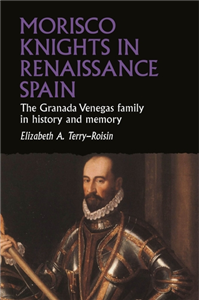
How does a Morisco enter the Spanish nobility? This book reveals the cultural strategies through which a family of converts from Islam to Christianity overcame limpieza de sangre laws, rose in social status, avoided King Philip III's Morisco expulsions of 1609-14, and achieved a noble title. Drawing on archival sources from both Spain and Italy to re-create the original family archive, this book follows the Granada Venegas family from Granada, to Madrid, to the dusty Andalucían town of Campotéjar, of which they became Marquises, and finally to Italy. Their descendants would serve as Doges of Genoa in the eighteenth century.



