
Water Environment Federation
Water Environment Federation (WEF)publishes a variety of technical publications, including newsletters,manuals of practice and other books, magazines, and journals.
View Rights Portal
Water Environment Federation (WEF)publishes a variety of technical publications, including newsletters,manuals of practice and other books, magazines, and journals.
View Rights Portal
The Endocrine Society is a global organization of 18,000 researchers, educators, and clinicians advancing breakthroughs in hormone science and improving public health.
View Rights Portal
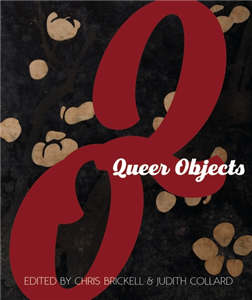
Queer lives give rise to a vast array of objects: the things we fill our houses with, the gifts we share with our friends, the commodities we consume at work and at play, the clothes and accessories we wear, and the analogue and digital technologies we use to communicate with one another. But what makes an object queer? The sixty-three chapters in Queer Objects consider this question in relation to lesbian, gay and transgender communities across time, cultures and space. In this unique international collaboration, well-known and newer writers traverse world history to write about items ranging from ancient Egyptian tomb paintings and Roman artefacts to political placards, snapshots, sex toys and the smartphone. Fabulous, captivating, transgressive.
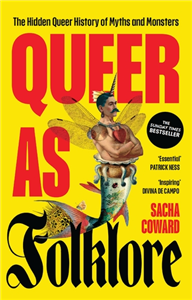
A celebration of queer history like you've never seen it before. Queer as folklore travels across centuries and continents to reveal the unsung heroes and villains of storytelling, magic and fantasy. Featuring images from archives, galleries and museums around the world, each chapter investigates the queer history of different mythic and folkloric characters, both old and new. Leaving no headstone unturned, Sacha Coward takes you on a wild ride through the night from ancient Greece to the main stage of RuPaul's Drag Race, visiting cross-dressing pirates, radical fairies and the graves of the 'queerly departed' along the way. Queer communities have often sought refuge in the shadows and created safe spaces in underworlds. But these forgotten narratives tell stories of resilience that deserve to be heard. Join any Pride march and you will see a glorious display of papier-mâché unicorn heads, drag queens in mermaid tails and more fairy wings than you can shake a trident at. These are not just accessories: they are queer symbols with historic roots. To truly understand who queer people are today, we must confront the twisted tales of the past.
 Trusted Partner

De-centering queer theory seeks to reorient queer theory to a different conception of bodies and sexuality derived from Eastern European Marxism. The book articulates a contrast between the concept of the productive body, which draws its epistemology from Soviet and avant-garde theorists, and Cold War gender, which is defined as the social construction of the body. The first part of the book concentrates on the theoretical and visual production of Eastern European Marxism, which proposed an alternative version of sexuality to that of western liberalism. In doing so it offers a historical angle to understand the emergence not only of an alternative epistemology, but also of queer theory's vocabulary. The second part of the book provides a Marxist, anti-capitalist archive for queer studies, which often neglects to engage critically with its liberal and Cold War underpinnings.
Trusted Partner
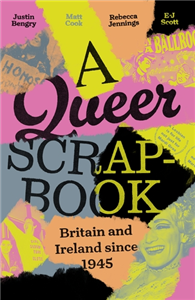
A beautifully illustrated compendium of LGBTIQ+ life. A queer scrapbook offers a treasure trove of LGBTIQ+ histories from across Britain and Ireland. Packed with materials, from interviews and newspaper articles to photographs and flyers, the book explores urban, rural and regional queer life since 1945. Commentaries and short essays introduce a changing queer landscape, spotlighting four broad themes: home and family, sex and socialising, arts and culture and politics and activism. The book delves into the meaning and experiences of domesticity and parenting and explores the sometimes unexpected places LGBTIQ+ people met to have fun. It examines the importance of creative work in forming community and identity and shows how people fought injustice and advocated for equal rights. Collecting has been a way for the marginalised to explore and assert identity and community. A queer scrapbook vividly illustrates the diversity of queer and trans lives across the British and Irish isles since the Second World War.
Trusted Partner
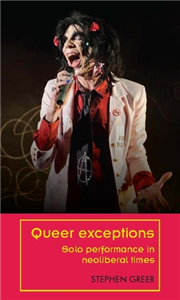
Queer exceptions is a study of contemporary solo performance in the UK and Western Europe that explores the contentious relationship between identity, individuality and neoliberalism. With diverse case studies featuring the work of La Ribot, David Hoyle, Oreet Ashery, Bridget Christie, Tanja Ostojic, Adrian Howells and Nassim Soleimanpour, the book examines the role of singular or 'exceptional' subjects in constructing and challenging assumed notions of communal sociability and togetherness, while drawing fresh insight from the fields of sociology, gender studies and political philosophy to reconsider theatre's attachment to singular lives and experiences. Framed by a detailed exploration of arts festivals as encapsulating the material, entrepreneurial circumstances of contemporary performance-making, this is the first major critical study of solo work since the millennium.
Trusted Partner
Trusted Partner

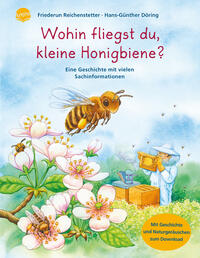
Today everyone’s talking about honeybees. Because they are endangered, because we need them, because we want to protect them. This lovingly narrated picture book story will help pre-schoolers to understand why bees are so important to us. How is bee society organised? Why do bees collect nectar? How is honey made? Knowledge is important to help ensure we have an early receptiveness to environmental questions.
Trusted Partner


Seit drei Jahrzehnten untersuchen Queer Studies die Macht geschlechtlicher und sexueller Normen – und wie diese infrage gestellt werden. Sie erforschen die komplexen Zusammenhänge von Sexualität, Geschlecht, Rassismus, Klasse und Nation. Dieser Band versammelt erstmals klassische und neuere Schlüsseltexte der anglophonen Queer Studies in deutscher Sprache, von Judith Butler und Eve Kosofsky Sedgwick bis Jack Halberstam, Cathy Cohen und José Esteban Muñoz. Er führt in die wichtigsten theoretischen Positionen ein, macht mit den zentralen Entwicklungslinien des Diskurses vertraut und präsentiert wegweisende queere Analysen zu Kapitalismus, Migration, Geopolitik, Behinderung, Aktivismus, Kultur und Subkultur.
Trusted Partner

Seit drei Jahrzehnten untersuchen Queer Studies die Macht geschlechtlicher und sexueller Normen – und wie diese infrage gestellt werden. Sie erforschen die komplexen Zusammenhänge von Sexualität, Geschlecht, Rassismus, Klasse und Nation. Dieser Band versammelt klassische und neuere Schlüsseltexte der anglophonen Queer Studies in deutscher Sprache, von Judith Butler und Eve Kosofsky Sedgwick bis Cathy Cohen und José Esteban Muñoz. Er führt in die wichtigsten theoretischen Positionen ein, macht mit den zentralen Entwicklungslinien des Diskurses vertraut und präsentiert wegweisende queere Analysen zu Kapitalismus, Migration, Geopolitik, Behinderung, Aktivismus, Kultur und Subkultur.
Trusted Partner
Trusted Partner

Jacques Martineau, Olivier Ducastel, Alain Guiraudie, Sébastien Lifshitz and Céline Sciamma. The films of these five major French directors exemplify queer cinema in the twenty-first century. Comprehensive in scope, Queer cinema in contemporary France traces the development of the meaning of queer across these directors' careers, from their earliest, often unknown films to their later, major films with wide international release. Whether having sex on the beach or kissing in the high school swimming pool, these cinematic characters create or embody forward-looking, open-ended and optimistic forms of queerness and modes of living, loving and desiring. Whether they are white, beur or black, whether they are lesbian, gay, trans* or queer, they open up hetero- and cisnormativity to new ways of being a gendered subject.
Trusted Partner
 Trusted Partner

When a travel adventure becomes a journey to yourself! For all readers who long to follow the wide world’s call to freedom. Especially for all the WOODWALKERS fans who have grown up. An unforgettable experience is waiting for Lily: she is off to work on a farm in Namibia where they work to protect endangered cheetahs. The German vet’s daughter will help care for injured big cats, raise orphaned young animals and assist with field research in the bush. A dream comes true for her! Lily’s trip goes well until she falls in love with Eric, the son of a neighbouring farmer. His strange family and their secrets plunge her life into chaos. Katja Brandis, whose WOODWALKERS series regularly conquers the bestseller lists by storm, is back with an environmental novel about the protection of cheetahs in Namibia. Authentic, sympathetic and completely devoid of kitsch sunset pathos.
Trusted Partner
Horizontal together tells the story of 1960s art and queer culture in New York through the overlapping circles of Andy Warhol, underground filmmaker Jack Smith and experimental dance star Fred Herko. Taking a pioneering approach to this intersecting cultural milieu, the book uses a unique methodology that draws on queer theory, dance studies and the analysis of movement, deportment and gesture to look anew at familiar artists and artworks, but also to bring to light queer artistic figures' key cultural contributions to the 1960s New York art world. Illustrated with rarely published images and written in clear and fluid prose, Horizontal together will appeal to specialists and general readers interested in the study of modern and contemporary art, dance and queer history.
Trusted Partner

Can reading make us better citizens? In Crossing borders and queering citizenship, Feghali crafts a sophisticated theoretical framework to theorise how the act of reading can contribute to the queering of contemporary citizenship in North America. Providing sensitive and convincing readings of work by both popular and niche authors, including Gloria Anzaldúa, Dorothy Allison, Gregory Scofield, Guillermo Gómez-Peña, Erín Moure, Junot Díaz, and Yann Martel, this book is the first to not only read these authors together, but also to discuss how each powerfully resists the exclusionary work of state-sanctioned citizenship in the U.S. and Canada. This book convincingly draws connections between queer theory, citizenship studies, and border studies and sheds light on how these connections can reframe our understanding of American Studies.
Trusted Partner
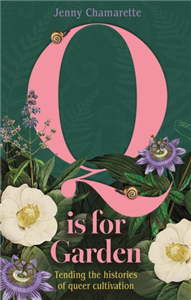
A bold, tender exploration of how queerness and nature entwine - and what happens when we step beyond the binaries that fence us in. There is a Q in garden, but you can't always see it. When Jenny Chamarette faced a devastating health crisis, they found themselves unmoored from the rules of gender, sexuality and productivity. In a small South London garden, Jenny began to imagine another way of living: porous, unruly, rooted in the lessons of soil and plant life. Gardens, like identities, are usually bounded - but what if those limits can be re-drawn? Blending memoir and cultural criticism, this book asks whether the categories we inherit - colonial, patriarchal, conventions of sexuality and gender - still serve us, or whether they confine us. From illness and recovery to queer love and ecological wonder, Q is for garden invites readers to reimagine how we inhabit land, culture and each other. An eloquent work of nature writing and queer thought, Q is for garden digs into the rich history of queer gardeners, botanists, artists and agriculturalists. It offers a hopeful vision of belonging, if we are curious enough to unearth it.
Trusted Partner
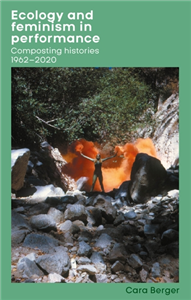
This book provides a vital new history of feminist performance through an ecological lens. It argues that from the 1960s to the present, artists have used performance to challenge the linked oppression of women and nature. Proposing 'composting' as a new method for writing feminist history, the study moves beyond linear narratives to trace regenerative connections between generations of practitioners. It provides sustained analysis of genres from land art to postdramatic theatre, re-evaluating the work of canonical figures while examining how contemporary artists continue to address these urgent themes. By placing ecofeminism in dialogue with feminist new materialism, queer ecology, and transecological thought, this study demonstrates how performance has been a crucial site for imagining more just and sustainable futures in an age of environmental crisis.
Trusted Partner


Man brings apocalyptic plagues to the world and his fellow primates – from global warming to the destruction of forests. While millions of monkeys and apes lived on Earth only a few decades ago, today many species are strongly endangered. In this book the anthropologist and monkey researcher Volker Sommer calls on us to finally protect the fundamental rights such as the right to life, freedom and physical integrity of the great apes. For all his seriousness, Sommer is also a great storyteller who deals with his own profession with humour, sympathy and in a highly instructive way.
Trusted Partner
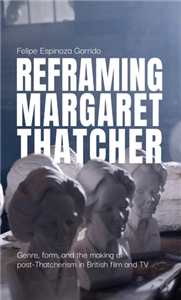
Against the backdrop of Britain's historically anti-Thatcherite films of the 1980s and 1990s, Reframing Margaret Thatcher outlines a decisive shift in the collective imagination of Thatcher. Drawing on genre, trauma, and queer studies, it demonstrates how post-Thatcherite films reflect upon their own entanglement in the polarization of the Thatcher years but also rewrite the clichéd Iron Lady. Chapters on The Iron Lady, This is England, Doomsday, 9 Dead Gay Guys, and the Sherlock TV series investigate various Thatcher imaginations, ranging from Thatcher as a lesbian mob boss, as prime minister in apocalyptic England, to Thatcher as an empty bust. This innovative study shows how the apparent depoliticization of British film makes visible new relations between genre, cinematic form, and imaginations of the past and offers fresh perspectives that both critique and reinterpret Thatcher's enduring impact.
Trusted Partner
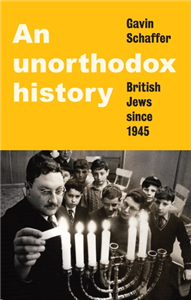
A bold, new history of British Jewish life since the Second World War. Historian Gavin Schaffer wrestles Jewish history away from the question of what others have thought about Jews, focusing instead on the experiences of Jewish people themselves. Exploring the complexities of inclusion and exclusion, he shines a light on groups that have been marginalised within Jewish history and culture, such as queer Jews, Jews married to non-Jews, Israel-critical Jews and even Messianic Jews, while offering a fresh look at Jewish activism, Jewish religiosity and Zionism. Weaving these stories together, Schaffer argues that there are good reasons to consider Jewish Britons as a unitary whole, even as debates rage about who is entitled to call themselves a Jew. Challenging the idea that British Jewish life is in terminal decline. An unorthodox history demonstrates that Jewish Britain is thriving and that Jewishness is deeply embedded in the country's history and culture.


