
Water Environment Federation
Water Environment Federation (WEF)publishes a variety of technical publications, including newsletters,manuals of practice and other books, magazines, and journals.
View Rights Portal
Water Environment Federation (WEF)publishes a variety of technical publications, including newsletters,manuals of practice and other books, magazines, and journals.
View Rights Portal

Universities have a key role to play in contributing to environmental development and combating climate change. The chapters within this volume detail the challenges faced by higher education institutions in considering environmental sustainability, and provide both a broad view of university engagement and a detailed examination of various projects. As part of this series in association with the Place and Social Capital and Learning (PASCAL) International Observatory, the three key PASCAL themes of place management, lifelong learning and the development of social capital are considered throughout the book. While universities have historically generated knowledge outside of specific local contexts, this book argues that it is particularly important for them to engage with the local community and to consider diverse perspectives and assets when looking at issues within an ecological context. The chapters in this volume provide new perspectives and frames of reference for transforming universities by engaging in the development of resilient communities.
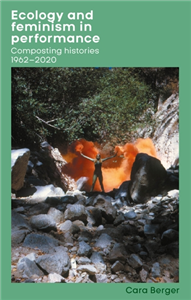
This book provides a vital new history of feminist performance through an ecological lens. It argues that from the 1960s to the present, artists have used performance to challenge the linked oppression of women and nature. Proposing 'composting' as a new method for writing feminist history, the study moves beyond linear narratives to trace regenerative connections between generations of practitioners. It provides sustained analysis of genres from land art to postdramatic theatre, re-evaluating the work of canonical figures while examining how contemporary artists continue to address these urgent themes. By placing ecofeminism in dialogue with feminist new materialism, queer ecology, and transecological thought, this study demonstrates how performance has been a crucial site for imagining more just and sustainable futures in an age of environmental crisis.
 Trusted Partner

Universities have a key role to play in contributing to environmental development and combating climate change. The chapters within this volume detail the challenges faced by higher education institutions in considering environmental sustainability, and provide both a broad view of university engagement and a detailed examination of various projects. As part of this series in association with the Place and Social Capital and Learning (PASCAL) International Observatory, the three key PASCAL themes of place management, lifelong learning and the development of social capital are considered throughout the book. While universities have historically generated knowledge outside of specific local contexts, this book argues that it is particularly important for them to engage with the local community and to consider diverse perspectives and assets when looking at issues within an ecological context. The chapters in this volume provide new perspectives and frames of reference for transforming universities by engaging in the development of resilient communities. ;
Trusted Partner


Three quarters of the world’s population live in cities. One in eight people lives in a metropolitan area. Megacities swallow up land, energy and resources – and at the same time are particularly hard hit by the current climate crisis that they fuel. However, in the metropolises of the overcrowded world plenty of committed people have heard the warning signals and establish networks to use the potential of cities to reorganize the participative and social-ecological activity that is urgently needed. The contributions to this Yearbook for Ecology focus on the present and future of cities from wide-ranging viewpoints and highlight perspectives for their creative transformation towards liveable sustainability.
Trusted Partner

This book applies social and political theory to the field of environmental politics in Ireland. It offers both a substantive contribution to understanding environmental politics in this country and a test case of the application of theory within the field of environmental scholarship more generally. The essays are integrated by a concern for analysing the relationship between culture, discourse and action in this political field, hence the emphasis on the communicative turn. The book is innovative in offering a sustained application of social and political theory within environmental scholarship as well as in combining theoretical and empirical approaches to advancing environmental scholarship in a particular case. This synergy of theory and substantive analysis is a key feature of the book and offers an important contribution to the environmental literature in the social sciences. The authors apply key developments in the modern social sciences and offer compelling evidence of their value for clarifying the cultural foundations of political action and for its evaluation and critique. Academics in the social sciences and in philosophy, postgraduate and advanced undergraduate, both in Ireland and beyond, will find this book highly rewarding for its multi-faceted application of social and political theories and associated methodologies to the environmental field. ;
Trusted Partner
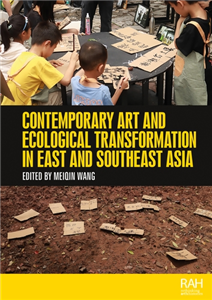
This anthology, presenting new research from fourteen scholars, delves into the interplay between contemporary art and ecological concerns in East and Southeast Asia. Focused on the concept of artistic remediation, the book unravels the diverse capacities of art to combat systemic anthropogenic destruction to the environment and ecology. At its core, the book articulates the ongoing ecological transformation in art and art history that embraces a paradigm shift in human-nature relationships, emphasizing interconnectedness of all life forms of the Earth. Bridging art studies, activism, and environmental studies, the book examines how artistic practices in the region have engaged with ecocritical reflection, biodiversity advocacy, sustainable practices, and environmental justice, among others. Providing a platform for critical and timely analysis of artistic interventions in the face of existential crises, the book acknowledges diverse voices of scholars who have situated their scholarship in the cultural and artistic specificities of various societies, locales, and communities in the region.
Trusted Partner

Environmental policy has become an increasingly important area of European Union (EU) policy-making and the source of political conflict between Britain and Germany. This book explains why national conflicts have arisen and how they are resolved at EU level by focusing on the Europeanisation of air and water pollution control in particular. Wurzel argues that Anglo-German divergences are best explained in terms of ecological vulnerability, economic cost and capacity, political salience and environmental regulatory styles. Focusing on two very important and media-exploitable issues - car emissions and bathing water regulation - this book challenges the conventional wisdom that Britain has shown a clear preference for environmental quality objectives while Germany championed uniform emission limits. Acceptance of the concept of ecological modernisation plays a vital role in the adoption of more progressive environmental standards. ;
Trusted Partner

This edited volume reframes the Caribbean as a paradigm of ecological resilience and creativity by bringing together the voices of contemporary artists and scholars who are at the forefront of environmental activism in the region and across its diasporas. While dominant narratives percolating from the environmental sciences to the mainstream press present the Caribbean as a frontier of planetary disaster, the contributors to this volume show how the region offers radical models for overcoming the environmental challenges of the present. At the heart of this argument lies the history of the Caribbean as a centre for grassroots forms of anti-colonial and anti-capitalist resistance founded upon nature-centred cosmologies and practices. Caribbean Eco-Aesthetics shows how contemporary artists are mobilising this radical heritage in a bid to unlock alternative planetary futures.
Trusted Partner

Environments of power provides unique case studies of environmental inclusion and exclusion across the Americas, Africa, Japan, India, and the South-Pacific. Using more-than-human and Indigenist approaches, chapters focus on Indigenous environmental resistance, marginalisation across social and physical environments, ecology as art, and how local communities are caught up in and resist development and infrastructure projects. The book demonstrates how environments influence which bodies and other matter belong (or not) in certain places.
Trusted Partner
 Trusted Partner


In "Know you again" kehrt Kian aus Sydney in seine Heimatstadt Bath zurück, getrieben von dem Wunsch, sein altes Leben hinter sich zu lassen und neu zu beginnen, insbesondere mit June, seiner Jugendliebe. Doch schnell wird ihm bewusst, dass die Schatten der Vergangenheit ihn einholen und eine Flucht unmöglich ist. Vor allem, weil er merkt, dass June, trotz ihrer tiefen Verbindung, ihre eigenen Geheimnisse hat und er sich ihr gegenüber nicht verschließen darf. Die Dynamik zwischen den beiden ist geprägt von Missverständnissen, dem Versuch, einander wieder wirklich zu verstehen, und der schmerzhaften Erkenntnis, dass Liebe allein nicht ausreicht, um die Wunden der Vergangenheit zu heilen. Der Roman taucht tief in die emotionalen Turbulenzen ein, die Kian und June durchleben, als sie versuchen, ihre Beziehung inmitten persönlicher Dämonen und externer Einflüsse neu zu definieren. Kian erkennt, dass seine Liebe zu June stärker ist als sein Bedürfnis nach Ruhm und Anerkennung, und dass wahre Zufriedenheit nur gefunden werden kann, wenn man sich seinen Ängsten stellt und echte Offenheit und Vertrauen in der Beziehung zulässt. "Know you again" ist eine Geschichte über den Mut, sich seinen dunkelsten Erinnerungen zu stellen, die Bedeutung von Vergebung und die unerschütterliche Kraft der Liebe, die selbst die tiefsten Gräben überbrücken kann. Emotionale Fortsetzung der Geschichte von Kian und June, erzählt aus Kians Perspektive, die tiefe Einblicke in seine Vergangenheit und die Herausforderungen bietet, denen er sich stellen muss, um seine Beziehung zu June zu bewahren. Die Dynamik zwischen den Charakteren offenbart eine authentische Auseinandersetzung mit der Vergangenheit, die Leser*innen auf eine Reise der Selbstfindung und der Wiederentdeckung alter Bande mitnimmt. Perfekt geeignet für Fans von New Adult-Romanen und romantischen Dramen. Kians Konflikt zwischen Liebe und Ruhm wird meisterhaft dargestellt, indem seine innere Zerrissenheit beleuchtet wird, was die Geschichte für Leser*innen, die sich für die komplexen Entscheidungen im Leben interessieren, umso faszinierender macht. Eine packende Reise nach Sydney bringt nicht nur Wendungen und Geheimnisse ans Licht, sondern auch dramatische Ereignisse, die die Beziehung zwischen June und Kian auf die Probe stellen. Emotionale Tiefe und Authentizität der Charaktere und ihrer Beziehungen fesseln Leser*innen von der ersten bis zur letzten Seite. Neue, überraschende Elemente, die die Handlung bereichern und gleichzeitig zum Nachdenken über wichtige Lebensfragen anregen, machen "Know You Again" zu einem Muss für Fans emotionaler Liebesgeschichten. Spannende Erkundung der Themen Selbstfindung und Überwindung von Lebenshürden, was dem Buch eine zusätzliche Ebene verleiht und es zu einer inspirierenden Lektüre für alle macht, die sich für Geschichten über persönliches Wachstum und die Kraft der Liebe interessieren.
Trusted Partner

In "Know Our Love", dem dritten Band der "Know us"-Reihe, wird die Geschichte um Ella, Simon und den geheimnisvollen Dilan entfaltet. Ella, ein geschätztes Mitglied ihrer eng verbundenen Freundesgruppe, stellt ihren neuen Freund Dilan vor, was unerwartete Gefühlsverwirrungen auslöst. Simon, der heimlich Gefühle für Ella hegt, spürt eine unerklärliche Anziehung zu Dilan. Diese sofortige, tiefgreifende Verbindung zu Dilan wirft bei Simon Fragen auf, zumal auch Dilan scheinbar mehr über Simon weiß, als es den Anschein hat. Die unerwartete Vertrautheit zwischen den beiden und Ellas Wahl führen zu einem Gefühlschaos, das Simon zwingt, seine eigenen Vorstellungen von Liebe und Beziehung zu hinterfragen. Als Simon schließlich Dilans Geheimnis aufdeckt, steht er vor einer Zerreißprobe, die ihn alles, was er über Liebe zu wissen glaubte, in Frage stellen lässt. Die Entdeckung wirft nicht nur seine Gefühle für Ella und Dilan durcheinander, sondern konfrontiert ihn auch mit tiefen Wahrheiten über sich selbst und die Natur der Liebe. Diese Dreiecksgeschichte, gewürzt mit Elementen der Selbstfindung, des Vertrauens und der Akzeptanz, verspricht eine emotionale Achterbahnfahrt. "Know Our Love" erkundet die Vielschichtigkeit menschlicher Beziehungen und die Bedeutung von echtem Vertrauen und tiefer Verbundenheit, was den Roman zu einem unvergesslichen Leseerlebnis innerhalb der beliebten "Know us"-Reihe macht. Beleuchtet intensiv die Herausforderungen und emotionalen Turbulenzen einer Dreiecksbeziehung, in der traditionelle Partnerschaftsgrenzen durchbrochen werden, und bietet tiefe Einblicke in die Polyamorie. Authentische Charakterentwicklung und vielschichtige Gefühlswelten der Protagonisten werden einfühlsam dargestellt, während sie ihre Beziehungen in einer Welt voller gesellschaftlicher Erwartungen navigieren. Durchgängig spannend mit einem unvorhersehbaren Finale, das die Leser*innen bis zur letzten Seite fesselt. Moderne Themen wie die Queerbewegung und Fridays for Future werden geschickt in die Handlung integriert, was dem Roman eine zusätzliche aktuelle Relevanz verleiht. Lebendige Nebencharaktere bereichern die Handlung mit ihrer Vielfalt und sorgen für zusätzliche Tiefe im Erzähluniversum. Feiert die Vielfalt der Liebe und bietet eine Plattform für eine offene Auseinandersetzung mit alternativen Beziehungsformen und der Akzeptanz verschiedener Lebensmodelle.
Trusted Partner

June ist aufgeregt und nervös zugleich: Kian, ihr bester Freund aus der Schulzeit, kehrt nach sieben Jahren aus Australien zurück und zieht zu ihr in die WG. Beide haben sich verändert – Kian ist nicht mehr der pummelige Junge von damals, sondern ein attraktiver Mann mit Muskeln und Tattoos, und June, die einst lebhaft und selbstbewusst war, ist nun schüchtern und zurückhaltend. Trotz der Zeit, die sie getrennt verbracht haben, und der Veränderungen, die sie durchgemacht haben, ist die Anziehung zwischen ihnen sofort spürbar. Doch es ist nicht einfach, dort weiterzumachen, wo sie aufgehört haben. Die Vergangenheit und ihre Geheimnisse werfen lange Schatten auf die Gegenwart, und June findet sich hin- und hergerissen zwischen ihren wachsenden Gefühlen für Kian und der Angst vor den Schatten, die ihre gemeinsame Vergangenheit auf ihre mögliche Zukunft wirft. Als Kian beginnt, sich in Junes Alltagsleben zu integrieren, flammen alte Gefühle wieder auf, und es entsteht eine zarte Romanze, die jedoch von Unsicherheiten und unausgesprochenen Wahrheiten belastet wird. Beide müssen lernen, mit ihren veränderten Selbstbildern umzugehen und herausfinden, ob ihre Beziehung stark genug ist, um die Geheimnisse der Vergangenheit zu überwinden. Ihre Reise ist geprägt von Momenten intensiver Nähe und Vertrautheit, aber auch von Missverständnissen und Konflikten, die aus dem mangelnden Mut resultieren, offen miteinander zu kommunizieren. June und Kian stehen vor der Herausforderung, nicht nur sich selbst und ihre Beziehung zueinander neu zu definieren, sondern auch zu entscheiden, wie viel sie bereit sind, für eine gemeinsame Zukunft zu riskieren. Fesselnde, emotionale Liebesgeschichte von June und Kian, die nach Jahren der Trennung wieder zueinanderfinden. Ihre neu entflammten Gefühle stellen sie vor große Herausforderungen und Entscheidungen. Erlebe, wie sich die Hauptcharaktere von ihrer Vergangenheit lösen und durch ihre Erlebnisse wachsen. June und Kian zeigen, dass wahre Liebe Mut zur Veränderung und Offenheit erfordert. Die Autorin Jette Menger entführt die Leser in eine Welt voller intensiver Gefühle, geheimer Wünsche und der Sehnsucht nach Verständnis und Akzeptanz. Spannendes Setting in der malerischen Stadt Bath bildet die perfekte Kulisse für diese berührende Geschichte, in der alte Freundschaften neu entdeckt und verborgene Geheimnisse aufgedeckt werden. Das ständige Hin und Her zwischen Annäherung und Rückzug hält die Spannung bis zum Schluss aufrecht und spiegelt die Komplexität menschlicher Beziehungen wider. Neben der Liebesgeschichte werden wichtige Themen wie Selbstfindung, Verarbeitung von Vergangenheitstraumata und die Bedeutung echter Freundschaft behandelt. Geschrieben aus zwei Perspektiven bietet die Geschichte einen tiefen Einblick in die Gedanken- und Gefühlswelt beider Protagonisten, was sie besonders authentisch und nachvollziehbar macht. Auftakt einer mitreißenden Reihe: "Know Us 1. Know me again" ist der Beginn einer Reihe, die Lust auf mehr macht und Leser*innen gespannt auf die Fortsetzungen warten lässt. Ideal geeignet für Leser*innen, die komplexe Charakterbeziehungen, emotionale Achterbahnfahrten und herzzerreißende Momente lieben.
Trusted Partner


Claudia Kittels "Know Your Rights!" richtet sich an Jugendliche ab 12 Jahren und zielt darauf ab, ihnen ihre Rechte gemäß der UN-Kinderrechtskonvention zu vermitteln. In einem klaren und zugänglichen Stil erläutert die Kinderrechtsexpertin und Erziehungswissenschaftlerin, wie wichtig es ist, die eigenen Rechte nicht nur zu kennen, sondern sie auch aktiv einzufordern und in Debatten zu vertreten. Das Buch erklärt, wie diese Rechte in der Praxis geschützt und umgesetzt werden sollen und bietet Jugendlichen Werkzeuge, um sich für ihre Rechte stark zu machen. Durch die Verbindung von theoretischem Wissen und praktischen Beispielen dient es als ein Empowerment-Tool, das Jugendliche dazu befähigt, informierte Teilnehmer*innen in gesellschaftlichen Diskussionen zu sein. Mit einem Vorwort der bekannten Klimaaktivistin Luisa Neubauer, die als das deutsche Gesicht der "Fridays for Future"-Bewegung gesehen wird. Wichtige Lebenskompetenzen: Lehrt Jugendliche, ihre Rechte zu kennen und zu verstehen, was eine grundlegende Fähigkeit für die aktive Teilnahme an der Gesellschaft ist. Empowerment junger Menschen: Motiviert junge Leser dazu, sich für ihre Rechte einzusetzen und aktive Verfechter ihrer Interessen zu werden. Praxisnahe Beispiele: Veranschaulicht, wie Rechte im Alltag angewendet und verteidigt werden können. Förderung des kritischen Denkens: Unterstützt Jugendliche dabei, kritisch über die Rolle der Rechte in ihrem Leben und der Gesellschaft nachzudenken. Klare und ansprechende Sprache: Geschrieben in einem Stil, der Jugendliche anspricht und leicht verständlich ist.
Trusted Partner
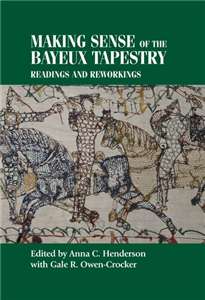
This book aims to make sense of the Bayeux Tapestry by bringing together answers to a number of questions which this famous hanging presents to the viewer. How did the embroiderers organise the stitching of the Bayeux Tapestry? Are its limited colours used with greater sophistication than viewers have recognised? What do we know of the Tapestry's supporting cast: naked figures in the margins and clerics present at events in the main register? Can we learn anything about the original purpose of the Tapestry from detailed examination of Bayeux Cathedral's 1476 Inventory, the first known reference to the Tapestry's existence? This book combines up-to-the-minute research with an introduction that draws on the contributors' personal observations in order to interrogate the Tapestry's enduring value. Bringing together contributions from leading specialists and newer voices in the field, it will be essential reading for students and scholars of the Bayeux Tapestry, medieval art and culture. ;
Trusted Partner

There are many things in life that we are (more or less) free to choose: our circle of friends, our workplace, our place of residence. However, we have to take some communities as they come: We cannot choose our family or our neighbours, for example. Why this does not only lead to the much-vaunted idyllic sense of belonging and what tensions forced social relationships can cause: This is the subject of this fascinating collection of essays by Bernd Imgrund. It sheds light on a piece of social history that we all know from our own experience: who hasn't had an argument with their immediate neighbour or made fun of the residents of the neighbouring district? But it is by no means only negative aspects that characterise neighbourly relations. Pride in one's neighbourhood, help within a village community: the many advantages of a social community, its importance and its representation in art and literature have also found their way into this book.
Trusted Partner
 Trusted Partner
 Trusted Partner
 Trusted Partner
This book will provide the first study of how the Gothic engages with ecocritical ideas. Ecocriticism has frequently explored images of environmental catastrophe, the wilderness, the idea of home, constructions of 'nature', and images of the post-apocalypse - images which are also central to a certain type of Gothic literature. By exploring the relationship between the ecocritical aspects of the Gothic and the Gothic elements of the ecocritical, this book provides a new way of looking at both the Gothic and ecocriticism. Writers discussed include Ann Radcliffe, Mary Shelley, Ambrose Bierce, Algernon Blackwood, Margaret Atwood, Cormac McCarthy, Dan Simmons and Rana Dasgupta. The volume thus explores writing and film across various national contexts including Britain, America and Canada, as well as giving due consideration to how such issues might be discussed within a global context.


