
Daniel Goleman - Foreign Audio
Please contact anaban@gmail.com for information
View Rights Portal

Smith-Obolensky Media is an international media boutique featuring the work by award-winning author Ivan Obolensky. His gothic mystery, Eye of the Moon, sold over ten thousand copies and the sequel is well underway for release next year. The Latin American Spanish literary translation has been accepted into the Librería Nacional chain, the largest in Colombia, for a thousand paperbacks to be sold in their stores (including those in three international airports). We are magicmakers. How many of us have changed from a simple line we once read, or a film we saw at a crossroads moment? The art of storytelling, in all its facets, is something we celebrate. In this spirit, we accept projects on a limited basis and focus on one author at a time, so we can fully present their works.
View Rights Portal
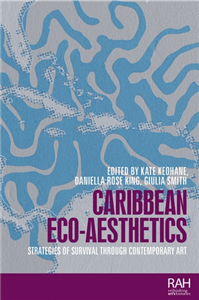
This edited volume reframes the Caribbean as a paradigm of ecological resilience and creativity by bringing together the voices of contemporary artists and scholars who are at the forefront of environmental activism in the region and across its diasporas. While dominant narratives percolating from the environmental sciences to the mainstream press present the Caribbean as a frontier of planetary disaster, the contributors to this volume show how the region offers radical models for overcoming the environmental challenges of the present. At the heart of this argument lies the history of the Caribbean as a centre for grassroots forms of anti-colonial and anti-capitalist resistance founded upon nature-centred cosmologies and practices. Caribbean Eco-Aesthetics shows how contemporary artists are mobilising this radical heritage in a bid to unlock alternative planetary futures.
The John Rylands Library houses one of the finest collections of rare books, manuscripts and archives in the world. The collections span five millennia, have a global reach and cover a wide range of subjects, including art and archaeology; economic, social, political, religious and military history; literature, drama and music; science and medicine; theology and philosophy; travel and exploration. For over a century, the Bulletin of the John Rylands Library has published research that complements the Library's special collections. An electronic edition of this issue is freely available under a Creative Commons (CC BY-NC-ND) licence.
 Trusted Partner

The second volume of this highly collectable series, covering the pivotal years of 1969-70. The Island Book of Records Volume II documents the years 1969-70, during which Island sought to build on its success with the Spencer Davis Group by seeking out new British rock talent. By the end of the period, Island was emerging as a major British label, one that could boast releases from Jethro Tull, Nick Drake, King Crimson, John and Beverley Martyn, Fairport Convention and Cat Stevens. Featuring material from recent interviews and from media interviews of the time, and including a comprehensive discography of 45s, The Island Book of Records Volume II is lavishly illustrated with gig adverts (very many at venues that no longer exist), concert tickets, flyers, international LP variants, labels, LP and 45 adverts and other ephemera collector's dream.
Trusted Partner

The irresistible story of a one-man cultural phenomenon. Minister for the Counterculture, Mancunian mainstay and alternative national treasure John Robb has lived a life in music. In this book he charts his adventures on the cultural frontline, chronicling the making of a DIY icon. Robb's quest began in his hometown of Blackpool - where punk was a battle against the odds - and went international when he toured the world with his band. The first person to interview Nirvana, he also discovered The Stone Roses for weekly newspaper Sounds and did early interviews with The Jesus and Mary Chain and The Manics, before moving on to legends such as Mark E. Smith, Nick Cave and Patti Smith. Along the way, he became an on-screen commentator and author of bestselling books. Robb's memoir tells of deep friendships with figures from Poly Styrene to Chris Packham. Packed with riotous stories, it provides an alternative account of British musical and cultural history and a triumphant blueprint for a punk rock life.
Trusted Partner

Zadie Smith's fiction reimagines subjectivity, relationality, and the conditions of contemporary life. This book offers a timely reassessment of her work, addressing identity, urban experience, and the category of the human. Moving beyond postcolonial and multiculturalist readings, it brings psychoanalytic, historical, symptomatic, and cultural materialist perspectives to bear across her novels, stories, essays, and plays. The collection explores how Smith's characters, shaped by diverse backgrounds and settings, challenge fixed ideas of Britishness and personhood. It argues that her writing opens up a new ontological space-defined by fluid identities, shifting subjectivities, and evolving forms of relationality. By reconsidering both the human and the spatial in Smith's work, the book makes a valuable contribution to contemporary literary criticism and to current thinking on narrative, identity, and urban life.
Trusted Partner
How has French society been made, by whom and why? And how in turn has it influenced the French? This book sets out the institutionalized rules and norms that continue to structure France, together with the 'political work' that has recently changed or reproduced these power relations. Exploring a range of age groups and types of social activity, including work, business, entertainment, political mobilizations and retirement, Made in France examines where significant change has occurred over the last four decades. Smith argues that while transformation has occurred in France's financial and education sectors, only relatively marginal shifts have occurred elsewhere in French society. To explain this pattern of continuity and isolated change, the book strongly nuances claims that neo-liberalism, globalization or a rise in populism have been its causes. References to these trends have impacted upon French politics to varying extents, Smith argues; however, France continues to be dominated by issues which are specific to the country and linked to its deep societal structures and history. Smith provides a comprehensive account of French society and politics and in doing so proposes an insightful analytical framework applicable to the comparative analysis of other nations.
Trusted Partner

The John Rylands Library houses one of the finest collections of rare books, manuscripts and archives in the world. The collections span five millennia, have a global reach and cover a wide range of subjects, including art and archaeology; economic, social, political, religious and military history; literature, drama and music; science and medicine; theology and philosophy; travel and exploration. For over a century, the Bulletin of the John Rylands Library has published research that complements the Library's special collections.
Trusted Partner
Trusted Partner


Die Rechte zur Nutzung der Gedichte von Rose Ausländer vergeben wir – mit wenigen Ausnahmen – nur über die Bände der „Gesammelten Werke“. Bitte recherchieren Sie, in welchem Band sich das gewünschte Gedicht befindet, bevor Sie eine Anfrage stellen. Bitte nutzen Sie hierzu das Gesamtverzeichnis (siehe PDF unter „Supporting Information“) und stellen Sie Ihre Anfrage dann über den entsprechenden Band. Vielen Dank! | Band 1: „Die Erde war ein atlasweißes Feld. Gedichte 1927-1956“ | Band 2: „Die Sichel mäht die Zeit zu Heu. Gedichte 1957-1965“ | Band 3: „Hügel aus Äther unwiderruflich. Gedichte und Prosa 1966-1975“ | Band 4: „Im Aschenregen die Spur Deines Namens. Gedichte und Prosa 1976“ | Band 5: „Ich höre das Herz des Oleanders. Gedichte 1977-1979“. | Band 6: „Wieder ein Tag aus Glut und Wind. Gedichte 1980-1982“ | Band 7: „Und preise die kühlende Liebe der Luft. Gedichte 1983-1987“ | Band 8: „Jeden Tropfen ein Tag. Gedichte aus dem Nachlaß“
Trusted Partner
Die Rechte zur Nutzung der Gedichte von Rose Ausländer vergeben wir – mit wenigen Ausnahmen – nur über die Bände der „Gesammelten Werke“. Bitte recherchieren Sie, in welchem Band sich das gewünschte Gedicht befindet, bevor Sie eine Anfrage stellen. Bitte nutzen Sie hierzu das Gesamtverzeichnis (siehe PDF unter „Supporting Information“) und stellen Sie Ihre Anfrage dann über den entsprechenden Band. Vielen Dank! | Band 1: „Die Erde war ein atlasweißes Feld. Gedichte 1927-1956“ | Band 2: „Die Sichel mäht die Zeit zu Heu. Gedichte 1957-1965“ | Band 3: „Hügel aus Äther unwiderruflich. Gedichte und Prosa 1966-1975“ | Band 4: „Im Aschenregen die Spur Deines Namens. Gedichte und Prosa 1976“ | Band 5: „Ich höre das Herz des Oleanders. Gedichte 1977-1979“. | Band 6: „Wieder ein Tag aus Glut und Wind. Gedichte 1980-1982“ | Band 7: „Und preise die kühlende Liebe der Luft. Gedichte 1983-1987“ | Band 8: „Jeden Tropen ein tag. Gedichte aus dem Nachlaß“
Trusted Partner
Die Rechte zur Nutzung der Gedichte von Rose Ausländer vergeben wir – mit wenigen Ausnahmen – nur über die Bände der „Gesammelten Werke“. Bitte recherchieren Sie, in welchem Band sich das gewünschte Gedicht befindet, bevor Sie eine Anfrage stellen. Bitte nutzen Sie hierzu das Gesamtverzeichnis (siehe PDF unter „Supporting Information“) und stellen Sie Ihre Anfrage dann über den entsprechenden Band. Vielen Dank! | Band 1: „Die Erde war ein atlasweißes Feld. Gedichte 1927-1956“ | Band 2: „Die Sichel mäht die Zeit zu Heu. Gedichte 1957-1965“ | Band 3: „Hügel aus Äther unwiderruflich. Gedichte und Prosa 1966-1975“ | Band 4: „Im Aschenregen die Spur Deines Namens. Gedichte und Prosa 1976“ | Band 5: „Ich höre das Herz des Oleanders. Gedichte 1977-1979“. | Band 6: „Wieder ein Tag aus Glut und Wind. Gedichte 1980-1982“ | Band 7: „Und preise die kühlende Liebe der Luft. Gedichte 1983-1987“ | Band 8: „Jeden Tropen ein tag. Gedichte aus dem Nachlaß“
Trusted Partner
Die Rechte zur Nutzung der Gedichte von Rose Ausländer vergeben wir – mit wenigen Ausnahmen – nur über die Bände der „Gesammelten Werke“. Bitte recherchieren Sie, in welchem Band sich das gewünschte Gedicht befindet, bevor Sie eine Anfrage stellen. Bitte nutzen Sie hierzu das Gesamtverzeichnis (siehe PDF unter „Supporting Information“) und stellen Sie Ihre Anfrage dann über den entsprechenden Band. Vielen Dank! | Band 1: „Die Erde war ein atlasweißes Feld. Gedichte 1927-1956“ | Band 2: „Die Sichel mäht die Zeit zu Heu. Gedichte 1957-1965“ | Band 3: „Hügel aus Äther unwiderruflich. Gedichte und Prosa 1966-1975“ | Band 4: „Im Aschenregen die Spur Deines Namens. Gedichte und Prosa 1976“ | Band 5: „Ich höre das Herz des Oleanders. Gedichte 1977-1979“. | Band 6: „Wieder ein Tag aus Glut und Wind. Gedichte 1980-1982“ | Band 7: „Und preise die kühlende Liebe der Luft. Gedichte 1983-1987“ | Band 8: „Jeden Tropen ein tag. Gedichte aus dem Nachlaß“
Trusted Partner
Die Rechte zur Nutzung der Gedichte von Rose Ausländer vergeben wir – mit wenigen Ausnahmen – nur über die Bände der „Gesammelten Werke“. Bitte recherchieren Sie, in welchem Band sich das gewünschte Gedicht befindet, bevor Sie eine Anfrage stellen. Bitte nutzen Sie hierzu das Gesamtverzeichnis (siehe PDF unter „Supporting Information“) und stellen Sie Ihre Anfrage dann über den entsprechenden Band. Vielen Dank! | Band 1: „Die Erde war ein atlasweißes Feld. Gedichte 1927-1956“ | Band 2: „Die Sichel mäht die Zeit zu Heu. Gedichte 1957-1965“ | Band 3: „Hügel aus Äther unwiderruflich. Gedichte und Prosa 1966-1975“ | Band 4: „Im Aschenregen die Spur Deines Namens. Gedichte und Prosa 1976“ | Band 5: „Ich höre das Herz des Oleanders. Gedichte 1977-1979“. | Band 6: „Wieder ein Tag aus Glut und Wind. Gedichte 1980-1982“ | Band 7: „Und preise die kühlende Liebe der Luft. Gedichte 1983-1987“ | Band 8: „Jeden Tropen ein tag. Gedichte aus dem Nachlaß“
Trusted Partner
Die Rechte zur Nutzung der Gedichte von Rose Ausländer vergeben wir – mit wenigen Ausnahmen – nur über die Bände der „Gesammelten Werke“. Bitte recherchieren Sie, in welchem Band sich das gewünschte Gedicht befindet, bevor Sie eine Anfrage stellen. Bitte nutzen Sie hierzu das Gesamtverzeichnis (siehe PDF unter „Supporting Information“) und stellen Sie Ihre Anfrage dann über den entsprechenden Band. Vielen Dank! | Band 1: „Die Erde war ein atlasweißes Feld. Gedichte 1927-1956“ | Band 2: „Die Sichel mäht die Zeit zu Heu. Gedichte 1957-1965“ | Band 3: „Hügel aus Äther unwiderruflich. Gedichte und Prosa 1966-1975“ | Band 4: „Im Aschenregen die Spur Deines Namens. Gedichte und Prosa 1976“ | Band 5: „Ich höre das Herz des Oleanders. Gedichte 1977-1979“. | Band 6: „Wieder ein Tag aus Glut und Wind. Gedichte 1980-1982“ | Band 7: „Und preise die kühlende Liebe der Luft. Gedichte 1983-1987“ | Band 8: „Jeden Tropen ein tag. Gedichte aus dem Nachlaß“
Trusted Partner
For nearly half a century Anne Lake Prescott has been a force and an inspiration in Renaissance studies. A force, because of her unique blend of learning and wit and an inspiration through her tireless encouragement of younger scholars and students. Her passion has always been the invisible bridge across the Channel: the complex of relations, literary and political, between Britain and France. The essays in this long-awaited collection range from Edmund Spenser to John Donne, from Clément Marot to Pierre de Ronsard. Prescott has a particular fondness for King David, who appears several times; and the reader will encounter chessmen, bishops, male lesbian voices and Roman whores. Always Prescott's immense erudition is accompanied by a sly and gentle wit that invites readers to share her amusement. Reading her is a joyful education.
Trusted Partner
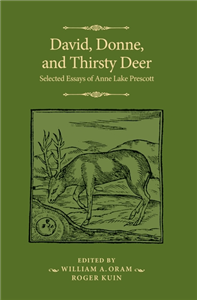
For nearly half a century Anne Lake Prescott has been a force and an inspiration in Renaissance studies. A force, because of her unique blend of learning and wit and an inspiration through her tireless encouragement of younger scholars and students. Her passion has always been the invisible bridge across the Channel: the complex of relations, literary and political, between Britain and France. The essays in this long-awaited collection range from Edmund Spenser to John Donne, from Clément Marot to Pierre de Ronsard. Prescott has a particular fondness for King David, who appears several times; and the reader will encounter chessmen, bishops, male lesbian voices and Roman whores. Always Prescott's immense erudition is accompanied by a sly and gentle wit that invites readers to share her amusement. Reading her is a joyful education.
Trusted Partner
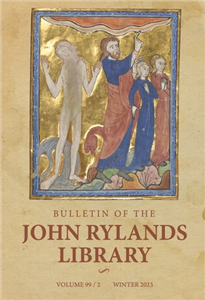
The John Rylands Library houses one of the finest collections of rare books, manuscripts and archives in the world. The collections span five millennia and cover a wide range of subjects, including art and archaeology; economic, social, political, religious and military history; literature, drama and music; science and medicine; theology and philosophy; travel and exploration. For over a century, the Bulletin of the John Rylands Library has published research that complements the Library's special collections. The editors invite the submission of articles in these fields and welcome discussion of in-progress projects.
Trusted Partner
The John Rylands Library houses one of the finest collections of rare books, manuscripts and archives in the world. The collections span five millennia, have a global reach and cover a wide range of subjects, including art and archaeology; economic, social, political, religious and military history; literature, drama and music; science and medicine; theology and philosophy; travel and exploration. For over a century, the Bulletin of the John Rylands Library has published research that complements the Library's special collections. An electronic edition of this issue is freely available under a Creative Commons (CC BY-NC-ND) licence.
Trusted Partner
Trusted Partner

A thoughtful exploration of the work of this unique comedian and writer. Caroline Aherne was one of the most influential and beloved of British comedians. In this book David Scott explores Aherne's comedic artistry and creative legacy, focusing on her iconic characters and ground-breaking TV shows. Scott dives into Aherne's most beloved creations, from the sharp-tongued Mrs Merton to the quietly revolutionary The Royle Family. Drawing on the tales of collaborators and telling behind-the-scenes stories, he provides an intimate glimpse into the creative processes that brought these iconic works to life. At the same time, he examines the social and cultural influences that shaped Aherne's work, from the rich traditions of Northern working-class humour to the experiences of Irish migrants. Aherne's work is celebrated for its sharp wit, warmth and ability to find comedy in adversity. This book offers an exploration and celebration of one of comedy's most inventive minds, revealing how she reshaped the British comedy landscape.



